


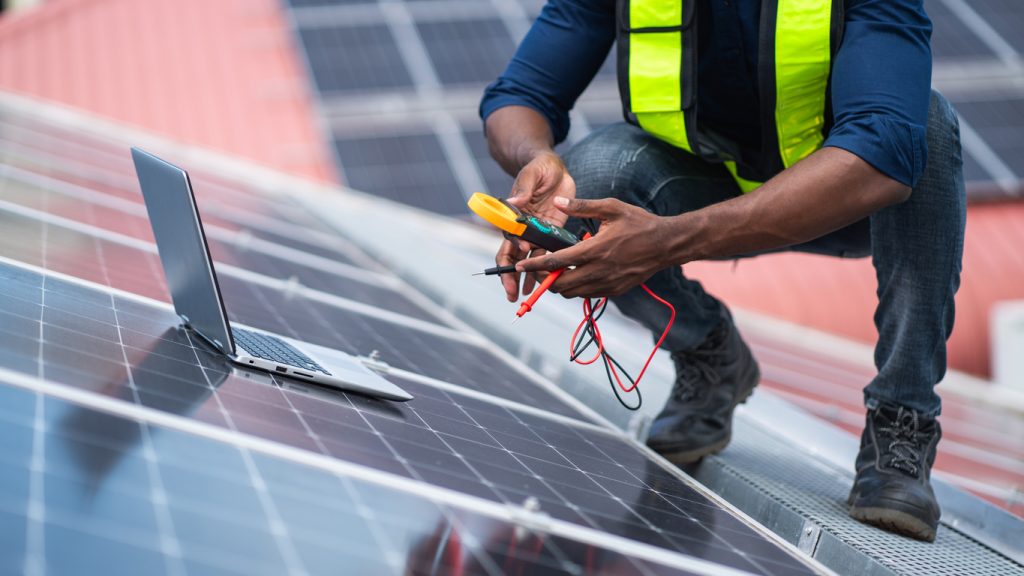
For many Nigerian businesses, electricity is no longer just a utility expense. It is a major operating cost that affects production, staffing, delivery schedules, refrigeration, customer service and ultimately profit.
Businesses that depend heavily on diesel generators feel this pressure most. Fuel purchases, generator servicing, oil changes, repairs and unexpected breakdowns can quietly consume a significant part of monthly operating expenses.
One practical way to reduce operational cost with solar in Nigeria is to shift part of the daily electricity demand away from generators and the grid. Solar does not necessarily mean removing generators completely. For many businesses, the sensible approach is using solar for predictable daytime loads while keeping a generator or grid supply as backup.
Start With the Equipment Using the Most Power
A business should not buy solar panels simply because diesel is expensive. The first step is understanding where electricity is being consumed.
A small office in Ikeja may mainly need power for laptops, routers, lighting, fans and air conditioners. A supermarket in Lekki may have freezers, refrigerators, POS terminals and lighting operating for long hours. Warehouses and workshops could have even heavier requirements.
Before choosing a system, businesses should identify:
- Daily electricity consumption
- Equipment that must remain powered continuously
- Peak operating periods
- Generator running hours
- Monthly diesel spending
- Equipment that can operate mainly during daylight hours
This makes it easier to size the solar panels, inverter and battery storage correctly rather than paying for equipment the business does not need.
Where Solar Starts Cutting Everyday Business Expenses
Consider a business running a generator for eight to twelve hours during periods of poor grid supply.
Its electricity expense is not limited to diesel. There may also be costs for transporting fuel, servicing the generator, replacing components and dealing with downtime whenever the generator develops a fault.
A properly sized commercial solar system can carry routine loads during the day. Offices may run computers, internet equipment, lights and selected air conditioners without keeping a generator running continuously.
For businesses with daytime operations, this is particularly useful because solar production usually overlaps with working hours.
The immediate goal is not necessarily becoming completely independent of the grid. It is reducing generator hours and making electricity expenses more predictable.
Moving Solar Equipment Across Nigeria Needs Planning
Installing commercial solar systems also creates a logistics requirement that businesses sometimes underestimate.
Panels are large and fragile. Batteries are heavy. Inverters and mounting equipment must often move from distributors or warehouses in Lagos to installation sites elsewhere.
A company installing solar equipment at branches in Abuja, Ibadan, Benin City or Port Harcourt may therefore need coordinated cargo movement rather than ordinary parcel delivery.
Travo.ng can support businesses with transport coordination, cargo logistics and delivery arrangements for solar equipment moving between suppliers, warehouses and installation locations.
Proper coordination matters because damaged panels or delayed batteries can leave installers waiting on-site and extend the project unnecessarily.
Businesses With Several Locations Can Save More Through Planning
The economics become particularly interesting for businesses operating several branches.
A restaurant chain, pharmacy group, retail business or office network may be running separate generators at every location. That creates repeated expenses for fuel procurement, servicing and repairs.
Rather than converting every location at once, businesses can begin with branches where generator usage is highest.
For example, a company with locations in Lagos, Abuja and Port Harcourt could first review the branch with the highest monthly energy cost. After monitoring the savings and system performance, the same model can be adjusted for other locations.
This staged approach reduces the risk of investing heavily before understanding actual energy requirements.
Do Not Choose Solar Based Only on the Cheapest Quote
One common mistake Nigerian businesses make is comparing solar proposals only by price.
A cheaper system may contain insufficient battery capacity or an undersized inverter. Once heavy equipment is switched on, the business may still depend heavily on its generator.
Ask installers to clearly explain expected daily production, battery capacity, equipment warranty, maintenance requirements and which appliances the system can realistically support.
Good solar planning should reduce operational uncertainty, not introduce another unreliable power source.
For companies expanding solar installations across multiple Nigerian locations, Travo.ng can also coordinate the movement of panels, batteries, inverters and supporting equipment to installation sites.
Reducing power costs in Nigeria rarely comes from one dramatic change. It comes from understanding consumption, reducing unnecessary generator hours, installing properly sized solar systems and coordinating the equipment and logistics efficiently.
For businesses dealing with persistent electricity and diesel expenses, that combination can turn solar from an expensive infrastructure project into a practical long-term operating strategy.
