


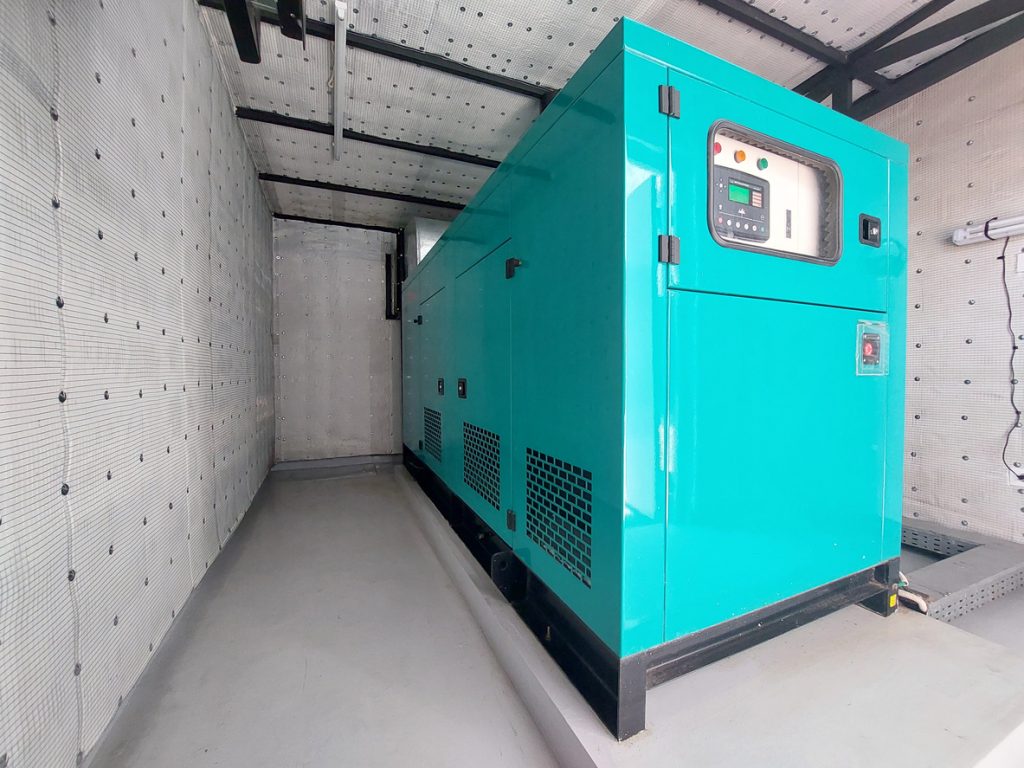
The cost of running diesel generator in Lagos has become a serious operating expense for homes, offices, hotels, shops, warehouses, and other businesses that cannot afford prolonged power interruptions.
Unlike buying a generator, where the major expense happens once, running one creates a continuous cost. Diesel, servicing, engine oil, filters, repairs and even transporting fuel to your premises can add up quickly.
For anyone budgeting for backup power in Lagos, looking only at the generator’s purchase price gives an incomplete picture.
What Diesel Currently Adds to Your Generator Budget
Diesel prices can change quickly. In August 2026, retail diesel in Lagos was reported at roughly ₦1,700 to ₦1,790 per litre, following changes in refinery and wholesale prices.
That means consumption matters enormously.
Suppose a medium-sized generator consumes 5 litres every hour. At ₦1,750 per litre, one hour of operation costs approximately:
5 litres × ₦1,750 = ₦8,750
Running it for six hours would cost about ₦52,500 in diesel alone.
If this happens every working day for 26 days, monthly fuel spending could reach approximately ₦1.36 million.
The actual figure depends on generator capacity, load and operating condition, but this simple calculation shows why Lagos businesses need to track generator hours carefully.
Generator Size Changes the Cost Dramatically
A small diesel generator powering basic office equipment will consume far less than a large unit running air conditioners, cold rooms, industrial machines or an entire commercial building.
For example, depending on load and equipment condition:
- A smaller generator may use roughly 2–4 litres per hour.
- A medium commercial generator may consume 5–10 litres or more.
- Larger industrial generators can consume considerably more each hour.
A generator should also not be judged only by its advertised capacity. Two similar generators can record different fuel consumption when one is overloaded, poorly maintained or operating inefficiently.
The Expenses People Forget When Calculating Generator Costs
Diesel is usually the biggest expense, but it is not the only one.
You also need to budget for routine servicing, lubricants, replacement filters, batteries and unexpected repairs.
Fuel delivery is another practical consideration. A business in Lekki, Ikeja or Victoria Island buying significant quantities cannot always rely on somebody carrying containers from a nearby filling station.
Safe procurement, transportation and storage become part of the operating process, particularly for hotels, warehouses, estates and businesses using generators daily.
How Lagos Businesses Can Reduce Diesel Spending
The first step is measuring actual consumption rather than estimating it.
Record:
- Litres purchased.
- Generator operating hours.
- Average load.
- Servicing dates.
- Monthly diesel expenditure.
If consumption suddenly rises without an increase in operating hours, the generator may need inspection.
Businesses can also reduce runtime by combining grid electricity with solar, inverter systems or battery storage where practical. Even removing two or three generator hours from a daily schedule can produce meaningful monthly savings.
Planning Fuel Supply Without Disrupting Operations
Running out of diesel during business hours can be more expensive than the fuel itself.
A restaurant may lose refrigerated stock. An office may experience downtime. A warehouse or production facility may have to suspend operations while emergency fuel is sourced.
This is where proper procurement and logistics planning become important.
Travo.ng can support businesses with fuel supply and distribution coordination, procurement support and business logistics arrangements across Lagos. Rather than waiting until a generator tank is almost empty, companies can plan replenishment according to expected consumption and operating schedules.
Work Out Your Real Monthly Generator Cost
To estimate the cost of running diesel generator in Lagos, use this simple formula:
Hourly fuel consumption × diesel price × daily operating hours × operating days per month.
Then add servicing, repairs, lubricants and fuel logistics.
For example, consuming 6 litres hourly for five hours daily means 30 litres every day. At ₦1,750 per litre, that is about ₦52,500 daily before maintenance expenses.
Once these numbers are visible, it becomes easier to decide whether to continue relying heavily on diesel, reduce generator hours, introduce alternative energy or improve fuel procurement.
For Lagos homes and businesses where backup power remains essential, disciplined consumption tracking and reliable supply planning can prevent generator expenses from quietly becoming one of the largest monthly operating costs.
