


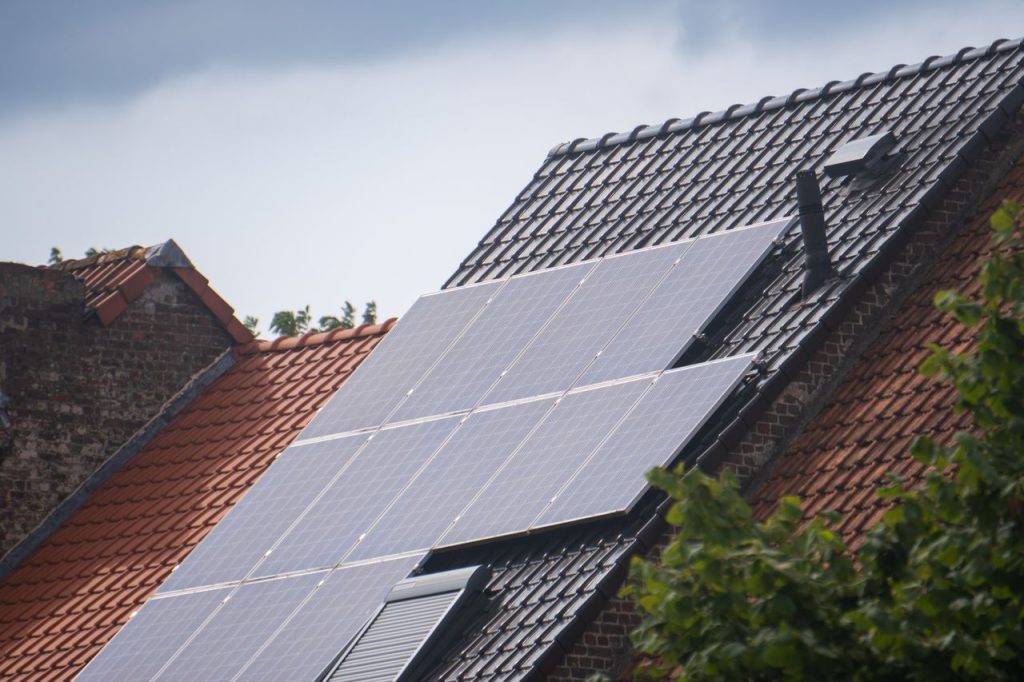
Finding a top solar leasing company in Nigeria is becoming a practical option for homes and businesses that want dependable electricity without paying the full cost of a solar system at once.
For many Nigerians, the biggest challenge with solar is not whether it works. The real issue is the initial investment required for panels, batteries, inverters, installation and protection equipment. A well-structured solar lease spreads this financial burden over time while allowing the customer to start using the system immediately.
This arrangement can be particularly useful for shops, offices, restaurants, estates, schools, warehouses and other businesses where generator expenses already take a significant portion of monthly operating costs.
What Solar Leasing Actually Means for a Nigerian Customer
Solar leasing is different from simply buying panels on instalment.
Depending on the provider, a customer may pay a monthly fee for an installed system, use a lease-to-own arrangement, or pay according to electricity consumption. Some agreements eventually transfer ownership of the equipment to the customer, while others remain service contracts.
Before accepting an offer, confirm exactly what happens at the end of the agreement.
Ask whether the monthly payment includes:
- Solar panels and inverter
- Battery storage
- Installation
- Routine maintenance
- Fault repairs
- Battery replacement
- Monitoring equipment
- Insurance or equipment protection
A seemingly cheap monthly package can become expensive if major maintenance costs remain the customer’s responsibility.
Your Electricity Load Should Be Checked Before Pricing
A serious solar provider should not quote a system simply because you say you need “solar for my shop.”
A supermarket in Lekki running freezers throughout the day has different requirements from a fashion store in Surulere using lights, fans, laptops and a television.
The provider should identify appliances, wattage, operating hours and peak loads.
For example, running air conditioners, pumping machines, industrial freezers or heavy office equipment requires considerably more capacity than powering lights, televisions and laptops.
Getting this calculation wrong usually creates one of two problems: you lease an oversized system and pay unnecessarily, or you receive an undersized system that cannot handle your daily operations.
Compare the Total Lease Cost Not Just Monthly Payments
When searching for the top solar leasing company in Nigeria, avoid choosing based only on an attractive monthly figure.
Request the complete payment schedule.
If a company advertises a manageable monthly payment, find out the deposit, contract length, maintenance charges and total amount payable before ownership transfers.
Nigeria’s solar-financing market already includes several structures, including spread payments, pay-as-you-go arrangements, energy-as-a-service and lease-to-own models. Nigeria’s Rural Electrification Agency has also highlighted energy-as-a-service and long-term lease-to-own approaches as ways of reducing upfront costs for productive electricity users.
Generator Savings Should Be Part of Your Calculation
Businesses should compare proposed solar payments with their existing electricity spending.
Consider what you currently spend monthly on:
- Petrol or diesel
- Generator servicing
- Engine oil and replacement parts
- Grid electricity
- Generator repairs
- Transporting fuel
A solar lease does not automatically mean every generator can disappear immediately. Some businesses retain generators as backup, particularly where their load exceeds the installed solar capacity.
The objective should be reducing expensive generator runtime while maintaining reliable operations.
Check Maintenance Support Before Signing
Solar equipment can remain operational for years, but batteries, inverters, breakers and other components still require proper technical support.
Ask where the company’s technicians are located and how quickly faults are handled in your area.
A business in Lagos, Abuja or Port Harcourt should understand whether technical assistance is available locally rather than discovering after installation that every repair requires a technician to travel from another state.
Moving Solar Equipment Also Requires Proper Logistics
Panels, batteries and inverters need careful transportation. Solar panels can crack during poorly handled deliveries, while heavy batteries require suitable loading and vehicle arrangements.
Travo.ng can support businesses with relevant cargo logistics, delivery and transport coordination when solar equipment needs to be moved between suppliers, installation sites, offices or project locations.
Choosing a top solar leasing company in Nigeria should ultimately come down to correct system sizing, transparent payments, dependable equipment and responsive maintenance—not simply the lowest advertised monthly price.
