


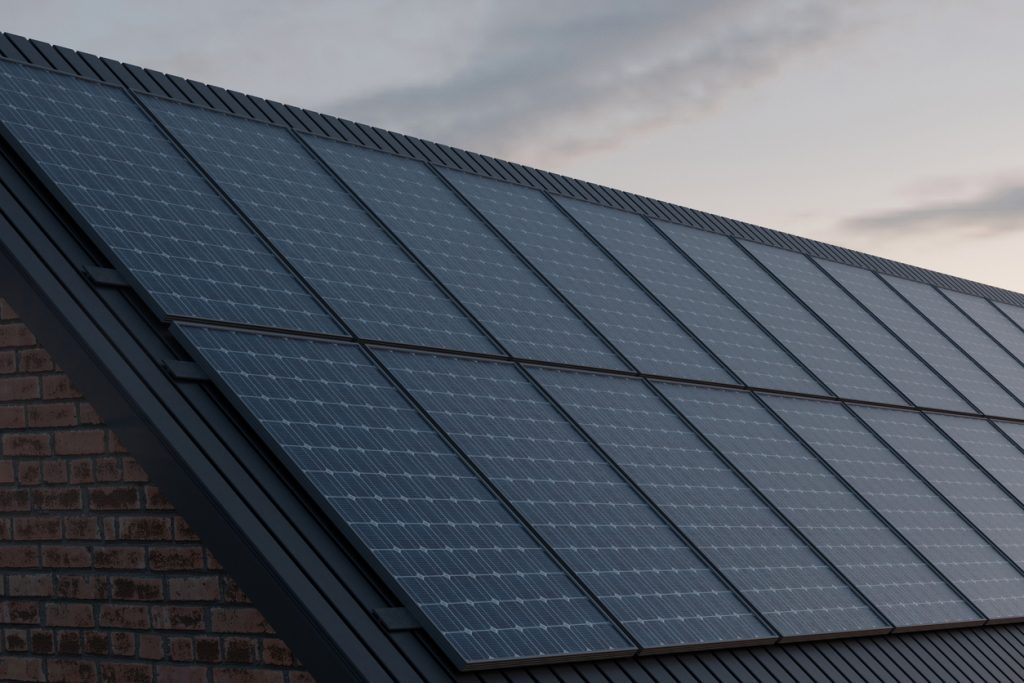
Distributed solar energy in Nigeria is becoming a practical option for households and businesses that need more dependable electricity without relying entirely on the national grid or diesel generators.
Unlike a large power plant that sends electricity across long transmission lines, distributed solar systems generate power close to where it is used. A home in Lekki, a pharmacy in Abuja, a warehouse in Ikeja, or a small factory in Ogun State can install its own solar panels, batteries, inverters, and related equipment.
For many Nigerian users, however, buying solar equipment is only part of the job. Panels, batteries, mounting frames, inverters, cables, and installation materials still need to reach the project site safely and on schedule.
That is where proper logistics planning becomes important.
How Distributed Solar Systems Work in Nigerian Properties
A typical distributed solar setup may include rooftop or ground-mounted panels, an inverter, battery storage, protection devices, and electrical accessories.
The exact configuration depends on what the customer wants to power. A small household looking to run lights, fans, televisions, and a refrigerator will require a different system from a supermarket operating freezers, air conditioners, CCTV cameras, computers, and payment terminals.
Before equipment is moved, buyers should confirm:
- Solar panel quantity and dimensions
- Battery type and weight
- Inverter capacity
- Installation address and accessibility
- Whether lifting or additional handling is required
- Delivery date agreed with the installer
This avoids situations where expensive equipment arrives before the installation team or cannot be properly stored at the site.
Moving Solar Panels and Batteries Requires Careful Handling
Solar equipment should not be transported like ordinary cartons.
Panels can crack when poorly stacked or subjected to heavy impact. Batteries are also heavy and require stable loading, particularly when multiple units are being moved for a commercial installation.
For a solar project moving from a Lagos distributor to a customer in Abuja, for example, the logistics team may need to coordinate collection, protective loading, interstate transport, unloading, and final delivery to the installation location.
Travo.ng can support these movements through cargo logistics, delivery coordination, vehicle hire, and business logistics services depending on the size of the project.
For smaller installations within Lagos, same-day or scheduled delivery may be possible when equipment is already available locally and collection is arranged early enough.
Lagos Traffic Can Affect Solar Installation Schedules
One common mistake is treating equipment delivery and installation as separate activities.
An installer scheduled for 10 a.m. in Ajah may lose several productive hours if panels are still stuck in traffic coming from Ikeja or another warehouse location.
For projects in Lekki, Victoria Island, Surulere, Ikeja, or mainland industrial areas, collection times should account for morning and evening congestion.
Where several vehicles or bulky components are involved, booking transport ahead can also reduce delays.
Travo.ng can help coordinate the movement so that installers, vehicles, and equipment arrive within a practical working window rather than leaving technicians waiting unnecessarily.
Distributed Solar Is Also Becoming a Business Logistics Issue
Commercial adoption of solar changes the logistics requirement significantly.
A small office may need only a few panels and batteries. A hotel, school, estate, warehouse, clinic, or manufacturing business may require dozens of panels alongside heavy battery banks and mounting equipment.
Multi-location businesses create another challenge. A company installing systems at branches in Lagos, Ibadan, Abuja, and Port Harcourt needs proper dispatch planning, inventory control, and interstate delivery coordination.
Combining deliveries intelligently can reduce repeated transport costs and make installation schedules easier to manage.
Plan the Entire Solar Movement Before Equipment Leaves the Warehouse
Anyone arranging distributed solar energy in Nigeria should think beyond purchasing the equipment.
Confirm where the items are coming from, how they will be transported, who will receive them, whether secure storage is available, and when installation will begin.
Travo.ng provides practical logistics support for solar equipment movement, including local delivery, interstate cargo coordination, suitable vehicle arrangements, and business logistics support.
With the transport side properly planned, homeowners, installers, solar companies, and businesses can focus on getting their systems installed and producing power instead of dealing with avoidable delivery problems.
