


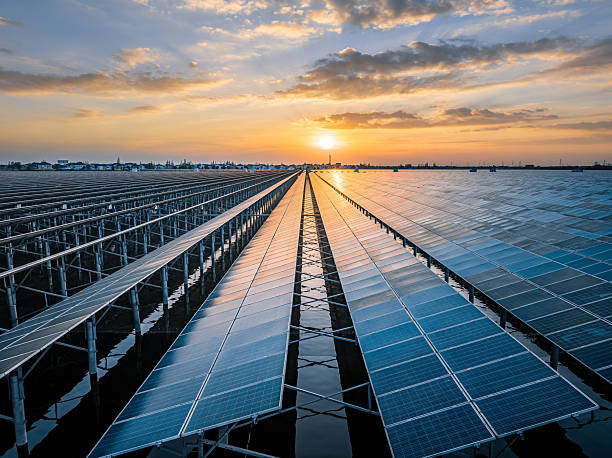
Industrial solar leasing in Nigeria is becoming a practical option for factories, warehouses, processing plants, logistics hubs, and other businesses that need dependable electricity without tying up large amounts of capital in a solar installation.
For many Nigerian businesses, the electricity problem is not simply about having power. It is about controlling operating costs. A facility may receive some electricity from the grid but still depend heavily on diesel generators during outages. Once generator fuel, servicing, oil changes, repairs, and downtime are added together, energy can become one of the largest recurring expenses.
With a solar leasing arrangement, businesses can access a properly sized solar system while spreading the cost over an agreed period instead of paying the full installation cost immediately.
How Industrial Solar Leasing Works in Nigeria
A commercial or industrial solar lease normally begins with an assessment of the facility’s electricity consumption.
The energy provider needs to understand:
- Daily and monthly power consumption
- Peak operating load
- Working hours
- Existing generator capacity
- Grid availability
- Roof or ground space for panels
- Machinery that requires continuous power
- Whether battery storage is required
A cold room in Lagos, for example, has a different electricity profile from a manufacturing workshop in Ogun State. Likewise, a warehouse operating mainly during daylight hours may require a different system from a production plant running overnight shifts.
This assessment helps prevent one common mistake: installing solar capacity based on guesswork rather than actual business consumption.
Leasing Can Reduce the Pressure of Large Upfront Investment
Industrial solar systems can involve significant capital because businesses may need hundreds of panels, industrial inverters, mounting structures, batteries, protection equipment, monitoring systems, and electrical upgrades.
Buying everything outright can compete with other priorities such as purchasing machinery, importing stock, expanding a warehouse, or maintaining working capital.
Industrial solar leasing in Nigeria allows businesses to spread energy expenditure over time while beginning to reduce generator dependence earlier.
The exact arrangement depends on the provider. Some agreements involve fixed monthly lease payments, while others may structure payments around energy usage, system capacity, contract duration, maintenance responsibilities, and equipment ownership at the end of the agreement.
Businesses should understand these terms clearly before signing.
Where Industrial Solar Makes the Most Operational Sense
Solar leasing can be particularly useful for facilities with heavy daytime electricity demand.
Typical examples include:
- Manufacturing plants
- Warehouses and distribution centres
- Hotels
- Shopping complexes
- Agricultural processing facilities
- Cold storage operations
- Corporate offices
- Logistics terminals
- Schools and private institutions
A distribution warehouse operating from 7 a.m. to 6 p.m., for instance, can consume a significant portion of its electricity while solar generation is strongest.
A factory with night production may require additional battery capacity or a hybrid arrangement involving solar, batteries, the grid, and generators.
The right solution should therefore be designed around operations rather than simply covering every available rooftop with panels.
What Businesses Should Check Before Signing a Solar Lease
Businesses should look beyond the monthly payment.
Ask who handles maintenance, inverter faults, damaged panels, battery replacement, system monitoring, insurance, and technical support.
It is also important to understand performance expectations.
If a proposed system is expected to reduce generator use, the provider should explain how that estimate was calculated based on the facility’s actual load profile.
Companies with multiple sites should also determine whether systems can be monitored centrally. This can be valuable for businesses operating warehouses, branches, hotels, retail locations, or production facilities across Lagos, Abuja, Port Harcourt, Ogun, and other commercial centres.
Planning the Logistics Behind an Industrial Solar Project
Large solar installations involve more than electrical engineering.
Panels, batteries, inverters, mounting equipment, cables, and other components must often be transported from ports, warehouses, or suppliers to the installation site.
For businesses coordinating industrial solar leasing in Nigeria, Travo.ng can support the logistics surrounding these projects through cargo movement, transport coordination, vehicle hire, procurement support, and business logistics services.
For example, equipment arriving through Lagos may need coordinated movement to an industrial facility in Ikeja, Lekki, Agbara, Sagamu, Ibadan, or another location. Proper scheduling becomes especially important when heavy or sensitive equipment must arrive alongside installation teams.
Moving From Generator Dependence to Predictable Energy Costs
Industrial solar leasing will not eliminate every power challenge for every Nigerian business. The strongest installations usually combine realistic energy assessments, appropriate system sizing, reliable equipment, maintenance planning, and sensible backup arrangements.
For businesses spending heavily on diesel but unwilling to commit substantial capital to an outright solar purchase, leasing provides another route.
Travo.ng can help businesses coordinate the practical logistics required to move solar equipment, batteries, installation materials, and related industrial supplies to project locations across Nigeria. With better energy planning and organised logistics, companies can move toward more predictable operations without disrupting the activities that keep their businesses running.
