


Running a borehole in Lagos can become expensive when the water pump depends mainly on grid electricity or a generator. In many homes, estates, schools, hotels, and commercial properties, the borehole itself works perfectly, but unreliable power makes water supply unpredictable.
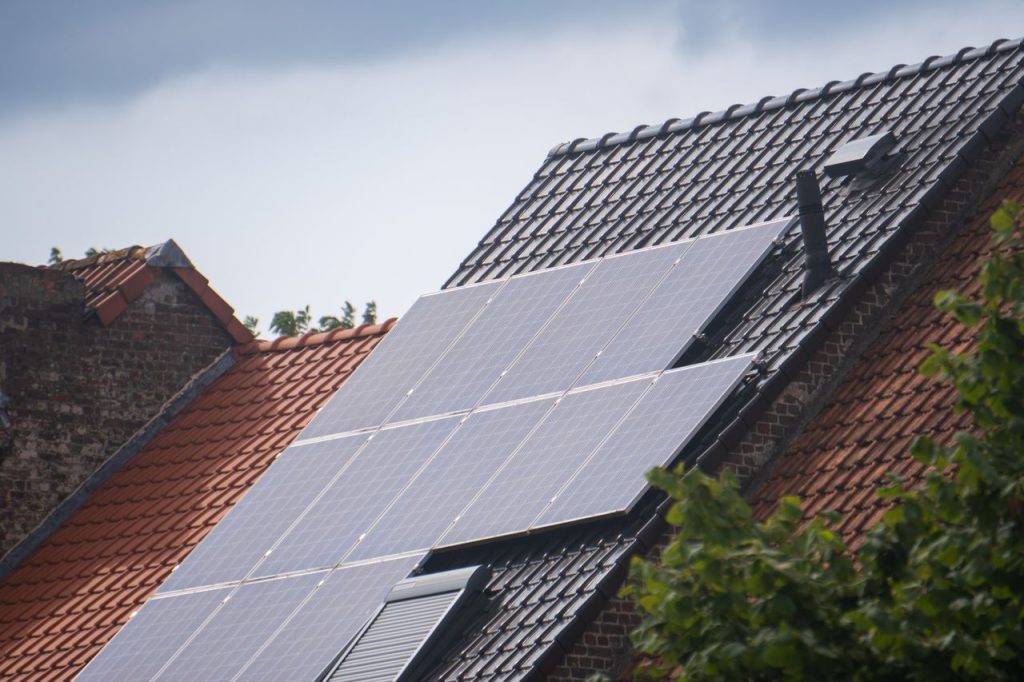
This is why more property owners are considering solar for borehole systems in Lagos. A properly planned solar setup can power a borehole pump during daylight hours, reduce generator use, and make water pumping easier to schedule.
The important part is getting the system size right. Borehole pumps are heavy electrical loads compared with lighting, televisions, or small appliances, so a basic household solar setup may not be enough.
Check the Borehole Pump Before Choosing Solar
The first thing to confirm is the pump specification.
A technician will usually need to know the pump’s horsepower or kilowatt rating, whether it is single-phase or three-phase, the borehole depth, pumping head, and how many hours the pump normally operates.
For example, a family compound in Surulere that pumps into an overhead tank for one or two hours daily will have different requirements from an estate in Lekki supplying several flats throughout the day.
This assessment prevents one of the most common mistakes people make: buying solar panels and an inverter before confirming what the borehole motor actually requires.
Direct Solar Pumping Can Be More Practical Than Large Batteries
Not every borehole solar installation needs a huge battery bank.
Where there is sufficient water storage, the system can be designed to pump more water during strong daylight hours and store the water in an overhead or ground-level tank. The stored water then serves the property later.
This approach can reduce the amount of battery storage required.
For many Lagos properties, storing water is cheaper and simpler than storing enough electricity to operate a powerful borehole pump throughout the night.
Battery backup may still be useful where water demand is unpredictable or pumping must continue after sunset.
Lagos Properties Need Space and Load Planning
Solar performance depends partly on available roof or ground space.
A detached house in Ajah may have enough roof area for multiple panels, while a commercial building in Ikeja could already have air-conditioning equipment, water tanks, or telecommunications installations occupying much of the roof.
Shading also matters. Nearby buildings, trees, tanks, and other structures can reduce panel output during certain parts of the day.
Before installing solar for borehole systems in Lagos, the available space should therefore be assessed alongside the electrical load.
Generator Savings Can Become Significant
Borehole pumping is one of those activities that can quietly increase diesel or petrol consumption.
Some properties start a generator mainly because water needs to be pumped. That means fuel is being burned to power not only the borehole but also the generator’s other operating losses.
Moving daytime pumping to solar can reduce these unnecessary generator hours.
This is especially useful for:
- Residential estates with shared boreholes
- Hotels and short-let apartments
- Schools and religious centres
- Restaurants and event facilities
- Warehouses and commercial properties
- Homes with frequent power outages
The exact savings will depend on pump size, operating hours and the existing power arrangement.
Avoid Undersizing the Inverter and Solar Array
A borehole pump can draw considerably more power when starting than during normal operation.
That starting demand is important when selecting an inverter or solar pump controller. An undersized system may trip repeatedly, struggle to start the pump, or place unnecessary stress on electrical components.
Professional sizing should account for both normal running power and startup requirements.
Cable size, protection devices, earthing, pump condition, control panels and changeover arrangements should also be checked rather than treating the installation as simply adding panels to a roof.
Arrange Solar Support Through Travo.ng
Travo.ng helps customers coordinate practical energy solutions, transport, logistics and other operational services across Lagos and Nigeria.
If you are considering solar for borehole systems in Lagos, the process should begin with understanding your existing pump, daily water demand and current power arrangement. From there, an appropriate solar configuration can be planned instead of purchasing equipment blindly.
For homes, estates and businesses trying to reduce generator dependence, solar-powered borehole pumping can provide a more predictable way to maintain water supply while controlling long-term energy costs.
