


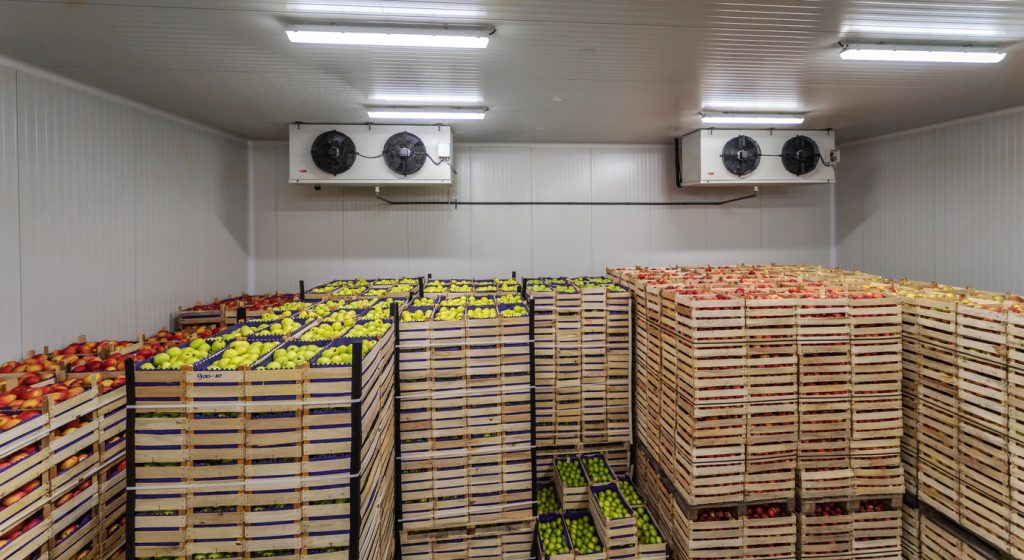
Running a cold room in Lagos is not simply about buying refrigeration equipment. The bigger challenge is keeping that equipment powered consistently enough to protect food, drinks, pharmaceuticals, frozen products, and other temperature-sensitive goods.
For businesses searching for Solar for cold storage Lagos, the main goal is usually straightforward: reduce dependence on generators without risking stock worth hundreds of thousands or even millions of naira.
Solar-supported cold storage can provide a more predictable energy arrangement, particularly for supermarkets, frozen-food sellers, restaurants, farms, hotels, warehouses, and distributors that cannot afford long periods without cooling.
Travo.ng can support businesses with the logistics and coordination required to move solar equipment, batteries, refrigeration components, and related supplies to locations across Lagos.
What Your Cold Room Actually Needs From Solar
Cold storage consumes considerably more electricity than lighting a shop or powering office laptops. Compressors cycle throughout the day, while fans, controllers, pumps, and other equipment may also require continuous electricity.
This means a solar system should not be selected simply because someone says a certain number of panels can “power a cold room.”
A proper assessment should consider:
- Cold-room compressor capacity
- Daily operating hours
- Desired storage temperature
- Quantity of products stored
- Battery backup requirement
- Existing generator or grid supply
- Available roof or ground space for panels
- Starting power required by the refrigeration equipment
A small frozen-food shop in Surulere will have very different requirements from a commercial cold warehouse serving restaurants around Lekki and Victoria Island.
How Lagos Power Interruptions Affect Cold Storage
Cold-storage operators face a problem ordinary businesses do not have: electricity interruptions can quickly become inventory losses.
Frozen chicken, seafood, dairy products, vegetables, beverages, and pharmaceutical products all have temperature requirements. Repeated warming and cooling can affect product quality even before complete spoilage occurs.
Many Lagos operators therefore combine several sources of electricity. A practical arrangement may include solar during productive daylight hours, battery storage for selected loads and a generator or grid connection as additional backup.
The objective is not necessarily to remove every other power source immediately. It is to reduce generator hours while keeping refrigeration dependable.
Generator Costs Can Make Solar More Attractive
A cold-room business running a generator for several hours every day has more expenses than fuel alone.
There is engine servicing, oil changes, repairs, replacement parts and the operational inconvenience of sourcing fuel. Noise and exhaust can also become serious concerns where cold rooms operate near residential buildings, markets or restaurants.
Solar requires higher initial investment, particularly when substantial battery storage is included, but operating expenses can become easier to predict afterward.
For businesses evaluating solar-powered cold storage in Lagos, it is better to compare total operating costs over several years instead of comparing only the initial installation price.
Moving Solar and Cold-Room Equipment Around Lagos
Installation also involves logistics.
Solar panels need careful handling because improper stacking or rough transport can damage them. Batteries can be extremely heavy, while refrigeration compressors, mounting structures and control equipment require suitable vehicles.
Moving equipment from suppliers around Ikeja to a cold-storage facility in Lekki, for example, must account for vehicle capacity, loading arrangements and Lagos traffic.
Travo.ng can coordinate vehicle hire, cargo movement and business logistics support for equipment deliveries. This is especially useful when several suppliers are providing different components for the same installation.
Plan Installation Without Interrupting Your Cold Chain
Businesses should avoid switching off refrigeration for long periods simply because electrical work is taking place.
Before installation begins, determine how existing stock will remain chilled.
Businesses handling larger volumes may temporarily redistribute products between cold rooms or arrange alternative refrigerated storage. Installation teams should also schedule major electrical connections during periods when business activity is lower.
For restaurants, supermarkets and food distributors, even a few poorly planned hours can create unnecessary losses.
Getting Solar for Cold Storage Lagos Businesses Can Depend On
A reliable cold-storage solar setup starts with understanding the refrigeration load before choosing panels, inverters or batteries.
Businesses should work with qualified solar and refrigeration professionals to calculate consumption, determine backup requirements and confirm that electrical equipment can handle compressor startup loads.
Once the equipment is ready to move, Travo.ng can help coordinate transportation, cargo delivery and vehicle arrangements across Lagos.
For cold-room operators trying to reduce generator dependence without compromising product quality, properly designed solar power can become an important part of a more stable and manageable cold-storage operation.
Plan solar cooling as part of the whole cold chain
Before choosing a system, use our cold storage business and financing guide to test demand and operating costs. The refrigeration equipment and maintenance guide explains supplier and service questions. For farm cooling, off-grid refrigeration and country-specific provider scope, see the Africa cold-chain logistics guide.
