


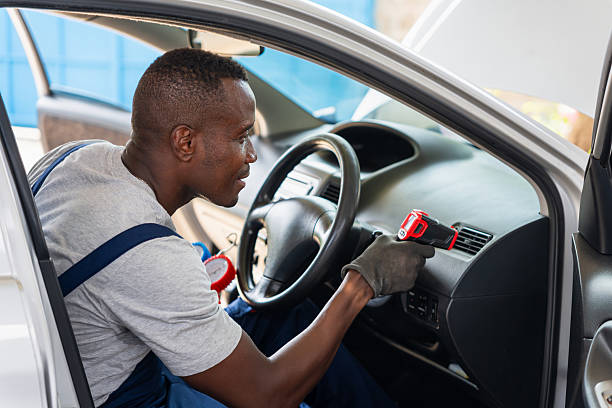
Transport equipment mechanic jobs in Nigeria are suitable for mechanics and technicians who specialise in maintaining vehicles and equipment used for transportation, logistics, construction and commercial operations.
These professionals may work on trucks, buses, trailers, tankers, delivery vehicles, forklifts, generators and other transport-related equipment. Their work helps businesses reduce breakdowns, control maintenance costs and keep their operations running efficiently.
What Does a Transport Equipment Mechanic Do?
A transport equipment mechanic inspects, services, diagnoses and repairs vehicles and equipment used in commercial operations.
Typical responsibilities include:
- Inspecting vehicles and equipment
- Diagnosing mechanical faults
- Servicing engines
- Repairing transmissions
- Maintaining brake systems
- Repairing suspension and steering
- Troubleshooting electrical faults
- Maintaining hydraulic systems
- Replacing worn components
- Performing preventive maintenance
- Responding to breakdowns
- Recording repairs and inspections
Transport Equipment Mechanic Jobs in Nigeria
Transport equipment mechanics can work with different types of commercial vehicles and machinery.
Common equipment includes:
- Trucks
- Trailers
- Buses
- Tankers
- Delivery vans
- Pickup trucks
- Forklifts
- Heavy-duty vehicles
- Transport-support equipment
- Diesel generators
The exact responsibilities depend on the employer and the type of fleet or equipment being maintained.
Transport Equipment Mechanic Jobs Lagos
Lagos provides opportunities for transport equipment mechanics because of its large logistics, haulage, manufacturing, construction and transportation sectors.
Potential employers include:
- Logistics companies
- Haulage companies
- Transport operators
- Construction companies
- Manufacturing businesses
- Equipment dealers
- Fleet-management companies
- Industrial companies
- Warehousing businesses
- Vehicle workshops
Mechanics with experience in both light commercial vehicles and heavy-duty equipment can apply for a wider range of positions.
Heavy-Duty Transport Mechanic
Heavy-duty transport mechanics specialise in larger vehicles and equipment.
Their work can involve:
- Diesel engines
- Heavy-duty transmissions
- Clutches
- Differentials
- Axles
- Air brakes
- Suspension systems
- Steering systems
- Hydraulics
- Electrical systems
Heavy-duty experience is particularly valuable to haulage, construction and logistics companies.
Diesel Transport Equipment Mechanic
Diesel expertise is an important skill for mechanics working with trucks, buses and heavy-duty equipment.
Training and experience may include:
- Diesel engine servicing
- Fuel-injection systems
- Injector diagnosis
- Turbochargers
- Cooling systems
- Lubrication
- Engine overhaul
- Electronic engine controls
- Diesel diagnostics
Technicians who understand both mechanical and electronic diesel systems can handle a broader range of faults.
Transport Equipment Diagnostics
Modern commercial vehicles use computerised systems to monitor engine and vehicle performance.
Mechanics should learn:
- Diagnostic scanners
- Fault-code interpretation
- ECU diagnostics
- Sensor testing
- Electrical troubleshooting
- Engine diagnostics
- Transmission diagnostics
- ABS diagnostics
Computerised diagnostics can help identify faults more efficiently and reduce unnecessary component replacement.
Preventive Maintenance
Preventive maintenance is essential for companies operating commercial fleets.
Routine maintenance can include:
- Oil and filter changes
- Brake inspections
- Tyre checks
- Battery testing
- Cooling-system checks
- Suspension inspections
- Lubrication
- Belt and hose inspection
- Transmission servicing
- Electrical-system checks
The purpose is to identify potential problems before they cause expensive breakdowns.
Transport Equipment Breakdown Repairs
Some mechanics also provide roadside or field-service support.
Responsibilities may include:
- Attending breakdown locations
- Identifying faults
- Carrying out emergency repairs
- Replacing damaged components
- Getting vehicles operational
- Arranging vehicle recovery
- Reporting major mechanical faults
Field-service experience can be valuable for technicians working with large fleets.
Qualifications for Transport Equipment Mechanic Jobs
Employers may accept candidates with different combinations of qualifications and practical experience.
Useful qualifications include:
- Trade Test certificates
- NABTEB technical qualifications
- National Skills Qualifications
- OND Mechanical Engineering
- HND Mechanical Engineering
- Automotive Technology qualifications
- Diesel technician training
- Heavy-equipment maintenance training
Practical workshop experience remains extremely important.
Skills Employers Look For
A strong transport equipment mechanic should have:
- Mechanical troubleshooting
- Diesel engine repair
- Transmission knowledge
- Brake-system maintenance
- Suspension repair
- Steering-system knowledge
- Automotive electrical skills
- Hydraulic-system knowledge
- Preventive maintenance
- Computerised diagnostics
- Fault diagnosis
- Workshop safety
- Maintenance documentation
Transport Equipment Mechanic Jobs for Beginners
People entering the profession can build their careers through:
Basic Automotive Training → Apprenticeship → Workshop Experience → Commercial Vehicle Experience → Diagnostics → Certification → Employment
Working under an experienced mechanic can provide valuable hands-on knowledge that complements formal training.
Experienced Mechanics Looking for Better Opportunities
Experienced mechanics can improve their prospects by developing specialist skills in:
- Heavy-duty diesel systems
- Truck diagnostics
- Automotive electronics
- Air-brake systems
- Heavy-duty transmissions
- Hydraulic systems
- Fleet maintenance
- Electronic engine management
Experience with several vehicle manufacturers can also make a technician more versatile.
Transport Equipment Mechanic Salary
Salary depends on several factors, including:
- Experience
- Location
- Employer
- Vehicle and equipment type
- Fleet size
- Qualifications
- Specialist skills
- Job responsibilities
Entry-level mechanics generally earn less than experienced heavy-duty technicians, lead technicians and workshop supervisors.
When evaluating a job offer, candidates should consider the complete package, including overtime, allowances, training and other benefits.
How to Find Transport Equipment Mechanic Jobs
Useful job-search titles include:
- Transport Equipment Mechanic
- Transport Mechanic
- Heavy-Duty Mechanic
- Heavy Vehicle Mechanic
- Truck Mechanic
- Fleet Mechanic
- Fleet Technician
- Diesel Mechanic
- Commercial Vehicle Technician
- Equipment Maintenance Technician
- Workshop Technician
- Heavy-Duty Technician
Searching several related titles can reveal more opportunities.
Industries Hiring Transport Equipment Mechanics
Potential employers include:
- Logistics companies
- Haulage companies
- Transport companies
- Construction companies
- Manufacturing companies
- Mining companies
- Agricultural businesses
- Oil and gas companies
- Equipment rental companies
- Vehicle dealerships
- Fleet-management businesses
How to Build a Strong CV
A transport equipment mechanic CV should clearly show your technical qualifications, practical experience and specialist skills.
Include:
Qualifications
- Trade Test
- Technical certificates
- Automotive training
- Mechanical qualifications
- Diagnostic training
Technical Skills
- Diesel engine repair
- Transmission repair
- Brake maintenance
- Electrical troubleshooting
- Hydraulic systems
- Preventive maintenance
- Computerised diagnostics
Practical Experience
Mention the vehicles and equipment you have worked on, such as trucks, buses, trailers, vans, tankers or heavy machinery.
Career Progression
A typical career path is:
Apprentice → Junior Mechanic → Transport Equipment Mechanic → Senior Technician → Lead Technician → Workshop Supervisor → Fleet Maintenance Manager
Technicians can also specialise in diesel engines, heavy trucks, diagnostics, electrical systems, hydraulics or fleet maintenance.
What Travo.ng Can Do
Travo.ng provides transportation, mobility and logistics solutions for individuals and businesses. Reliable vehicles and transport equipment are essential for efficient transportation and logistics operations.
Skilled mechanics help reduce breakdowns, minimise downtime and keep commercial transportation operations running reliably.
Why Choose Travo.ng?
Travo.ng focuses on practical transportation and logistics solutions designed around the needs of individuals and businesses.
Reliable transportation operations depend on properly maintained vehicles and competent technical personnel. Travo.ng understands the importance of dependable mobility and operational reliability.
Final Thoughts
Transport equipment mechanic jobs in Nigeria offer opportunities for technicians with practical skills in diesel engines, heavy-duty vehicles, diagnostics, transmissions, brakes, electrical systems and preventive maintenance.
Building hands-on experience alongside recognised technical qualifications can improve your chances of securing employment with transport, logistics, haulage and industrial companies.
For long-term career growth, specialising in heavy-duty diesel systems, diagnostics and fleet maintenance can open opportunities for senior technical and supervisory positions.
