


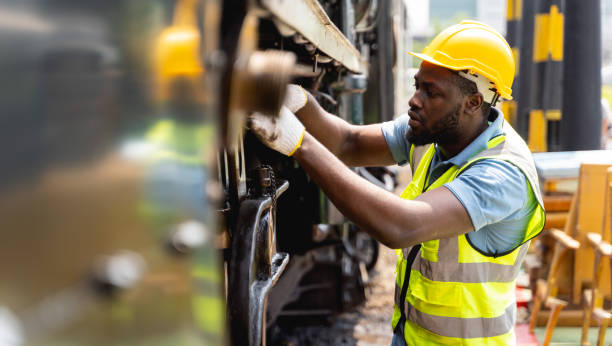
Warehouses depend on forklifts, reach stackers, pallet equipment, conveyors and other machinery to move goods efficiently. When this equipment develops a fault, operations can slow down quickly. This creates opportunities for skilled mechanics and technicians who can maintain and repair warehouse equipment.
Warehouse equipment mechanic jobs are suitable for mechanical technicians, heavy-duty mechanics, forklift technicians and maintenance professionals with experience in mechanical, hydraulic and electrical systems.
Recent Nigerian job listings include roles involving the maintenance and repair of forklifts and other material-handling equipment, including opportunities in Lagos.
What Does a Warehouse Equipment Mechanic Do?
A warehouse equipment mechanic is responsible for keeping material-handling machinery operational and safe.
Typical duties include:
- Inspecting warehouse equipment
- Servicing forklifts
- Diagnosing mechanical faults
- Repairing hydraulic systems
- Troubleshooting electrical faults
- Maintaining engines and transmissions
- Replacing worn components
- Performing preventive maintenance
- Testing equipment after repairs
- Maintaining maintenance records
- Responding to equipment breakdowns
Equipment can include forklifts, reach trucks, pallet equipment, reach stackers, container handlers and other warehouse machinery.
Forklift Maintenance Is a Major Area
Forklifts are among the most important pieces of equipment in many warehouses and distribution facilities.
A forklift technician may work on:
- Engines
- Hydraulic systems
- Mast assemblies
- Forks
- Brakes
- Steering systems
- Drive systems
- Batteries
- Electrical systems
- Transmission components
- Tyres and wheels
Recent Lagos-related equipment roles specifically mention maintenance and repair of forklifts and other material-handling equipment.
Hydraulic Skills Are Valuable
Many warehouse machines rely heavily on hydraulic systems.
A mechanic should understand components such as:
- Hydraulic pumps
- Hydraulic motors
- Cylinders
- Valves
- Hoses
- Hydraulic filters
- Pressure systems
Being able to identify hydraulic leaks, pressure problems and component failures can make you more competitive for equipment-maintenance positions.
Electrical and Diagnostic Skills
Modern warehouse equipment increasingly uses electronic controls.
Useful skills include:
- Electrical troubleshooting
- Battery testing
- Sensor diagnosis
- Wiring inspection
- Controller diagnostics
- Multimeter use
- Fault-code interpretation
- Electric forklift maintenance
Technicians who can work across mechanical, hydraulic and electrical systems can handle a wider range of equipment problems.
Preventive Maintenance
Warehouse equipment should be inspected and serviced regularly rather than waiting for a breakdown.
Preventive maintenance may include:
- Checking hydraulic fluid.
- Inspecting hoses and cylinders.
- Testing brakes.
- Checking tyres.
- Inspecting forks and mast components.
- Testing batteries.
- Checking engine oil and coolant.
- Inspecting electrical connections.
- Lubricating moving components.
- Testing safety systems.
Daily equipment inspections can also identify faults before they become major repairs.
Heavy Equipment Experience Can Help
Experience with heavy-duty machinery can make it easier to transition into warehouse equipment maintenance.
Relevant experience includes:
- Forklifts
- Reach stackers
- Container handlers
- Heavy trucks
- Construction equipment
- Industrial machinery
- Hydraulic equipment
A current Lagos mechanical field-technician listing, for example, requires experience repairing forklifts, reach stackers, empty container handlers, VNA trucks and other warehouse equipment.
What Qualifications Do Employers Look For?
Requirements vary depending on the equipment and employer.
Common qualifications include:
- Mechanical Engineering
- Mechanical Engineering Technician
- Automotive Technology
- Heavy Equipment Technology
- OND Mechanical Engineering
- HND Mechanical Engineering
- Technical Trade Test
- Vocational mechanical training
- Manufacturer equipment training
Practical experience is especially important because the job requires hands-on troubleshooting and repairs.
What Should You Put on Your CV?
Your CV should clearly show the equipment you can maintain.
Include:
- Years of experience
- Forklift experience
- Equipment brands handled
- Hydraulic-system experience
- Electrical troubleshooting
- Engine repairs
- Transmission experience
- Preventive maintenance
- Diagnostic tools used
- Breakdown-response experience
- Technical qualifications
- Relevant certifications
For example:
“Five years’ experience maintaining forklifts and material-handling equipment, including hydraulic, electrical, engine and transmission diagnostics and preventive maintenance.”
Related Job Titles to Search
Don’t search only for “warehouse equipment mechanic jobs.”
Also search for:
- Forklift Mechanic
- Forklift Technician
- Material Handling Equipment Technician
- MHE Technician
- MHE Service Engineer
- Equipment Maintenance Technician
- Heavy Equipment Mechanic
- Mobile Equipment Mechanic
- Field Service Technician
- Industrial Maintenance Technician
- Warehouse Maintenance Technician
- Equipment Service Engineer
A recent Nigerian listing for a Service Engineer – MHE role in Lagos included commissioning, diagnostics, preventive maintenance and repair of forklifts, warehouse equipment and industrial machinery.
Applications and CV Submission
Candidates interested in warehouse equipment mechanic opportunities and related technical positions should prepare an updated CV showing their equipment experience, mechanical skills, diagnostic abilities and maintenance qualifications.
Applications and CVs should be sent to jobs@wigmoretrading.com.
Use Warehouse Equipment Mechanic Application as the email subject and include your phone number, years of experience, qualifications and the types of equipment you have maintained.
How to Stand Out
Employers want technicians who can restore equipment quickly without compromising safety.
Highlight your ability to:
- Diagnose faults accurately
- Repair hydraulic systems
- Maintain forklifts
- Troubleshoot electrical problems
- Perform preventive maintenance
- Reduce equipment downtime
- Work independently
- Maintain accurate service records
- Follow safety procedures
- Communicate technical problems clearly
If you have experience maintaining a large equipment fleet, mention the approximate number and types of machines.
Safety Is Extremely Important
Warehouse equipment can involve heavy loads, hydraulic pressure, moving components and electrical systems.
A professional equipment mechanic should understand:
- Lockout/tagout procedures
- Safe lifting practices
- Equipment isolation
- Hydraulic safety
- Battery safety
- Proper use of PPE
- Pre-operation inspections
- Safe testing procedures
Safety should always come before returning a faulty machine to operation.
Preparing for the Interview
Expect practical technical questions such as:
- How would you diagnose a forklift that suddenly loses lifting power?
- What can cause a hydraulic system to lose pressure?
- How would you diagnose an electric forklift that won’t move?
- What checks should be performed during preventive maintenance?
- How would you diagnose repeated hydraulic leaks?
- How do you determine whether a forklift is safe to return to service?
- What diagnostic tools have you used?
- How would you respond if several warehouse machines broke down at the same time?
Use examples from your actual maintenance experience whenever possible.
Where Can Warehouse Equipment Mechanics Work?
Potential employers include:
- Warehouses
- Logistics companies
- Distribution centres
- Manufacturing companies
- Ports and terminals
- Industrial facilities
- Construction companies
- Cold-storage facilities
- E-commerce businesses
- Material-handling equipment companies
There are also opportunities with companies that sell, rent, service and maintain forklifts and other material-handling equipment.
Career Progression
A warehouse equipment mechanic can progress through:
Equipment Mechanic → Senior Equipment Technician → MHE Technician → Lead Technician → Service Engineer → Workshop or Service Manager
Additional training in hydraulics, electrical systems, PLCs, diagnostics and heavy equipment can improve career opportunities.
Learning to service electric forklifts and other battery-powered warehouse equipment is also increasingly valuable as companies adopt cleaner and more efficient material-handling technology.
A strong warehouse equipment mechanic is ultimately someone who can diagnose faults, maintain machinery safely, minimise equipment downtime and keep warehouse operations running efficiently.
