


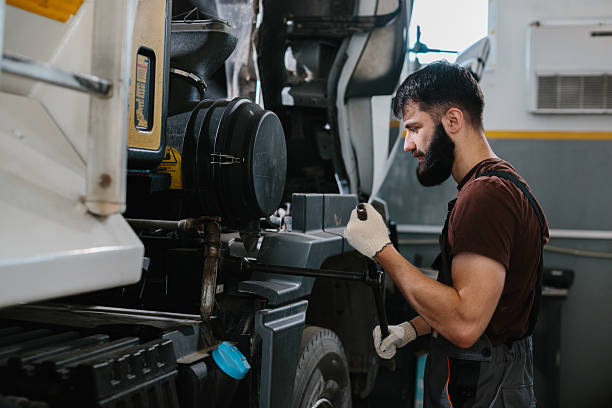
A lead mechanic is an experienced technical professional who combines hands-on mechanical work with responsibility for coordinating other mechanics. Lead mechanic jobs in Nigeria can be found across automotive workshops, transport companies, fleet operations, construction businesses, manufacturing facilities and companies that operate heavy equipment.
Unlike a junior or general mechanic, a lead mechanic is often trusted to handle difficult repairs, inspect completed work, assign tasks and make sure vehicles or equipment are maintained properly.
What Does a Lead Mechanic Do?
The responsibilities vary by employer, but a lead mechanic may be responsible for:
- Diagnosing difficult mechanical faults
- Supervising mechanics and technicians
- Assigning daily workshop tasks
- Inspecting vehicles and equipment
- Performing complex repairs
- Overseeing preventive maintenance
- Checking completed repairs
- Supporting breakdown response
- Monitoring workshop tools and equipment
- Maintaining repair records
- Reporting major faults to management
- Training junior mechanics
In a busy fleet operation, the lead mechanic may also help decide which vehicles need immediate attention and which can remain in service.
How Much Experience Do You Need?
Lead mechanic positions are generally aimed at experienced mechanics who can work independently.
Many employers look for several years of practical experience, particularly with the type of vehicles or machinery they operate.
Relevant experience may include:
- Automobile repair
- Truck maintenance
- Diesel engines
- Fleet maintenance
- Heavy equipment
- Industrial machinery
- Hydraulic systems
- Automotive electrical systems
The more closely your previous experience matches the employer’s equipment, the stronger your application is likely to be.
Heavy-Duty Experience Can Be Valuable
Mechanics who have worked on trucks, buses, trailers and construction equipment can target lead mechanic positions in industries where equipment reliability is critical.
Useful experience includes:
- Diesel engine repair
- Gearbox and transmission work
- Brake systems
- Suspension systems
- Steering systems
- Hydraulics
- Pneumatic systems
- Electrical troubleshooting
- Preventive fleet maintenance
Transport and logistics companies in particular need experienced mechanics who can keep vehicles operational and reduce unnecessary downtime.
Diagnostics Are Important for Lead Mechanics
A lead mechanic should be able to help technicians diagnose faults rather than simply replace damaged components.
Important skills include:
- OBD scanner operation
- Fault-code interpretation
- Multimeter testing
- Sensor testing
- Automotive wiring
- ECU diagnostics
- Engine-management systems
- Battery and charging-system diagnosis
- Electrical troubleshooting
For heavy equipment, knowledge of hydraulic and electronic control systems can also be valuable.
Supervisory Skills Matter
Technical ability is only one part of being a lead mechanic.
You may also be responsible for:
- Assigning work to mechanics.
- Checking repair progress.
- Reviewing completed jobs.
- Training junior technicians.
- Ensuring workshop safety.
- Monitoring maintenance schedules.
- Reporting parts requirements.
- Communicating vehicle problems to management.
A good lead mechanic should be able to explain a technical problem clearly to both technicians and non-technical managers.
Preventive Maintenance Is a Major Part of the Job
A lead mechanic may be responsible for ensuring that vehicles and equipment receive maintenance before major failures occur.
This can involve:
- Scheduled servicing
- Oil and filter changes
- Brake inspections
- Fluid checks
- Battery testing
- Belt and hose inspections
- Lubrication
- Component replacement
- Maintenance records
- Inspection of recurring faults
For a fleet operating between Lagos, Ibadan, Abuja or other Nigerian cities, proper maintenance can make a major difference to vehicle reliability and operating costs.
What Qualifications Do Lead Mechanics Need?
Requirements depend on the employer.
Possible qualifications include:
- Technical college training
- Automotive technology certification
- Trade Test Certificate
- NABTEB technical qualification
- OND/HND Mechanical Engineering
- Automotive engineering qualifications
- Relevant manufacturer training
However, practical experience is usually a major consideration for a leadership-level workshop role.
If you have years of experience but do not have a university degree, clearly highlight your practical training, certifications, vehicle experience and previous supervisory responsibilities.
What Should You Put on Your CV?
A lead mechanic CV should demonstrate both technical ability and leadership experience.
Include:
- Total years of experience
- Types of vehicles or equipment handled
- Engine types
- Diagnostic equipment used
- Major repairs completed
- Preventive maintenance experience
- Fleet experience
- Electrical troubleshooting
- Hydraulic experience
- Number of mechanics supervised
- Workshop responsibilities
- Technical qualifications
- Relevant certifications
Instead of simply writing “Lead Mechanic – 8 years,” describe what you actually managed.
For example:
“Supervised a team of six mechanics, coordinated preventive maintenance for a commercial vehicle fleet and handled complex diesel-engine and electrical faults.”
Related Job Titles to Search
Don’t search only for “lead mechanic jobs Nigeria.”
Also look for:
- Lead Automotive Technician
- Senior Mechanic
- Senior Automotive Technician
- Workshop Supervisor
- Workshop Foreman
- Chief Mechanic
- Fleet Maintenance Supervisor
- Lead Technician
- Maintenance Supervisor
- Heavy-Duty Lead Mechanic
- Fleet Technician
Different employers can use different titles for positions with similar responsibilities.
Applications and CV Submission
Candidates interested in lead mechanic opportunities and related technical positions should prepare an updated CV showing their years of experience, technical qualifications, specialist skills and leadership responsibilities.
Applications and CVs should be sent to jobs@wigmoretrading.com.
Use Lead Mechanic Application as the email subject and include your phone number, years of experience, qualifications and the types of vehicles or equipment you have worked on.
How to Stand Out as a Lead Mechanic
Employers want someone who can take responsibility rather than simply complete individual repair tasks.
Highlight your ability to:
- Lead a workshop team
- Diagnose difficult faults
- Reduce vehicle downtime
- Plan preventive maintenance
- Inspect completed repairs
- Train junior mechanics
- Manage urgent breakdowns
- Maintain accurate records
- Work safely
- Communicate with management
If you have improved the reliability of a fleet or reduced recurring mechanical problems, include measurable results on your CV where possible.
Preparing for the Interview
A lead mechanic interview can include both technical and leadership questions.
You may be asked:
- How would you diagnose a vehicle that repeatedly breaks down?
- How do you prioritise several vehicles needing repairs?
- How would you handle a mechanic who repeatedly makes mistakes?
- What is your preventive maintenance process?
- How do you diagnose an engine that cranks but won’t start?
- How do you verify that a repair has been completed correctly?
- How do you handle an urgent roadside breakdown?
- How do you communicate a major repair requirement to management?
Use real examples from your previous workshop experience whenever possible.
Where Can Lead Mechanics Work?
Potential employers include:
- Automobile workshops
- Transport companies
- Logistics companies
- Fleet operators
- Construction companies
- Manufacturing businesses
- Agricultural companies
- Heavy-equipment operators
- Generator and power-service companies
- Oil and gas service companies
The best opportunities will depend on your specialist experience. A mechanic with heavy-duty diesel experience, for example, should target companies operating trucks and industrial equipment rather than limiting the search to ordinary car workshops.
Building Your Career Beyond Lead Mechanic
A lead mechanic role can eventually lead to positions such as:
- Workshop Supervisor
- Workshop Manager
- Fleet Maintenance Manager
- Maintenance Manager
- Technical Manager
- Fleet Manager
- Chief Mechanic
To progress, continue developing both technical and management skills. Advanced diagnostics, diesel technology, fleet management, hydraulics, hybrid vehicles and electric vehicle systems can all add value to an experienced mechanic’s career.
A successful lead mechanic is ultimately someone who can keep vehicles or equipment reliable, solve difficult technical problems, guide other mechanics and make sure repairs are completed safely and correctly.
