


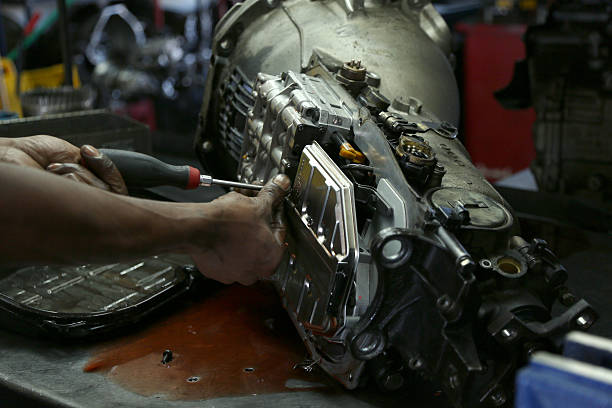
Mechanical fitters play an important role in keeping industrial machinery, production equipment and mechanical systems operating safely. They install, dismantle, align, maintain and repair mechanical components, making mechanical fitter jobs in Nigeria relevant across manufacturing, oil and gas, construction, power and other industrial sectors.
Current Nigerian listings show opportunities for mechanical fitters in Lagos, Ogun, Rivers and other industrial locations. Recent roles involve production machinery, pumps, valves, gearboxes, compressors, bearings and other mechanical equipment.
What Does a Mechanical Fitter Do?
A mechanical fitter works with machinery and mechanical components, often handling installation, maintenance and repairs.
Typical responsibilities include:
- Installing mechanical equipment
- Dismantling and reassembling machinery
- Replacing bearings, seals and gaskets
- Aligning shafts and rotating equipment
- Repairing pumps and gearboxes
- Maintaining valves and compressors
- Troubleshooting mechanical faults
- Carrying out preventive and corrective maintenance
- Inspecting equipment for wear or damage
- Using workshop and lifting equipment safely
Current mechanical fitter vacancies in Nigeria specifically mention equipment such as pumps, valves, compressors, gearboxes and piping systems.
Where Are Mechanical Fitters Needed?
Mechanical fitters can find opportunities in industries such as:
- Manufacturing
- FMCG production
- Steel and metal processing
- Oil and gas
- Power generation
- Construction
- Food processing
- Mining
- Marine operations
- Industrial maintenance
Lagos remains an important market for these roles, with recent vacancies in Apapa, Iganmu and other parts of the state. There are also opportunities around industrial areas in Ogun State and other manufacturing locations.
What Skills Do Employers Look For?
A strong mechanical fitter should understand how mechanical components work together and be comfortable carrying out hands-on repairs.
Useful skills include:
- Mechanical fault diagnosis
- Equipment installation
- Shaft and coupling alignment
- Bearing replacement
- Pump maintenance
- Gearbox maintenance
- Hydraulic and pneumatic systems
- Welding and fabrication
- Preventive maintenance
- Corrective maintenance
- Reading mechanical drawings
- Safe use of hand and power tools
Manufacturing vacancies also commonly require the ability to troubleshoot production machinery, read mechanical drawings and use maintenance tools and measuring instruments.
Mechanical Fitter vs Mechanic
Although the skills can overlap, the work environment is often different.
A vehicle mechanic primarily works on automobiles, while a mechanical fitter commonly works with industrial machinery and mechanical equipment.
For example, a fitter in a manufacturing plant could be responsible for maintaining a conveyor, gearbox, pump or production machine. A vehicle mechanic would generally focus on engines, transmissions, suspension, brakes and other vehicle systems.
Technicians who have experience in both areas can potentially apply for a broader range of maintenance positions.
Qualifications and Experience
Requirements vary between employers. Some positions accept technical training, Trade Test qualifications or OND-level qualifications, while more senior positions may require HND or a degree alongside several years of industrial experience.
Recent Nigerian listings include fitter roles requiring technical qualifications and hands-on experience, while some senior mechanical fitter positions request several years of industrial or oil-and-gas experience.
Practical experience with production equipment can be particularly valuable.
What Should You Put on Your CV?
When applying for mechanical fitter jobs in Nigeria, make your CV specific about the equipment you have worked on.
Include:
- Years of fitting and maintenance experience
- Machinery you have worked on
- Pumps and compressors
- Gearboxes and rotating equipment
- Bearings and mechanical seals
- Hydraulic and pneumatic systems
- Preventive and corrective maintenance
- Welding or fabrication experience
- Technical qualifications
- Previous industrial employers
- Ability to read mechanical drawings
If you have worked in a factory, steel plant, oil and gas facility or other industrial environment, state this clearly.
Applications and CV Submission
Candidates interested in mechanical fitter opportunities should prepare an updated CV highlighting their mechanical fitting, maintenance, installation and troubleshooting experience.
Applications and CVs should be sent to jobs@wigmoretrading.com.
Use Mechanical Fitter Application as the email subject and include your current phone number, qualifications and relevant work experience in your CV.
Preparing for the Interview
A mechanical fitter interview may include practical questions about machinery and maintenance.
You could be asked how you would:
- Replace a damaged bearing.
- Align a motor and pump.
- Diagnose excessive machine vibration.
- Repair a leaking mechanical seal.
- Troubleshoot a gearbox problem.
- Dismantle and reassemble equipment safely.
- Identify the cause of repeated equipment failure.
Be prepared to explain the steps you would take rather than simply naming the component you would replace.
Building a Career as a Mechanical Fitter
Mechanical fitters can progress into senior fitter, maintenance technician, mechanical supervisor and other industrial maintenance roles. Developing additional skills in rotating equipment, hydraulics, welding, electrical systems and equipment reliability can open more opportunities.
For anyone searching for mechanical fitter jobs in Nigeria, hands-on experience, strong troubleshooting ability and knowledge of industrial machinery can make your CV more competitive.
