


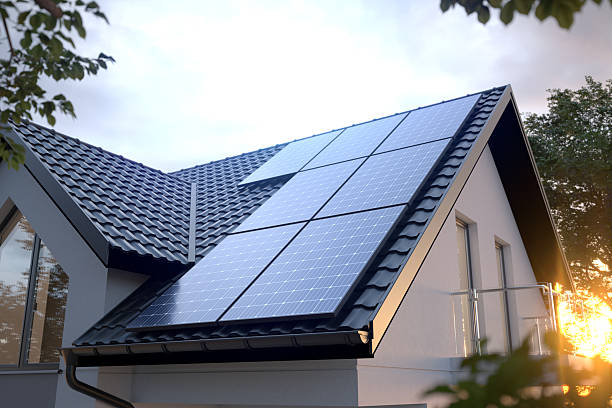
Running a business in Lagos means power is rarely a small expense. Shops, offices, pharmacies, restaurants, salons, warehouses and small production businesses often depend on a combination of grid electricity and generators just to keep operations moving.
For companies that cannot justify paying for a complete solar installation at once, pay as you go solar commercial in Lagos offers another option. Instead of committing a large amount of capital upfront, a business can access a properly sized solar solution through structured payments based on an agreed financing or service arrangement.
This can be particularly useful for businesses trying to control generator expenses without tying up money needed for stock, salaries or expansion.
How Pay as You Go Commercial Solar Actually Works
Commercial pay-as-you-go arrangements are not all structured the same way.
Depending on the provider and the size of the installation, a business may pay a fixed monthly amount, spread the equipment cost across an agreed period, or pay for the electricity supplied under an energy-service arrangement.
In Nigeria’s commercial solar market, businesses can already find lease-to-own, solar-as-a-service and power-as-a-service models that reduce or remove the need for a full upfront purchase.
Before signing an agreement, confirm:
- Whether you will eventually own the equipment
- How long the payment period lasts
- Who handles maintenance and repairs
- Whether batteries are included
- What happens if your business relocates
- Whether payments are fixed or linked to energy consumption
These details can make two apparently similar offers very different financially.
Your Business Load Should Be Checked Before Installation
A common mistake is choosing solar based only on inverter size.
A commercial system should be planned around what your business actually powers during working hours.
A small Lekki office running laptops, lighting, internet equipment and air conditioners has a completely different requirement from a bakery in Surulere operating mixers, freezers and ovens.
An electrical load assessment should identify equipment such as:
- Air conditioners
- Refrigerators and freezers
- Computers and POS systems
- Pumps
- Production machinery
- Lighting
- CCTV and internet equipment
Peak demand and the number of hours each device runs are especially important.
Oversizing increases your payment unnecessarily. Undersizing leaves you switching back to a generator whenever demand rises.
Where Commercial Solar Makes Sense in Lagos
Pay-as-you-go solar can be practical for businesses operating in places such as Ikeja, Yaba, Lekki, Victoria Island, Surulere, Oregun and Lagos Island where reliable electricity directly affects daily revenue.
Consider a pharmacy with refrigerators that cannot remain off for long, or an online business that loses orders whenever internet equipment shuts down.
A salon may need dependable power for clippers, dryers, lighting and air conditioning, while a restaurant may prioritise freezers, refrigerators and POS equipment.
Solar does not necessarily have to power every appliance.
Some businesses reduce costs by putting essential daytime loads on solar while keeping high-consumption equipment or emergency backup on another source.
Compare the Monthly Payment With Your Current Power Cost
Do not judge a commercial solar offer only by whether the monthly payment looks affordable.
First calculate what unreliable electricity is already costing the business.
Include:
- Generator fuel
- Generator servicing
- Oil and replacement parts
- Grid electricity bills
- Generator repairs
- Revenue lost during outages
- Equipment damaged by unstable power
Then compare those costs with the proposed solar payment and any remaining generator or grid expenses.
This gives you a more realistic picture of whether the arrangement saves money.
Check the Contract Before You Commit
Commercial solar agreements can last for months or several years, so businesses should understand the terms before installation begins.
Ask who owns the panels, batteries and inverter during the payment period.
Also confirm warranty coverage, maintenance responsibilities, early termination conditions and what happens if a major component fails.
Businesses considering pay as you go solar commercial in Lagos should be especially cautious about choosing a system purely because the initial payment is low. Equipment quality, battery capacity, after-sales support and system design matter just as much.
Arrange Commercial Solar Support Through Travo.ng
Travo.ng helps businesses coordinate practical energy solutions without making the process unnecessarily complicated.
A business can use Travo.ng to arrange suitable commercial solar support based on its location, electricity requirements and preferred payment structure.
Whether you operate a retail shop in Ikeja, an office in Lekki, a restaurant in Victoria Island or another commercial facility around Lagos, the first step should be understanding your power demand before selecting a system.
With the right assessment and payment arrangement, commercial solar can reduce dependence on generators while allowing a business to preserve working capital for day-to-day operations.
