


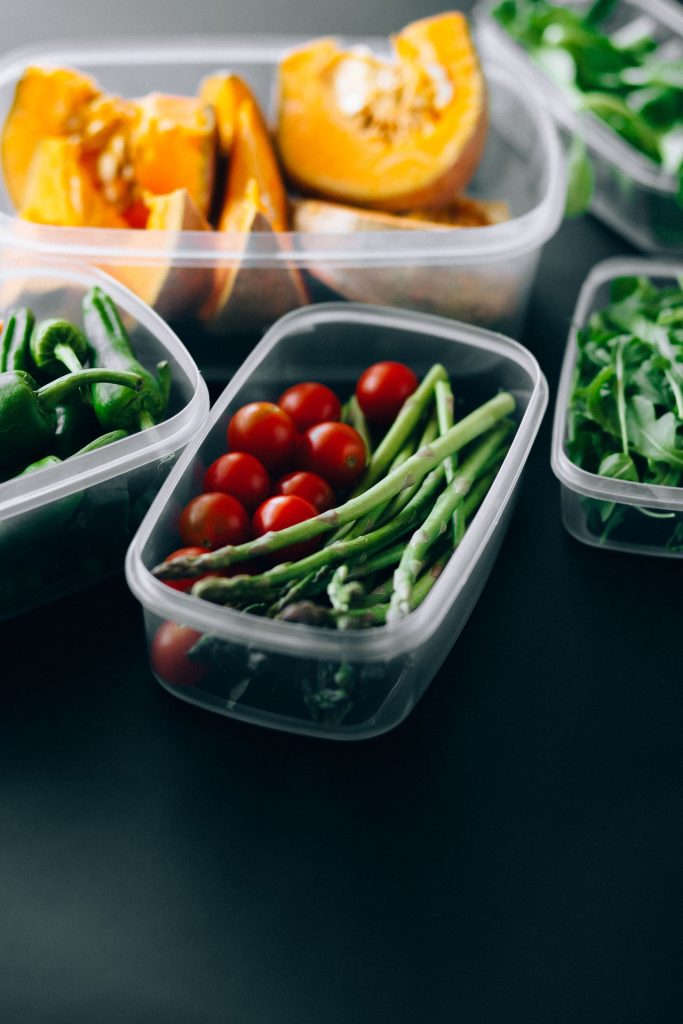
Finding a reliable food storage solution in Lagos is not simply about getting an empty warehouse and moving cartons inside. Food businesses have to think about temperature, humidity, stock rotation, transport delays, power supply, hygiene, and how quickly products can leave the facility when customers place orders.
These challenges affect restaurants, supermarkets, caterers, food distributors, importers, online food vendors, farms, and FMCG businesses across Lagos.
Travo.ng helps businesses coordinate practical food logistics, including storage arrangements, cargo movement, delivery services, and transport support, so products can move from suppliers to storage and onward to customers with fewer disruptions.
The Type of Food Determines How It Should Be Stored
Not every food product requires refrigeration.
Rice, noodles, canned foods, bottled drinks, flour, and properly packaged dry ingredients can usually remain in controlled dry storage. Fresh vegetables, dairy products, meat, seafood, frozen foods, and certain beverages require stricter temperature management.
Before choosing storage, businesses should confirm:
- Required storage temperature
- Quantity and pallet space needed
- Expected storage duration
- Frequency of stock movement
- Packaging requirements
- Delivery locations across Lagos
- Whether backup power is available
A frozen-food distributor supplying restaurants in Lekki, for example, has very different requirements from an ecommerce company storing cartons of packaged snacks for deliveries around Ikeja.
Lagos Traffic Can Turn a Storage Problem Into a Delivery Problem
Location matters almost as much as the warehouse itself.
A facility may offer suitable storage conditions but still create operational problems if every dispatch vehicle spends hours crossing Lagos traffic.
Businesses supplying Lekki, Victoria Island and Ikoyi may prefer inventory positioned where deliveries can reach customers without repeatedly crossing the entire city. Companies serving Ikeja, Agege, Ogba and nearby mainland locations may make a different decision.
When evaluating a food storage solution in Lagos, consider both rental cost and delivery efficiency.
A cheaper facility located far from your main customers can become expensive once additional fuel, vehicle time, driver costs and failed delivery windows are considered.
Cold Storage Requires Reliable Power Planning
Power reliability is one of the biggest concerns for temperature-sensitive goods.
Cold rooms and freezer facilities need dependable electricity backed by generators, solar systems, inverters or another suitable alternative. Even short temperature interruptions can reduce product quality when meat, dairy products or frozen foods are involved.
Businesses should ask storage providers how temperatures are monitored and what happens during a power failure.
For high-risk products, it is also useful to confirm whether staff record temperatures regularly and whether goods are separated properly to reduce contamination risks.
Avoid Keeping More Stock Than You Can Move
Storage space is often priced according to factors such as volume, pallet requirement, product type, handling needs and length of stay.
Businesses sometimes order large quantities because buying in bulk appears cheaper. The problem begins when stock remains in storage longer than expected.
Food businesses should compare expected sales with available inventory before replenishing.
For products with expiry dates, using a first-expiry-first-out system helps ensure older stock leaves before newer stock. Clear batch and expiry-date records also make picking and distribution much easier.
This is particularly important for supermarkets, restaurants, pharmacies carrying nutritional products and FMCG distributors handling several product lines.
Transport Into and Out of Storage Needs Proper Coordination
Good storage can still fail if transportation is poorly planned.
Fresh produce sitting inside a delivery vehicle for several hours before being unloaded may already have lost some of its usable shelf life.
Where refrigerated transportation is required, the vehicle should match the product’s temperature needs. Loading and unloading should also be organised so products are not unnecessarily exposed outside controlled environments.
Travo.ng can support businesses with cargo logistics, delivery coordination and suitable transport arrangements when moving food supplies between suppliers, storage facilities, retail outlets and customers.
When Shared Storage Makes More Sense
Small businesses do not always need an entire warehouse.
A bakery ingredient supplier, online grocery business or restaurant distributor may require only a limited amount of space. Shared or flexible storage can help such businesses avoid paying for unused capacity.
Larger distributors may require dedicated storage areas, regular truck access and organised loading schedules.
The right arrangement depends on stock volume and how frequently goods enter and leave the facility.
Getting Food From Storage to Customers Quickly
Storage is only one part of the operation.
For many Lagos businesses, the real challenge is fulfilling orders consistently after the goods have been stored.
A supermarket may need scheduled replenishment from its storage location. A restaurant supplier may have several morning deliveries across Lekki and Victoria Island. An ecommerce food business may need smaller same-day deliveries to individual customers.
Planning dispatch routes and grouping nearby orders can reduce unnecessary trips and improve delivery reliability.
Travo.ng can coordinate courier services, cargo transport and scheduled business deliveries alongside storage requirements, giving businesses a more practical way to manage the movement of their inventory.
Choosing a Food Storage Solution in Lagos
Before committing to a facility, inspect the operational details rather than choosing based only on price.
Check cleanliness, ventilation, pest control, temperature management, power backup, security, loading access and how inventory is recorded. For refrigerated products, confirm exactly how temperature-sensitive goods are handled during receiving and dispatch.
A dependable food storage solution in Lagos should protect products while also making distribution easier.
With Travo.ng, businesses can arrange storage-related logistics, cargo movement and delivery support based on their actual operational needs. Whether you are managing dry food stock, packaged goods or temperature-sensitive products, proper planning between storage and transportation can reduce spoilage, unnecessary costs and delayed customer deliveries.
