


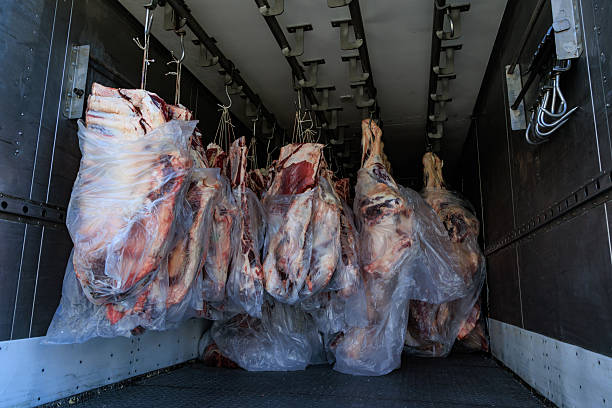
A reliable cold chain solution in Nigeria is essential when moving products that can spoil, lose quality, or become unsafe if temperatures are not properly controlled. Fresh food, frozen products, vaccines, laboratory samples, pharmaceuticals, dairy products, seafood, and some cosmetics all require more than an ordinary delivery vehicle.
The challenge in Nigeria is not simply keeping goods cold. Businesses also have to deal with traffic delays, long interstate routes, unstable power supply, loading delays, and the possibility of temperature changes while goods are transferred between storage and vehicles.
Travo.ng helps businesses coordinate temperature-sensitive logistics with practical transport and delivery arrangements suited to Nigerian operating conditions.
Keeping Products Cold During Lagos Deliveries
A frozen-food supplier moving cartons from Ikeja to Lekki may only be travelling within Lagos, but the delivery can still take several hours during heavy traffic.
That means businesses should plan beyond the distance on Google Maps. Loading time, vehicle condition, packaging and delivery windows all affect product quality.
For local cold chain deliveries, operators usually need to consider:
- The required temperature range
- Volume and weight of the shipment
- Insulated or refrigerated vehicle requirements
- Expected loading and unloading time
- Traffic along the delivery route
- Whether the receiver has immediate cold storage available
A delivery that reaches its destination quickly but remains outside refrigeration for 40 minutes during unloading can still create problems.
Moving Frozen and Chilled Goods Between Nigerian Cities
Interstate temperature-controlled logistics requires even more planning.
Routes such as Lagos to Abuja, Lagos to Ibadan and Port Harcourt to Abuja involve longer periods on the road. Vehicle reliability, refrigeration performance and route planning become critical.
A chilled-food distributor, for example, should not treat a Lagos–Abuja movement like ordinary cargo transport. Depending on traffic, road conditions and stops, road movement may take roughly 10 to 14 hours or longer.
Before dispatch, the logistics team should confirm the product temperature, vehicle suitability, expected journey time and delivery contact at the destination.
Travo.ng can coordinate cargo logistics and transport arrangements for businesses that need dependable movement of temperature-sensitive goods between cities.
Cold Chain Logistics for Food Businesses
Restaurants, supermarkets, hotels, caterers and food distributors often depend on regular deliveries of products such as meat, fish, vegetables, dairy products and frozen foods.
One common mistake is waiting until stock is almost finished before arranging transport. Cold chain vehicles may require advance scheduling, especially when a business needs a particular vehicle size or temperature specification.
Planning recurring deliveries can reduce emergency transport costs and make stock management easier.
Businesses supplying multiple locations should also plan delivery sequences carefully. A vehicle serving Ikeja, Victoria Island and Lekki in one trip needs an efficient route to reduce unnecessary door-opening and temperature fluctuations.
Pharmaceuticals Need Stricter Delivery Coordination
Medical products can require tighter temperature controls than ordinary food deliveries.
Some medicines, vaccines and diagnostic materials must remain within specific temperature ranges throughout storage and transportation. The exact handling requirements should always come from the manufacturer, healthcare provider or authorised pharmaceutical professional.
The logistics provider’s role is to coordinate suitable transportation, minimise delays and maintain the required handling conditions.
Travo.ng can support medical and pharmaceutical businesses with delivery coordination where temperature-controlled movement is required.
What to Confirm Before Booking Cold Chain Transport
Before arranging a cold chain solution in Nigeria, provide clear shipment details.
You should know the pickup and delivery locations, type of product, required temperature range, quantity, packaging, preferred delivery time and whether loading assistance is required.
These details help determine whether you need an insulated van, refrigerated vehicle or another specialised logistics arrangement.
Businesses should also avoid assuming that every refrigerated vehicle provides the same level of temperature control. The requirements for frozen poultry may be different from those for vegetables, pharmaceuticals or chilled drinks.
Arrange Temperature-Sensitive Logistics With Travo.ng
Cold chain logistics works best when storage, transport, timing and receiving arrangements are treated as one connected process.
Travo.ng provides practical logistics support for businesses moving temperature-sensitive products across Nigeria. Depending on your requirements, this can include delivery coordination, cargo logistics, transport arrangements and business logistics support.
Whether you are distributing frozen food within Lagos or coordinating chilled cargo between Nigerian cities, planning the movement properly can reduce spoilage, delays and unnecessary losses.
Contact Travo.ng with your pickup location, destination, product type, temperature requirement and shipment size to arrange a suitable cold chain solution in Nigeria.
