


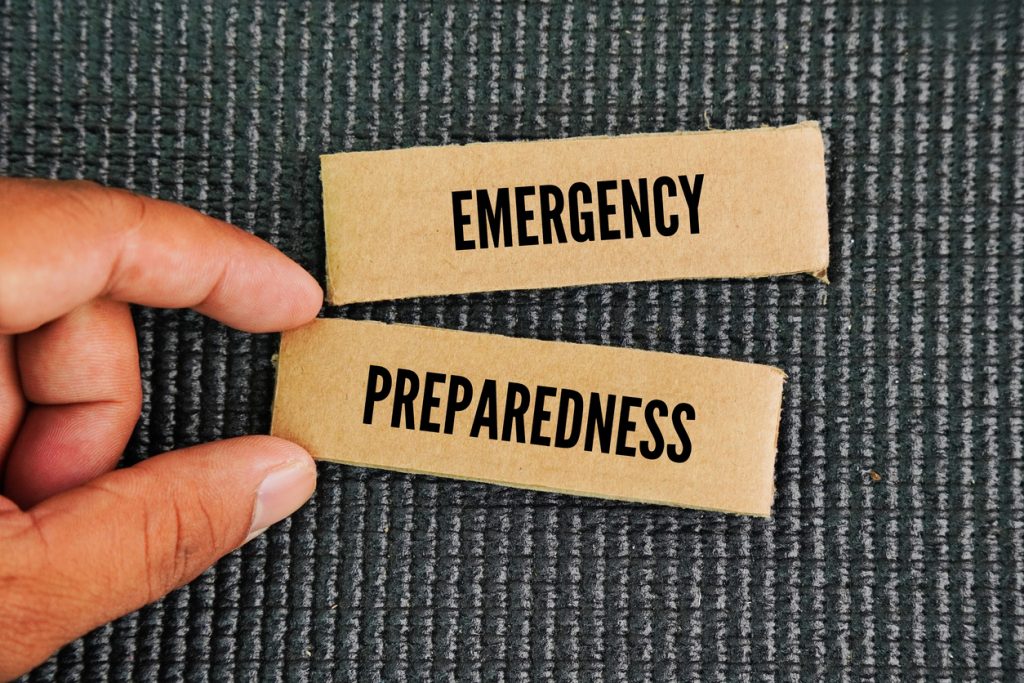
Disasters rarely give businesses, families or organisations enough time to organise transport after the problem has already started. Flooding can block access roads, heavy rainfall can delay normal dispatch operations, and emergencies may create sudden demand for food, medical supplies, water, generators and protective equipment.
This is why disaster preparedness delivery in Nigeria should be arranged before an emergency becomes difficult to manage. The goal is not simply to find a vehicle when something goes wrong. It is to know what supplies must move, where they are stored, which routes can be used and how quickly replacements can be dispatched.
Travo.ng supports organisations and individuals with practical delivery, cargo logistics and transport coordination when supplies need to reach different locations efficiently.
What Should Be Ready Before an Emergency Happens?
Preparedness starts with identifying items that would become difficult to source or transport during disruption.
Depending on the organisation, this may include:
- Drinking water and packaged food
- First-aid and medical supplies
- Flashlights, batteries and power banks
- Generators and related equipment
- Protective clothing and rain gear
- Hygiene products
- Temporary shelter materials
- Communication equipment
- Fuel-related operational supplies
- Emergency replacement parts
A company with offices in Lekki and Ikeja, for example, should not wait until serious flooding affects movement before deciding how supplies will reach both locations.
Stock can be positioned beforehand, while transport arrangements can be prepared for additional deliveries.
Flooding Can Change Lagos Delivery Routes Quickly
Flooding is one of the clearest examples of why emergency logistics requires local planning.
A trip that normally takes less than an hour may take considerably longer when sections of Lagos experience heavy rainfall, waterlogging or severe traffic. Areas around Lekki, Victoria Island, Ajah and parts of the mainland can experience very different road conditions during the same rainfall period.
Drivers may need to change routes instead of following the shortest navigation suggestion.
For disaster preparedness delivery in Nigeria, dispatch planning should therefore consider alternative access roads, suitable vehicle types and realistic delivery windows rather than promising an exact arrival time that road conditions may make impossible.
Emergency Supplies Should Not All Be Stored in One Location
Centralised storage is convenient during normal operations but can become a weakness during an emergency.
Imagine that a business keeps all its emergency supplies in one Lagos warehouse while its staff operate from Lagos, Abuja and Port Harcourt. If access to the warehouse becomes disrupted, every other location could be affected.
Where practical, frequently needed emergency items can be distributed between facilities or warehouses closer to the people who may need them.
Travo.ng can support this type of arrangement through cargo movement, courier services, delivery coordination and business logistics support.
Interstate Emergency Deliveries Need More Planning
Moving supplies from Lagos to Abuja is different from sending an ordinary parcel across town.
The shipment may need to travel hundreds of kilometres, and the delivery plan should consider vehicle availability, departure time, cargo size, road conditions and the urgency of the items.
Smaller high-priority items may sometimes be better suited to faster courier or air cargo arrangements, while bulky equipment may require dedicated road transport.
The important point is to select the transport method according to the emergency rather than automatically choosing the cheapest option.
Businesses Should Prepare a Delivery Contact List
One simple step can save valuable time during disruption.
Keep a current list containing:
- Emergency supply locations
- Warehouse contacts
- Delivery addresses
- Responsible staff members
- Alternative receiving locations
- Vehicle or cargo requirements
- Priority items that must move first
The person requesting transport should also know approximately how many cartons, pallets or pieces of equipment need to move. Saying “we have emergency supplies” is not enough information for proper vehicle planning.
Using Travo.ng for Disaster Preparedness Delivery in Nigeria
Good emergency logistics is largely about preparation before pressure begins.
Travo.ng can help businesses, NGOs, property managers, families and other organisations coordinate courier deliveries, cargo movement and transport for essential supplies. Arrangements can also include vehicle hire and logistics support where larger quantities or multiple destinations are involved.
Whether supplies need to move within Lagos or between cities such as Abuja, Ibadan, Benin City or Port Harcourt, planning the delivery process beforehand makes emergency response far more organised.
Disaster preparedness delivery in Nigeria works best when routes, supplies, transport options and responsible contacts are already understood. Instead of searching for a solution after disruption begins, organisations can use Travo.ng to prepare practical delivery arrangements and move essential items when they are needed most.
