


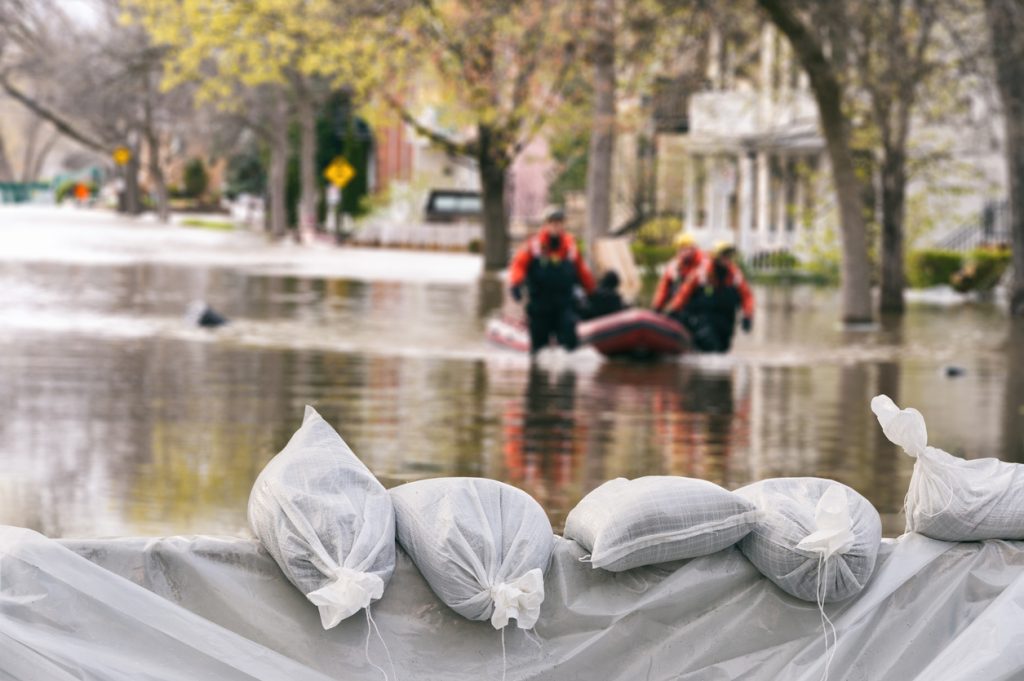
A missing person search during flooding needs to begin quickly, but it also needs to be organised. When heavy rainfall causes flash floods, overflowing rivers or badly flooded streets, simply sending relatives in different directions can create more confusion and put additional people at risk.
In Nigerian cities and communities where roads can become inaccessible within minutes, families may need to check evacuation points, hospitals, temporary shelters and the last places the missing person was seen. Transport and communication become just as important as the physical search itself.
Start With the Person’s Last Confirmed Location
Before moving around, establish where the person was last seen and at what time.
Useful details include:
- Their full name and recent photograph
- Phone number
- Clothing worn that day
- Vehicle registration number, if applicable
- Last confirmed street, workplace or destination
- Planned route home
- Names of people they were travelling with
If someone left an office in Victoria Island intending to return to Surulere, for example, the search should not immediately cover the whole of Lagos. Start with their expected route, known flood-prone sections, hospitals and safe locations nearby.
Families should also report the situation promptly to the appropriate emergency and security authorities. During flood emergencies, NEMA advises people to report emergencies and avoid walking or driving through floodwater because conditions can change rapidly.
Do Not Turn the Search Into Another Emergency
One of the biggest mistakes during flooding is allowing several relatives to enter dangerous areas without coordination.
Never drive through water simply because another vehicle appears to have crossed safely. The road underneath may be damaged, drainage channels may be open, and moving water can be deeper than it looks.
Nigeria’s emergency agencies regularly coordinate search, rescue and evacuation operations with state authorities and other responders during major incidents.
Where professional responders are already operating, relatives should provide accurate information instead of entering restricted areas and interfering with rescue work.
Where Families Should Check First
A practical missing person search during flooding usually involves more than visiting the last known location.
Depending on the incident, families may need to check:
- Nearby hospitals and clinics
- Police stations
- Emergency evacuation centres
- Community shelters
- Churches, mosques or schools temporarily receiving displaced residents
- Homes of friends or relatives near the person’s route
Someone escaping rising water may abandon their normal route, lose their phone or be transported to safety without immediately contacting family.
This is why keeping one person responsible for recording every location checked can prevent duplicated effort.
Transport Becomes a Serious Challenge During Flood Searches
Flooding can make a journey that normally takes 20 minutes take several hours. Streets around parts of Lagos, Port Harcourt, Benin City or other heavily affected areas may become temporarily unusable, while traffic builds quickly on alternative routes.
Families searching across several locations may therefore need coordinated vehicle movement rather than relying on one car.
Travo.ng can assist with practical transport arrangements such as vehicle hire, driver coordination, airport or station pickups for arriving relatives, and movement between accessible hospitals, shelters or family locations.
The service should support the search logistics, while emergency rescue in dangerous flood zones remains with trained authorities.
Keep Communication Centralised
Create one family contact person and one shared record of confirmed information.
Every update should answer three questions: where was checked, who checked it, and what was found?
Avoid circulating unverified claims on WhatsApp or social media. A false report that somebody has been found in Ikeja, for example, can send several relatives across Lagos while more useful leads are ignored.
Nigeria’s emergency authorities have also emphasised the importance of reliable and timely information during flood response.
Getting Practical Movement Support From Travo.ng
During a flood emergency, families already have enough to manage. Coordinating drivers, collecting relatives, reaching hospitals and arranging transport between safe locations should not add unnecessary confusion.
Travo.ng can help organise suitable transport and local movement while families remain focused on locating their loved one and communicating with emergency responders.
For missing person search during flooding, the safest approach is simple: report quickly, organise reliable information, avoid dangerous floodwater, coordinate every search location and use dependable transport support when movement between safe areas is necessary.
