


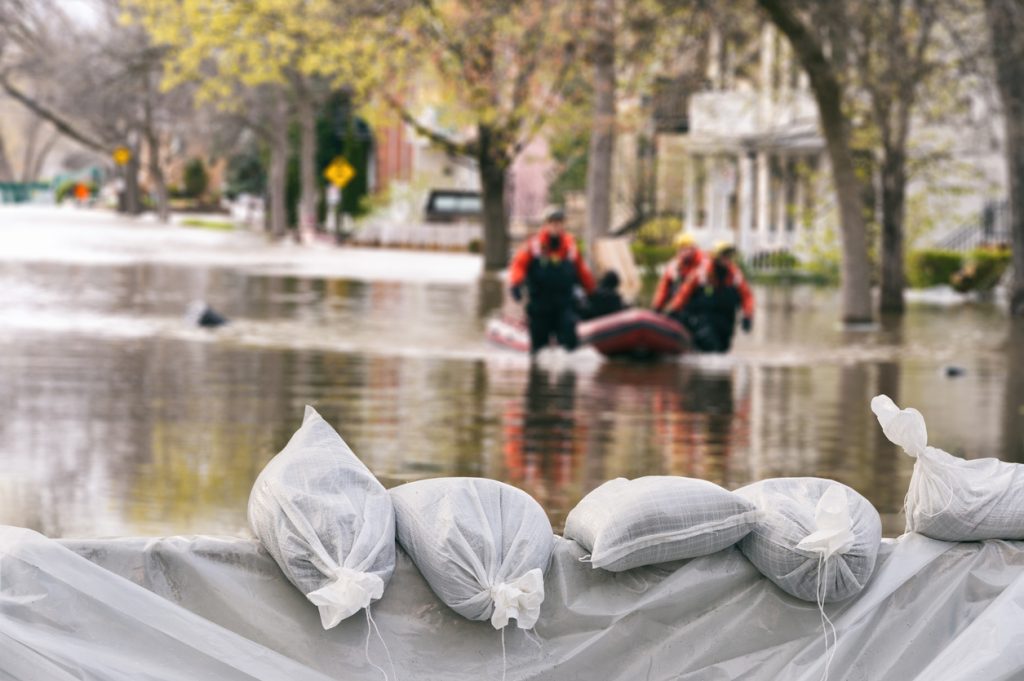
Flooding in Lagos can disrupt entire communities within hours. Roads become difficult to access, homes are affected, drainage channels overflow, and essential supplies suddenly need to reach locations that ordinary delivery operations cannot easily serve.
For government agencies, NGOs, emergency-response teams, and organisations supporting affected communities, working with a government flood relief contractor in Lagos is often less about simply hiring trucks and more about coordinating people, vehicles, supplies, storage, and last-mile movement under difficult conditions.
Travo.ng provides practical logistics and transport coordination that can support flood-relief operations across Lagos.
Moving Relief Supplies When Lagos Roads Are Flooded
Flood response logistics becomes challenging when the normal route into a community is no longer usable.
Areas such as Lekki, Ajah, Victoria Island, Ikorodu, Agege and parts of the Lagos Mainland can experience serious movement problems after prolonged rainfall. A delivery that normally takes one hour may take several hours because vehicles have to avoid flooded roads or heavy traffic around affected areas.
Relief operations therefore require route planning before vehicles are dispatched.
Depending on the project, transport may involve:
- Trucks for bulk relief materials
- Vans for smaller community distributions
- Pickup vehicles for field teams and equipment
- Vehicles for emergency personnel
- Multiple delivery runs to temporary distribution points
Travo.ng can coordinate suitable vehicles based on cargo volume, destination accessibility, and delivery urgency.
What Government Flood Relief Logistics Usually Involves
Emergency distribution rarely consists of one straightforward delivery.
A government flood relief contractor in Lagos may need to coordinate supplies from several locations before moving them to affected communities.
For example, bottled water could be collected from a distributor in Ikeja while food supplies come from another warehouse in Apapa. Mattresses, blankets, hygiene products, medical supplies, or temporary shelter materials may also come from different suppliers.
The logistics plan must bring these items together without creating unnecessary delays.
For larger projects, materials can be consolidated at a temporary storage or staging location before being dispatched according to community requirements.
This is particularly useful when relief supplies must reach several locations on the same day.
Planning Distribution Points Before Trucks Leave
One common mistake during emergency logistics is loading vehicles before confirming exactly where the goods will be received.
A truck arriving at a flooded community without a designated unloading location can lose valuable time.
Before dispatch, the operations team should confirm:
- The exact delivery location
- A contact person at the destination
- Road accessibility for the vehicle
- Available unloading personnel
- Quantity expected at each distribution point
Where large trucks cannot safely enter a community, cargo may need to be transferred to smaller vehicles for the final stage of delivery.
That type of last-mile planning can significantly improve flood-relief distribution.
Supporting Field Teams and Emergency Operations
Relief projects also require movement of people.
Government officials, engineers, health workers, assessment teams, volunteers, and contractors may need reliable transport between offices, warehouses, temporary shelters, and affected communities.
Travo.ng can support these operations through vehicle hire, driver coordination, airport pickups for visiting project personnel, cargo movement, courier services, and business logistics support.
Having transport and delivery activities coordinated through one operational structure can make larger emergency projects easier to manage.
Preparing for High-Demand Flood Periods
Lagos flood logistics should ideally be planned before the heaviest rainfall periods.
Once widespread flooding occurs, demand for trucks, drivers, temporary storage, packaging materials, and emergency deliveries can increase quickly.
Government departments and organisations preparing seasonal response programmes should estimate expected cargo volumes, identify likely distribution areas, and arrange transport capacity early.
It is also useful to prepare alternative routes and smaller vehicles for locations where large trucks may struggle.
Working With Travo.ng on Flood Relief Logistics
Effective flood response depends on getting the right supplies to the right location while conditions are changing rapidly.
Travo.ng can support government agencies, contractors, NGOs, and corporate organisations that need coordinated transport, cargo logistics, vehicle hire, courier services, and distribution support across Lagos.
When engaging a government flood relief contractor in Lagos, the priority should be practical execution: knowing what must move, where it needs to go, which vehicle can reach the location, and how quickly the next delivery can be organised.
That operational coordination is what helps relief supplies move beyond warehouses and actually reach the communities that need them.
