


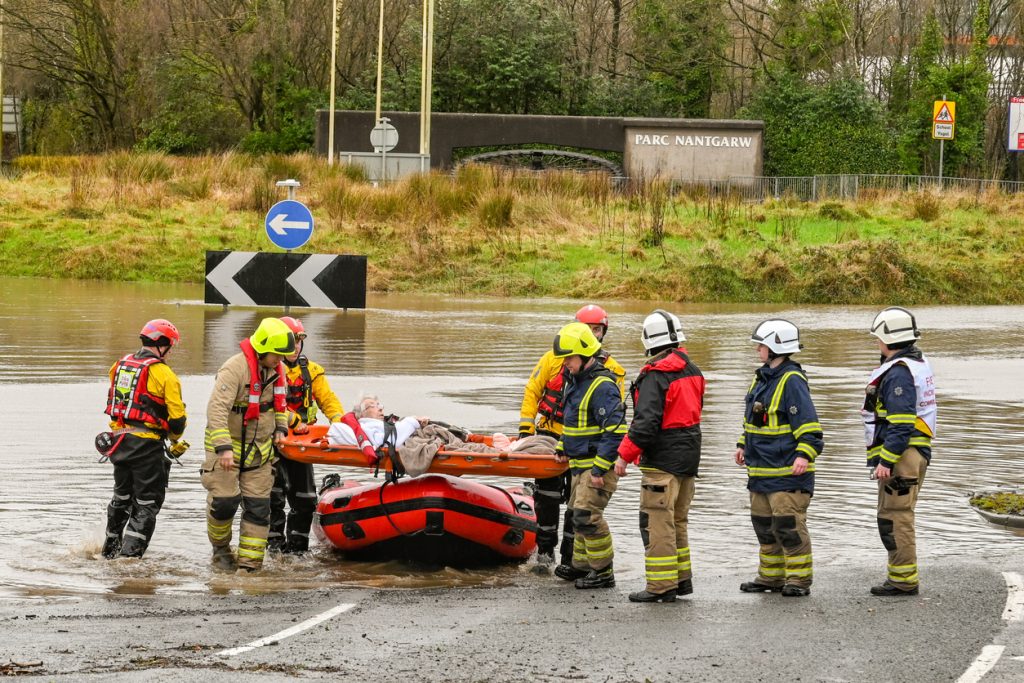
Heavy rainfall can turn a normal construction shift into an emergency within minutes. Excavated foundations fill with water, temporary access roads become difficult to use, equipment gets stranded, and workers may need to leave before surrounding roads become impassable.
A properly planned construction site flood evacuation in Lagos is therefore more than arranging vehicles after water starts rising. It involves moving people quickly, identifying safe access routes, protecting essential equipment and coordinating transport before conditions deteriorate.
Travo.ng can support contractors, developers and project managers with emergency transport coordination, vehicle hire and logistics assistance when flooding disrupts construction operations.
What Should Be Moved First When a Site Starts Flooding?
Workers should always take priority. Trying to rescue building materials or machinery while employees remain in a dangerous part of the site creates unnecessary risk.
Once personnel are accounted for, site managers can assess whether portable equipment and important materials can safely be relocated.
Typical priorities include:
- Site workers and subcontractors
- Engineers and supervisors
- Portable generators and electrical equipment
- Surveying instruments
- Power tools and smaller machinery
- Documents and project records
- Cement and other water-sensitive materials
Large excavators, cranes and other heavy equipment require separate recovery planning. They should not be moved through unstable or heavily flooded ground simply to prevent water exposure.
Lagos Traffic Makes Early Evacuation Planning Important
Flood evacuation is particularly difficult when the construction site sits in an area where surrounding roads also become waterlogged.
A project around Lekki, Ajah, Victoria Island or parts of Lagos Mainland may still have safe ground inside the compound while access roads are becoming increasingly difficult for buses, vans or trucks.
Waiting until workers are ready to leave before looking for vehicles can therefore cause avoidable delays.
For larger projects, the practical approach is to identify beforehand:
- The number of workers requiring transportation
- Alternative entrances and exits
- Suitable vehicle types
- Nearby safe assembly locations
- Routes that avoid known drainage problems
- Where important tools or materials can temporarily be stored
This information makes emergency transport coordination much faster.
How Construction Site Flood Evacuation in Lagos Can Work
Imagine a building project in Lekki with 35 workers on site when several hours of heavy rainfall begin overwhelming the temporary drainage system.
Instead of arranging individual rides, the contractor can coordinate one or more buses or vans to move workers to an agreed safe location. A pickup or suitable cargo vehicle may separately transport portable tools, generators and valuable equipment.
The same principle applies to sites in Ikeja, Surulere, Yaba, Ikoyi and other parts of Lagos. The exact arrangement depends on the number of people, road conditions, equipment and severity of the flooding.
Travo.ng can help coordinate the appropriate transport rather than leaving project managers to contact several unrelated drivers during an emergency.
Do Not Send Ordinary Vehicles Into Deep Floodwater
One common mistake is assuming any available vehicle can reach a flooded construction site.
Drivers should never be pressured to enter water when the depth, road condition or drainage channel underneath cannot be determined. A flooded road can conceal potholes, damaged surfaces, open drains or other hazards.
Where direct vehicle access is unsafe, workers may need to assemble first at a safer pickup point accessible by road.
The objective is evacuation, not creating another emergency.
Prepare Before the Lagos Rainy Season Causes Disruption
Construction companies should treat flood evacuation as part of operational planning, particularly for projects with deep excavations, low-lying compounds, temporary drainage or large workforces.
Keep worker contact lists updated, monitor weather conditions, establish assembly points and decide which equipment should be removed first.
When transport is needed, Travo.ng can assist with construction site flood evacuation in Lagos, worker movement, vehicle hire and related emergency logistics coordination.
Good preparation means that when heavy rainfall begins affecting a site, the project team already knows where people should go, what should be moved and how transportation will be organised. That can reduce confusion, protect valuable equipment and, most importantly, help workers leave dangerous conditions safely.
