


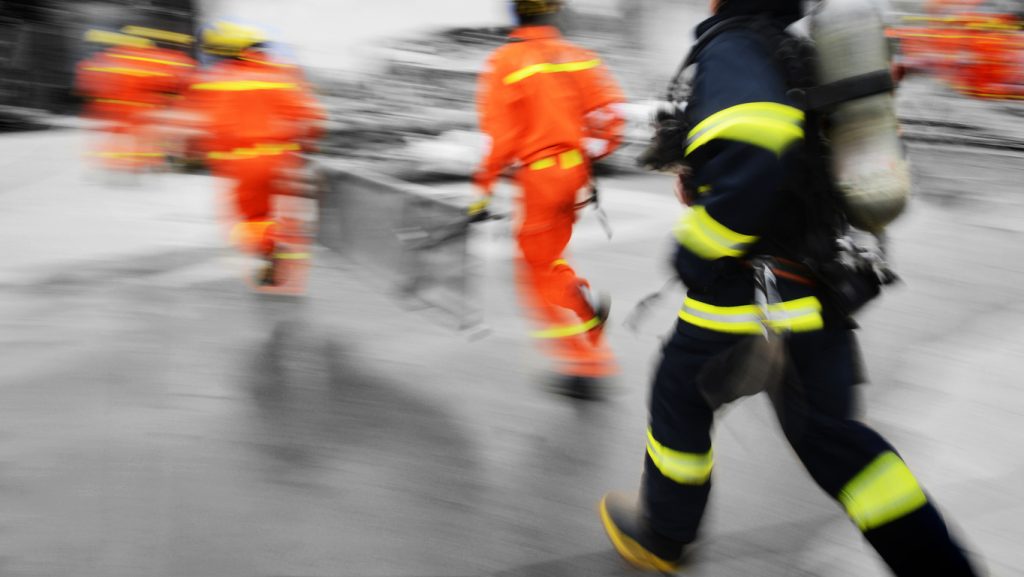
When a building collapses in Lagos, the emergency is not only about finding rescue personnel. Vehicles, equipment, medical supplies, fuel, lighting, food, water, protective gear, and replacement tools may all need to reach the site quickly.
That is where building collapse rescue logistics in Lagos becomes critical.
Rescue teams can lose valuable time when a truck is delayed in traffic, equipment is sent to the wrong access point, or supplies arrive without anyone available to receive them. Effective logistics helps keep people, vehicles, equipment, and emergency supplies moving while rescue professionals focus on the actual rescue operation.
Getting Vehicles and Equipment Through Lagos Traffic
A collapse around areas such as Lagos Island, Surulere, Yaba, Mushin, Ikeja, or Lekki can immediately create serious traffic problems. Once emergency vehicles, residents, media crews, government officials, and concerned relatives begin arriving, surrounding streets can become difficult to navigate.
Logistics planning should therefore consider more than the shortest route.
A driver moving urgent supplies from Ikeja to Lagos Island, for example, may need an alternative route if the Third Mainland Bridge approach or inner-city roads are heavily congested. For bulky items, the vehicle selected must also be suitable for narrow streets and restricted access around the incident area.
Travo.ng can support organisations with vehicle hire, transport coordination, urgent delivery, and cargo movement where these services are required by authorised response teams.
What Rescue Logistics May Need to Move
Building collapse response can involve several categories of supplies arriving at different stages.
Common logistics requirements may include:
- Personal protective equipment
- Medical consumables
- Drinking water and packaged food
- Portable lighting and power equipment
- Communication devices
- Tools and replacement equipment
- Fuel and generator supplies
- Temporary shelters or field materials
A common mistake is treating everything as one large delivery. In practice, small urgent items may need a motorcycle or car immediately, while heavier materials require a van or truck.
Separating deliveries by urgency, size, destination, and receiving contact reduces confusion at an already crowded site.
The Last 500 Metres Can Be the Hardest Part
Interstate cargo may travel hundreds of kilometres successfully and still face problems when it reaches a Lagos emergency scene.
The final approach is often where delays happen.
Roads may be blocked. Police or emergency agencies may restrict access. Crowds can make normal unloading impossible. The original delivery point may also change as rescue coordinators establish safer operational zones.
Drivers should therefore have a confirmed receiving contact before departure and receive updated instructions as they approach the area.
For urgent deliveries, the destination should be more specific than simply saying “collapse site in Lagos.” A practical dispatch instruction should include the street, nearby landmark, authorised contact person, phone number, vehicle access instructions, and what is being delivered.
Moving Supplies From Other Nigerian Cities
Some emergency equipment or specialist materials may need to come from outside Lagos.
A vehicle carrying supplies from Ibadan can often reach Lagos within several hours under normal road conditions, but congestion at Berger, Ojodu, Mile 2, or other major entry points can change the final arrival time significantly.
Cargo coming from Abuja requires considerably more planning. Road transport can take most of a day depending on departure time, vehicle type, road conditions, security considerations, and traffic on arrival in Lagos.
Where an item is small but extremely urgent, air movement followed by an airport pickup and dedicated delivery vehicle may sometimes be more practical than sending it entirely by road.
Travo.ng can coordinate airport pickups, cargo transport, and onward delivery when organisations need several transport stages handled as one movement.
Keeping Drivers and Deliveries Organised
Emergency logistics should still have basic controls.
Before dispatching any vehicle, confirm:
- What is being transported.
- Who authorised the movement.
- Where the driver should report.
- Who will receive the items.
- Whether the route remains accessible.
- Whether another vehicle type is required.
This becomes especially important when businesses, NGOs, contractors, hospitals, or corporate organisations are supporting an emergency response with donated supplies.
Sending several uncoordinated vehicles to the same location can add to congestion rather than help.
Reliable Logistics Support When Movement Is Urgent
Building collapse incidents require specialised emergency responders, engineers, medical teams, and government agencies. Logistics providers support that work by ensuring authorised people and supplies can move efficiently.
For organisations supporting an active response, Travo.ng can assist with practical transport needs such as urgent courier services, vehicle hire, cargo logistics, airport pickup coordination, and business logistics support.
Effective building collapse rescue logistics in Lagos depends on accurate information, appropriate vehicles, responsive drivers, clear receiving contacts, and constant awareness of Lagos traffic conditions.
When every movement has a purpose and every delivery reaches the right people, logistics becomes a meaningful part of a coordinated emergency response.
