


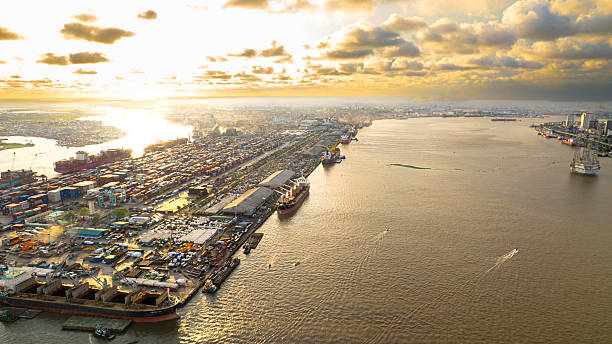
If you’re searching for Alibaba import shipping pay in Naira, you’re basically trying to buy goods from Alibaba suppliers (mostly in China) and ship them to Nigeria while paying shipping, freight, and logistics costs in Naira instead of USD or other foreign currencies.
This is very common for Nigerian importers dealing in:
- Electronics and gadgets
- Fashion and clothing
- Home appliances
- Beauty and skincare products
- Machinery and industrial goods
What Alibaba Import Shipping Actually Means
Alibaba import shipping is the process of:
- Buying products from Alibaba suppliers
- Shipping them internationally to Nigeria
- Clearing them through customs
- Delivering them to your warehouse or shop
In simple terms:
It is wholesale importation from China into Nigeria.
Why Alibaba Shipping Is Usually FX-Based
Traditionally, Alibaba-related logistics is priced in:
- USD (Alibaba standard currency)
- Sometimes CNY (Chinese Yuan) internally
This happens because:
- Suppliers are based in China
- International freight is dollar-based
- Shipping lines operate globally
- Customs and insurance are FX-linked
So most importers deal with dollars from purchase to delivery.
The Real Problem Importers Face
Alibaba import shipping becomes stressful when:
- You must source USD before shipping
- Exchange rate increases total landed cost
- Multiple charges (supplier + freight + clearing) confuse budgeting
- Hidden logistics fees appear later
- Delays happen due to payment issues
This affects profit margins for small and medium importers.
What “Alibaba Import Shipping Pay in Naira” Means
When Alibaba import shipping is billed in Naira, it means:
- Shipping and logistics costs are converted locally
- You receive a clear Naira invoice
- You pay via Nigerian bank transfer
- FX handling is managed by the logistics provider
- Goods are shipped from China to Nigeria without dollar stress
In simple terms:
You import from Alibaba globally but pay logistics locally in Naira.
How Alibaba Import Shipping in Naira Works
The process usually follows:
- You purchase goods from Alibaba supplier
- Goods are prepared and shipped to port in China
- Freight forwarder arranges shipping to Nigeria
- Shipping and clearance costs are calculated
- Total cost is converted into Naira
- You receive a local invoice
- Payment is made in Nigeria
- Goods are delivered after customs clearance
Example: Importing Electronics From Alibaba
Traditional method:
- Supplier invoice in USD
- Freight + clearing also in USD
- FX sourcing delays shipping
Naira payment method:
- Logistics cost quoted in Naira
- Local bank transfer payment
- Shipment processed immediately
- Goods delivered in Nigeria
What Alibaba Import Shipping Includes
Depending on your logistics plan, it may include:
- China-to-Nigeria sea freight or air freight
- Cargo consolidation (LCL or FCL)
- Customs clearance in Nigeria
- Import duty handling support
- Port handling and terminal charges
- Door-to-door delivery
Why Importers Prefer Paying in Naira
For Nigerian importers, Naira billing helps with:
- Predictable import costs
- No FX uncertainty
- Easier profit calculation
- Faster shipment processing
- Better cash flow control
This is especially important for resellers and wholesalers.
Common Mistakes in Alibaba Imports
Avoid these issues:
- Not verifying supplier credibility on Alibaba
- Ignoring shipping dimensions and volumetric weight
- Underestimating customs duty and clearance costs
- Mixing supplier payment and logistics costs confusion
- Not planning delivery timelines properly
How Travo.ng Helps With Alibaba Import Shipping in Naira
With Travo.ng, importers can manage Alibaba shipping to Nigeria in Naira with structured logistics support.
This includes:
- China-to-Nigeria freight forwarding
- Cargo consolidation and shipping
- Customs clearance and documentation
- Import duty support
- Door-to-door delivery
Process:
- Product and supplier details submitted
- Naira-based shipping quote provided
- Local payment made in Nigeria
- Goods shipped and delivered
Final Insight
Alibaba import shipping becomes much easier when logistics costs are handled in Naira.
Instead of dealing with FX stress, multiple international invoices, and unpredictable charges, importers get clear pricing, local payment, and smoother delivery into Nigeria.
For businesses importing from China, this makes scaling more stable and profitable.
