


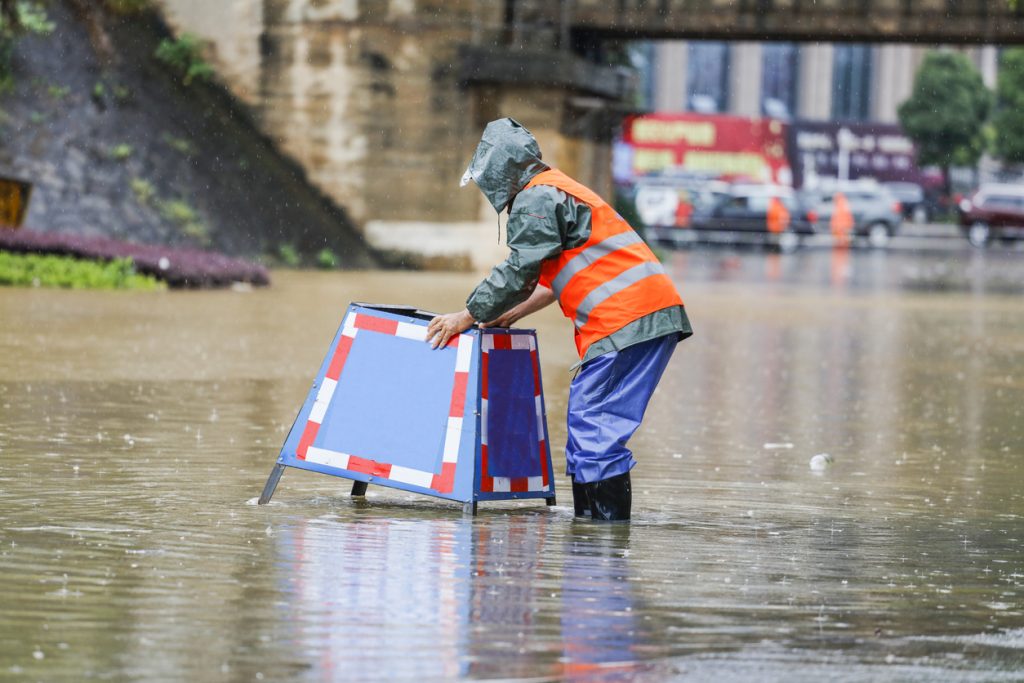
When floods, fires, building collapses, displacement, or other emergencies affect Nigerian communities, getting relief materials to the right location can become as important as sourcing the supplies themselves. A reliable Nigeria disaster relief delivery operation must deal with traffic, damaged roads, long interstate distances, changing drop-off points, and the urgency of moving essential items without unnecessary delays.
For NGOs, businesses, community groups, government partners, and private donors, the biggest challenge is often coordination. Food may be stored in one part of Lagos, medical supplies in another, while the final destination could be several hours away in Ogun, Oyo, Benue, Niger, or another affected state.
Travo.ng helps coordinate practical transport, cargo, courier, and logistics support for relief movements across Nigeria.
Getting Relief Supplies Out Quickly Matters
Emergency deliveries are different from ordinary parcel movements. A shipment containing drinking water, packaged food, blankets, sanitary products, clothing, or first-aid materials may need to leave within hours rather than days.
For example, relief supplies collected in Ikeja for communities affected by flooding outside Lagos may require a dedicated vehicle instead of standard courier handling. Large consignments heading from Lagos to Abuja or another northern destination may need cargo transport with planned loading, departure, and receiving arrangements.
The correct delivery method depends on:
- Volume and weight of the supplies
- Distance to the affected community
- Road accessibility
- Required delivery time
- Number of collection points
- Whether loading or unloading support is needed
- Security and receiving arrangements at the destination
Planning these details before dispatch helps prevent avoidable delays.
Nigeria Disaster Relief Delivery Across State Lines
Interstate relief logistics can become complicated quickly.
A vehicle leaving Lagos for Abuja, for instance, may spend roughly 10 to 13 hours on the road depending on traffic, road conditions, stops, and the exact pickup and drop-off locations. Deliveries to communities outside major cities may take longer because the final stretch could involve smaller roads or difficult access.
During periods of heavy rain, flooding can also affect normal routes. Drivers may need alternative access points, while relief coordinators may have to change the final meeting location.
For large movements, Travo.ng can help arrange cargo logistics and transport coordination suited to the quantity of materials being moved rather than forcing everything through small parcel delivery channels.
Combining Supplies From Different Locations
Relief campaigns often receive donations from several places.
A company may contribute cartons of bottled water from Victoria Island, another organisation may provide food supplies from Yaba, while medical or hygiene materials are collected around Ikeja.
Sending separate vehicles directly to the disaster area can increase transport costs unnecessarily.
A more practical approach may involve collecting supplies from several locations, consolidating them at one point, and then moving the full consignment using a suitable vehicle.
Travo.ng’s courier services, delivery coordination, vehicle hire, and cargo logistics can support this type of movement depending on the size and urgency of the operation.
What Emergency Logistics Organisers Should Confirm Before Dispatch
One common mistake is focusing only on how fast the vehicle can leave.
The receiving side matters just as much.
Before arranging a disaster relief delivery in Nigeria, confirm the exact delivery location, receiver’s phone number, available unloading support, estimated number of packages, and whether the vehicle can physically access the destination.
For areas experiencing flooding or road damage, it is also useful to identify a secondary meeting point. This could be a school, community centre, local government facility, major junction, or other accessible location where relief materials can be transferred safely.
If a shipment contains sensitive items such as medicines, organisers should also confirm whether special handling or temperature requirements apply before transport is arranged.
Choosing the Right Vehicle for Relief Cargo
Using the wrong vehicle can cause delays and additional trips.
Small consignments may fit into a car or van, while larger quantities of food, mattresses, bottled water, clothing, or household supplies may require a bus, pickup, or truck.
Pricing varies according to vehicle size, distance, fuel costs, waiting time, route conditions, and whether multiple pickup points are involved. A local Lagos movement will usually cost significantly less than dedicated interstate transport.
Instead of choosing transport based only on the lowest price, relief organisers should consider capacity, reliability, route suitability, and delivery urgency.
Coordinating Relief Movements With Travo.ng
Emergency logistics works best when responsibilities are clear before a vehicle moves.
Travo.ng can support organisations and individuals with Nigeria disaster relief delivery, courier movements, cargo logistics, vehicle hire, interstate transport coordination, and related business logistics requirements.
Whether relief materials need to move across Lagos, from Lagos to Abuja, or between other Nigerian cities and communities, proper planning can reduce wasted trips and help essential supplies reach recipients faster.
For urgent or planned relief movements, provide the pickup location, destination, type of supplies, approximate quantity, preferred delivery time, and any special access requirements. Travo.ng can then help coordinate a practical transport option for the job.
