


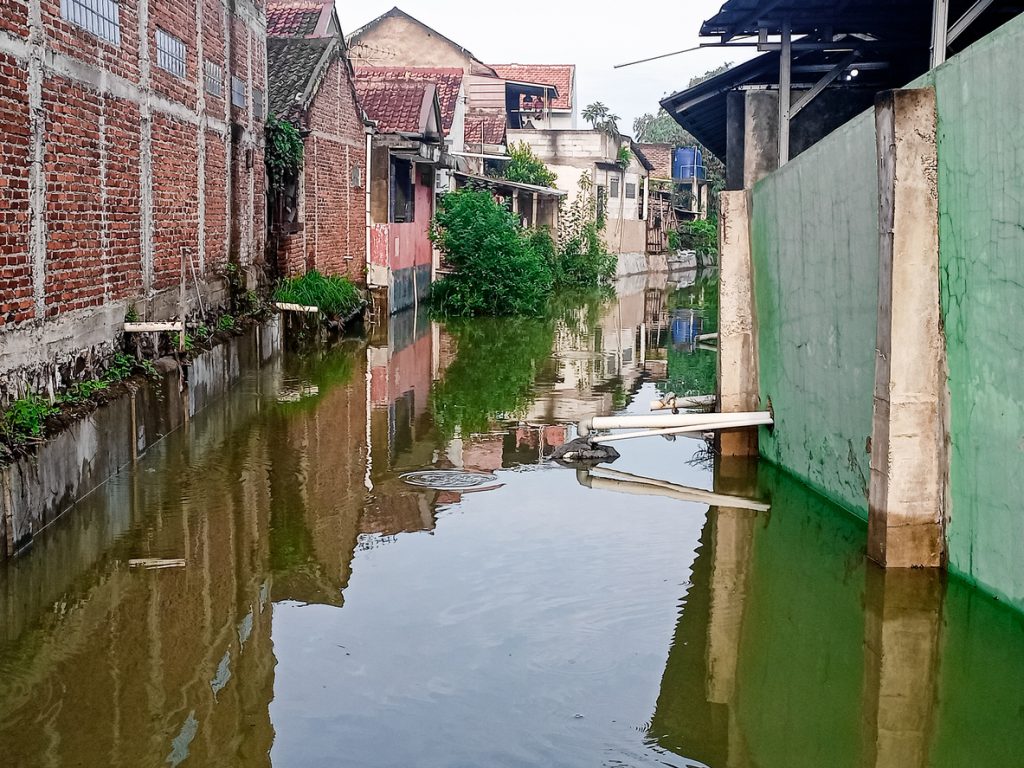
Flooding in Calabar can quickly turn an ordinary delivery into a difficult transport operation. Roads that are normally manageable may become waterlogged, traffic can build around affected junctions, and vehicles carrying food, medical items, bedding, or emergency supplies may need alternative routes.
For organisations, NGOs, businesses, community groups, and families arranging Calabar flood relief transport, the main challenge is not simply finding a vehicle. It is making sure the right vehicle, route, timing, loading plan, and delivery coordination are in place before the cargo starts moving.
Start With the Exact Relief Supplies Being Moved
Relief transport works better when the shipment is clearly defined before vehicle allocation.
A few cartons of bottled water require a different setup from mattresses, bags of rice, generators, hygiene kits, or medical supplies.
Before dispatch, confirm:
- Type and quantity of relief items
- Pickup location
- Delivery community or distribution point
- Approximate cargo weight and volume
- Number of people travelling with the supplies
- Whether multiple stops are required
This information helps determine whether a van, pickup, bus, or larger cargo vehicle is more practical.
Road Conditions Can Change the Delivery Plan
Flood response transport in Calabar requires flexibility.
A route that worked in the morning may become difficult later after heavy rainfall. Drivers may need to avoid flooded streets, slow-moving sections, damaged access roads, or areas where vehicles cannot safely pass.
This becomes more important when deliveries are moving from central Calabar into communities where the final access road is narrower or less developed.
For urgent movements, it is often better to send smaller vehicles in coordinated trips than overload one vehicle and risk getting delayed on difficult roads.
Keep Relief Cargo Organised Before Loading
When supplies are being distributed to several locations, random loading creates unnecessary problems.
Items for the first stop should be accessible without unloading half the vehicle. Boxes should also be labelled clearly, especially where different communities, shelters, clinics, or volunteer teams are receiving different quantities.
For example, if one vehicle is delivering supplies to three distribution points, separating each location’s items before departure makes unloading faster and reduces mistakes.
Water-sensitive supplies should also be protected with suitable wrapping or waterproof covering.
Timing Matters During Heavy Rain
Calabar flood relief transport should be planned around weather conditions, road access, and daylight where possible.
Sending a vehicle into an unfamiliar flooded area late in the evening can make navigation and unloading harder. Where supplies are not immediately life-saving, earlier daytime movement usually gives drivers and coordinators more options if routes change.
For larger relief operations, staggered dispatches can also reduce congestion at loading and distribution points.
Don’t Forget the Final 500 Metres
One common mistake is planning transport only to the nearest major road.
The real problem may begin when the vehicle gets close to the affected community.
Large trucks may not be able to reach some final delivery points, particularly where floodwater, narrow roads, or soft ground limit access. A practical solution can involve moving bulk supplies to a safe transfer point, then using smaller vehicles for the final leg.
This is where proper transport coordination matters more than simply hiring a truck.
Coordinating Teams Alongside Relief Supplies
Flood response often involves people as well as cargo.
Volunteers, medical teams, assessment staff, community representatives, or distribution workers may need transport to and from affected areas.
Keeping passenger transport separate from heavily loaded cargo vehicles can make operations safer and more organised. It also prevents situations where teams arrive before the supplies they are expected to distribute.
Travo.ng can support vehicle hire, transport coordination, cargo movement, courier services, and business logistics depending on the requirements of the operation.
Arrange Calabar Flood Relief Transport With a Clear Plan
Effective flood relief movement depends on preparation before the vehicle leaves.
Confirm the cargo, destination contact, road access, vehicle type, unloading arrangements, and backup route. Drivers should also have reachable contact persons at both the pickup point and final destination.
With Calabar flood relief transport, flexibility is especially important because local conditions can change quickly.
Travo.ng can help coordinate vehicles, drivers, relief cargo, and supporting logistics for organisations and individuals moving essential supplies around Calabar and nearby communities. A properly organised transport plan helps relief items spend less time waiting in vehicles and more time reaching the people who need them.
