


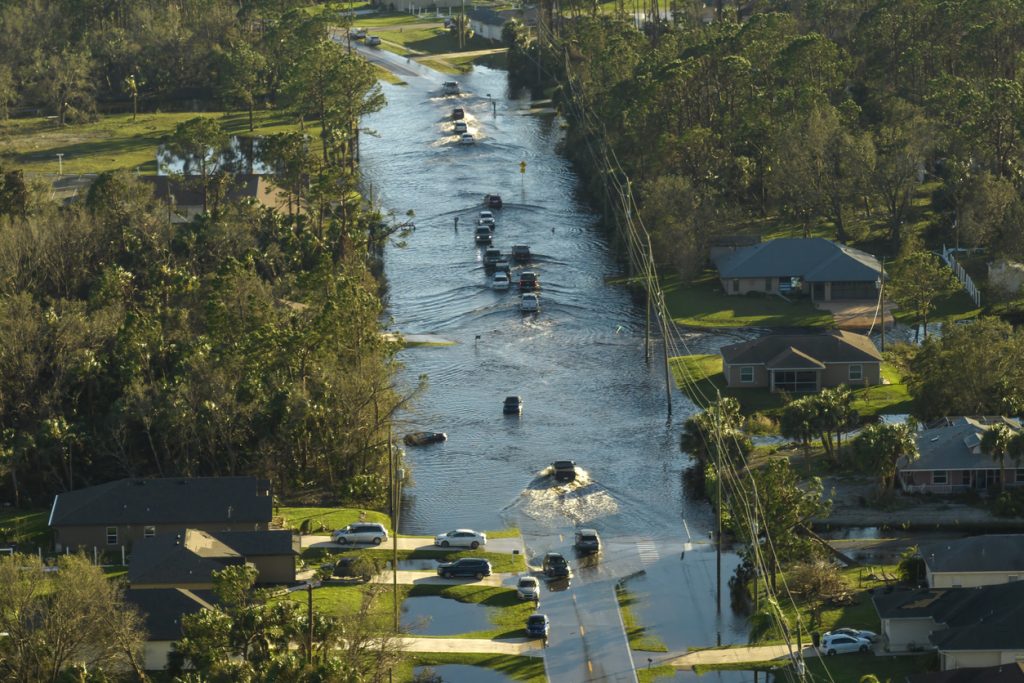
When flooding affects communities in Borno State, getting relief materials to the right location quickly becomes just as important as sourcing the supplies themselves. Food, drinking water, medicines, bedding, hygiene kits and temporary shelter materials are only useful when they can move from warehouses and collection points to affected communities without unnecessary delays.
Effective Borno flood relief logistics requires careful coordination between transporters, warehouses, field teams, donors and local contacts. Routes can change quickly, access roads may become difficult, and vehicles that work well for normal deliveries may not be suitable for emergency movement.
For organisations, businesses and individuals supporting relief efforts, the first priority should be building a realistic movement plan before dispatching cargo.
Confirm the Delivery Point Before Loading Relief Materials
One of the biggest mistakes during emergency distribution is sending vehicles toward a general area without confirming where cargo will actually be received.
A delivery described simply as “Maiduguri” is not enough when several teams may be operating from different warehouses, camps, community centres or distribution points.
Before loading, confirm:
- Exact delivery location
- Contact person at the destination
- Type and quantity of relief materials
- Vehicle access at the receiving point
- Preferred delivery time
- Who will unload and confirm receipt
This reduces waiting time and prevents drivers from moving around unfamiliar locations with sensitive cargo.
Plan Around Road Conditions and Vehicle Capacity
Flooding can make otherwise familiar routes unreliable. Standing water, damaged road sections and traffic diversions can slow movements into and around affected areas.
A vehicle should therefore be selected based on more than cargo volume.
For example, a small van may be convenient for cartons of medical supplies, while bulk food items, bottled water or mattresses may require larger trucks. Where access roads are narrow or partially affected, using several smaller vehicles can sometimes be more practical than sending one large truck that cannot reach the final point.
Travo.ng can support transport coordination and cargo logistics when relief organisations need different vehicle types for different stages of a delivery.
Keep Relief Cargo Sorted Before Dispatch
Emergency cargo becomes difficult to manage when everything is mixed together.
Food, medicine, clothing, hygiene products and bedding should be packed and labelled separately. This helps field teams identify priority items immediately rather than opening dozens of cartons during distribution.
For Borno flood relief logistics, each package should ideally show the contents, quantity and intended destination.
If one truck is serving several locations, load materials in delivery order. Cargo for the first stop should not be buried behind supplies meant for the final destination.
Small operational decisions like this can save significant time on the ground.
Build Time Into Long-Distance Relief Deliveries
Relief supplies may originate far outside Borno.
Donations collected in Lagos, Abuja, Kano or other cities can require long-distance transport before reaching Maiduguri or another coordination point. Dispatch schedules should account for loading, driver rest, road conditions, checkpoints, fuel stops and unloading.
Urgent goods may also require a combination of air cargo and road delivery.
For example, lightweight medical supplies may move faster by air to Maiduguri before being transferred to a local vehicle for final delivery. Bulk items such as rice, bottled water or mattresses may be more economical to move by road.
A reliable logistics plan considers both urgency and cargo type instead of treating every relief shipment the same way.
Keep Communication Active While Cargo Is Moving
Emergency deliveries should not disappear from view once a vehicle leaves the warehouse.
Drivers, dispatch coordinators and receiving teams need clear communication throughout the trip. If a route becomes inaccessible or the receiving location changes, everyone should know before the vehicle reaches the affected area.
Businesses and humanitarian teams should also keep basic dispatch records showing what was loaded, vehicle details, departure time, destination and proof of delivery.
This is particularly useful when several shipments are moving simultaneously.
Coordinating Borno Flood Relief Logistics With Travo.ng
Relief logistics often involves more than hiring a truck. Cargo may need collection from donors, temporary storage, interstate transportation, airport coordination, local delivery and multiple vehicles for final distribution.
Travo.ng can help organisations coordinate cargo logistics, courier movement, vehicle hire and transport support around these different stages.
Whether relief materials are moving from Abuja to Maiduguri or from a local warehouse to several affected communities, proper coordination reduces wasted time and helps essential supplies reach the people waiting for them.
With organised Borno flood relief logistics, teams can focus less on transport problems and more on getting food, medical supplies and other essential support where they are needed most.
