


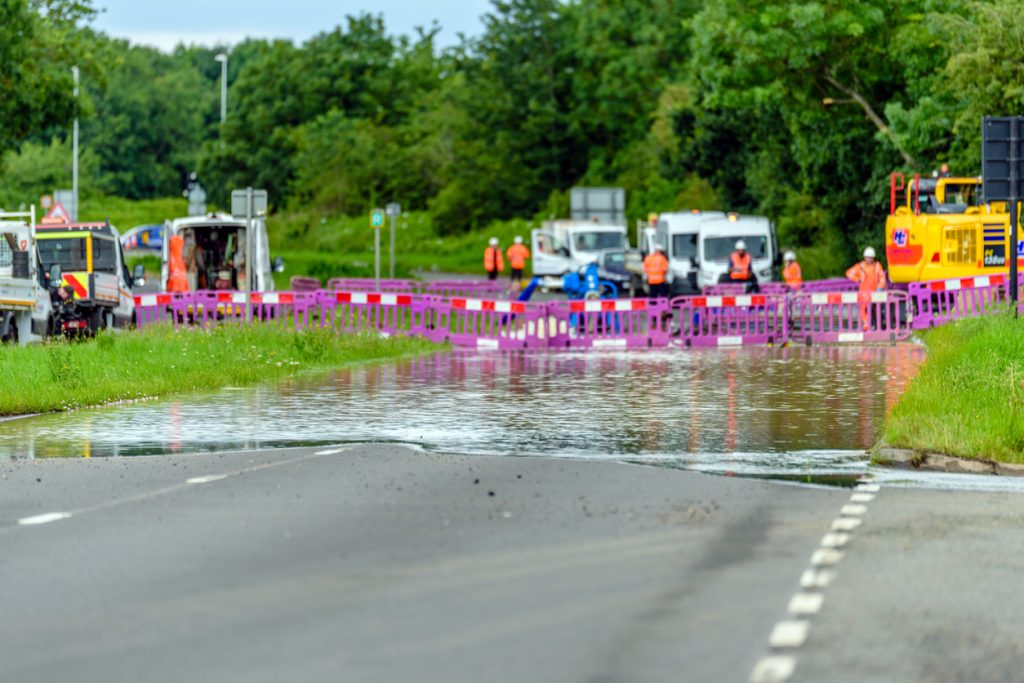
Flood emergencies create a different kind of logistics problem. It is not enough to load food, water or bedding into a vehicle and start driving. Roads may be damaged, access points can change within hours, and the people who need assistance most may be in communities that ordinary delivery vehicles cannot easily reach.
That is why Niger State flood relief delivery needs proper route planning, local coordination and realistic expectations about last-mile access.
Recent flooding in Niger State has affected communities around Minna and Chanchaga, damaging homes, businesses, farmland and road infrastructure. Emergency agencies have also identified several local government areas as high-risk locations during the 2026 rainy season.
For NGOs, companies, religious organisations and individuals sending support, the challenge is getting relief materials to the right location without creating another logistics problem.
Confirm the Receiving Point Before Sending a Truck
One common mistake during emergency deliveries is using a general destination such as “Minna” or the name of an affected local government area.
Relief shipments need a specific receiving point.
Before dispatch, confirm who will receive the goods, their phone number, the safest accessible location and whether the vehicle can actually reach that point.
Where flooding has damaged culverts or affected local roads, a large truck may reach the general area but still be unable to enter the community. Recent assessments in Chanchaga reported damage to a culvert that disrupted movement for motorists and pedestrians.
In such situations, transferring supplies to smaller vehicles at an accessible staging point can be more practical.
Pack Relief Supplies for Fast Distribution
Relief materials should be packed differently from normal commercial cargo.
If rice, beans, drinking water, toiletries and clothing are being delivered to several hundred households, sorting everything after arrival wastes valuable time.
Separate items into clearly labelled units before dispatch.
For example, food packs can contain measured quantities of rice, beans, cooking oil and other essentials. Hygiene products can be packed separately, while mattresses, blankets or clothing can be counted and labelled by quantity.
This makes unloading and beneficiary distribution much easier.
Official relief operations in Niger State have used coordinated distribution involving emergency agencies, local government officials and community leaders to help ensure materials reach verified beneficiaries.
Plan Niger State Flood Relief Delivery Around Road Conditions
The shortest route on Google Maps is not always the best emergency delivery route.
Drivers moving relief materials from Abuja to Minna, for instance, need current information about road access near the final destination rather than relying only on normal journey estimates.
Rain can slow loading, increase travel time and make unpaved community roads difficult for heavily loaded vehicles.
For deliveries beyond Minna into areas such as Mokwa, Bida, Lapai, Shiroro or other flood-prone parts of Niger State, route conditions should be confirmed before the vehicle leaves.
NEMA identified multiple Niger State LGAs as high flood-risk areas ahead of the 2026 peak rainy season, including Bida, Borgu, Katcha, Lapai, Lavun, Mokwa and others.
Avoid Sending Relief Materials Without Local Coordination
A well-intentioned delivery can still fail if nobody is prepared to receive and distribute it.
Before movement begins, establish contact with a recognised community representative, organisation, emergency-response team or designated coordinator.
Confirm:
- Exact number of cartons or bags being sent
- Vehicle type and registration details
- Driver contact information
- Expected arrival window
- Receiving representative
- Safe unloading location
- Distribution arrangement after delivery
This becomes particularly important when several organisations are sending assistance into the same affected area.
Use the Right Vehicle for the Actual Job
A full-size truck may be suitable for moving supplies from Lagos or Abuja to Niger State, but smaller vehicles may be needed for the final kilometres.
This is where coordinated transport becomes important.
Travo.ng can support organisations arranging Niger State flood relief delivery with cargo movement, vehicle hire, delivery coordination and business logistics support. Instead of managing separate drivers and transport providers for different parts of the journey, organisations can plan the movement around cargo volume, destination and local accessibility.
During flood response, successful delivery is not simply about how quickly a vehicle leaves the warehouse. What matters is whether food, water, clothing and other essentials actually reach the people waiting for them.
Careful loading, verified receiving points and flexible transport planning make that possible.
