


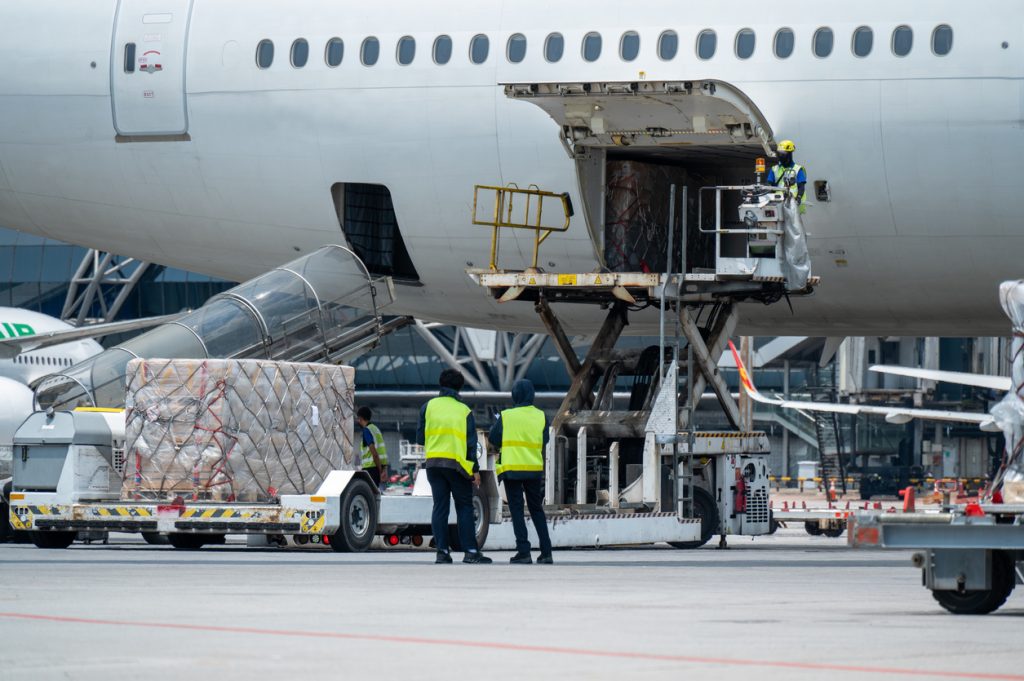
Clearing goods that arrive by air can become stressful quickly when documents are incomplete, charges are misunderstood, or nobody is coordinating what happens after the shipment lands. For businesses and individuals importing through airports such as Murtala Muhammed International Airport in Lagos or Nnamdi Azikiwe International Airport in Abuja, proper air cargo shipment clearance in Nigeria can save days of delay and unnecessary storage costs.
The clearance process is not simply about collecting a package from an airport warehouse. Depending on the shipment, there may be airline documentation, customs assessment, terminal handling, regulatory checks and final delivery arrangements to complete before the cargo can leave the airport.
What Happens After Your Air Cargo Lands in Nigeria
Once an international air shipment arrives, the airline or cargo handler processes the consignment into the relevant cargo terminal. The consignee or appointed logistics representative then works with the shipment documents to begin clearance.
Typical documents may include:
- Air Waybill
- Commercial invoice
- Packing list
- Import documentation where applicable
- Product permits or certificates for regulated goods
- Identification or company documents required for processing
The exact requirements depend on what you are importing. Electronics, industrial equipment, personal effects, medical products and commercial merchandise may not follow exactly the same clearance procedure.
This is why it is safer to confirm documentation before the aircraft even departs the origin country.
Why Airport Cargo Delays Become Expensive
One common mistake is assuming the shipment can remain at the airport indefinitely while documentation is being corrected.
Cargo terminals usually have defined storage arrangements, and charges can increase when goods remain uncleared. A shipment delayed for several additional days because of a missing invoice, incorrect consignee details or unresolved customs issue may therefore cost considerably more than expected.
For businesses importing stock for customers in Lagos, Abuja, Port Harcourt or other cities, the bigger problem can be lost sales. Goods sitting inside a cargo terminal cannot be distributed to shops, warehouses or customers.
Good clearance planning starts before arrival, not after receiving a notification that the cargo has landed.
Air Cargo Shipment Clearance in Nigeria Requires Proper Coordination
Several parties may be involved in one shipment, including the airline, cargo terminal, customs authorities, clearing representatives, transporters and the final recipient.
Poor communication between these parties is where many delays begin.
For example, a business may successfully clear ten cartons of imported equipment at the Lagos airport but still struggle to move them to a warehouse in Ikeja, Lekki or another part of Lagos. Larger cargo may require an appropriate van or truck rather than an ordinary dispatch vehicle.
Travo.ng can help coordinate the logistics around cargo movement, including cargo support, transport arrangements and delivery from the point of clearance to the required destination.
Confirm Your Charges Before the Cargo Arrives
There is no single fixed price for clearing every air shipment in Nigeria.
Costs can vary according to the value and category of the goods, weight, terminal charges, customs assessment, documentation requirements and how long the shipment remains at the cargo terminal.
Someone importing a small commercial consignment will therefore face a different cost structure from a company receiving several hundred kilograms of machinery or retail inventory.
Before shipping, request a proper breakdown covering both clearance-related costs and transportation after release. This gives businesses a more realistic landed-cost calculation.
Plan the Final Delivery at the Same Time
Clearance should not be treated separately from delivery.
If cargo is released in Lagos but must continue to Ibadan, Benin City, Abuja or another destination, the onward vehicle should ideally be planned beforehand. Waiting until clearance is completed before looking for transport can add another day to the process.
Travo.ng supports businesses and individuals that need coordinated cargo logistics, vehicle arrangements, delivery services and interstate transport after their shipments have been released.
For companies receiving regular imports, this can also be organised as ongoing business logistics support rather than arranging every shipment from scratch.
Reduce Problems Before Your Next Shipment Leaves
The easiest air cargo shipment to clear is usually one that was properly prepared before departure.
Check the consignee name carefully, confirm your invoice and packing list, understand whether your goods require special permits and arrange local clearance and transportation early.
When you need air cargo shipment clearance in Nigeria, Travo.ng can help coordinate the practical steps around cargo handling, documentation support, airport pickup and onward delivery so your shipment moves from the airport to its final destination with fewer avoidable delays.
