


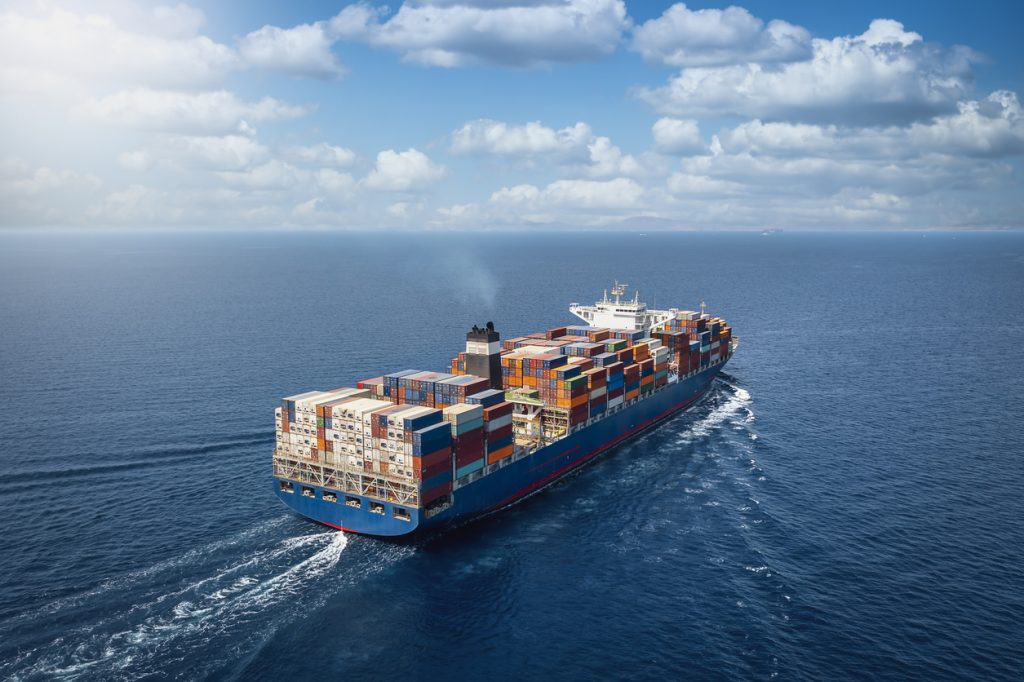
If you want to import from the USA and pay in Naira, you’re basically looking for a way to buy products from American suppliers and bring them into Nigeria without dealing directly with dollar payments, FX stress, or complicated international transfers.
This is very common for Nigerian importers dealing in:
- Electronics and gadgets
- Fashion and branded items
- Auto parts
- Cosmetics and skincare
- Wholesale business stock
The USA is one of the most trusted sourcing markets for high-quality goods, especially for e-commerce sellers and retail businesses in Nigeria.
What Importing From the USA Actually Involves
Importing from the USA usually follows a simple logistics chain:
1. Purchasing Goods
- From US retailers, wholesalers, or online stores
- Pricing is usually in USD
2. Shipping to Nigeria
- Air freight (fast: 3–7 days)
- Sea freight (bulk: 3–6 weeks)
3. Customs Clearance
- Duties and import charges in Nigeria
- Inspection at ports like Lagos or Abuja cargo terminals
4. Final Delivery
- Door-to-door delivery to your location
Why USA Imports Are Usually Dollar-Based
Most US suppliers and platforms price goods in:
- USD (United States Dollars)
This is because:
- The US is a global export market
- Pricing is standardized internationally
- Logistics and shipping are calculated globally
But for Nigerian importers, the real challenge is not sourcing—it is payment and FX access.
The Real Problem Nigerian Importers Face
Most import delays come from payment issues:
- Difficulty sourcing dollars
- Exchange rate fluctuations increasing cost
- Failed international card payments
- Delays funding domiciliary accounts
- Sudden supplier price changes
This is especially difficult for businesses that restock frequently or run online stores.
How “Import From USA, Pay in Naira” Works
Modern logistics providers now simplify the process by handling everything in Naira.
The process works like this:
- You send product details or US store link
- Total cost (product + shipping + clearance) is calculated
- Amount is converted into Naira
- You receive a local invoice
- You pay via Nigerian bank transfer
- Goods are purchased, shipped, and delivered to Nigeria
No FX handling required on your side.
Example: Importing Electronics From the USA
Let’s say you want to import laptops or accessories from a US supplier:
Traditional process:
- Supplier quotes in USD
- You source dollars
- Payment delays shipment
Naira payment process:
- You receive total cost in Naira
- You pay locally
- Supplier is paid
- Goods shipped via air freight
- Delivered to Nigeria in a few days
Shipping Options From the USA to Nigeria
Air Freight (Fast Import)
- Delivery: 3–7 working days
- Best for: electronics, fashion, small packages
- Higher cost per kg
Sea Freight (Bulk Import)
- Delivery: 3–6 weeks
- Best for: containers, heavy goods
- Lower cost per unit
What You Can Import From the USA
Common imports include:
- Electronics and gadgets
- Branded fashion items
- Auto spare parts
- Beauty and skincare products
- Baby products
- Business inventory stock
Common Mistakes Importers Make
Avoid these issues:
- Not checking supplier authenticity
- Ignoring volumetric weight pricing
- Underestimating customs duties
- Choosing express shipping unnecessarily
- Poor packaging leading to damage
Why Businesses Prefer Naira-Based Importing
For Nigerian importers, paying in Naira helps with:
- Stable budgeting
- No FX uncertainty
- Faster purchasing decisions
- Easier accounting
- Better cash flow control
This is especially useful for e-commerce sellers and wholesalers importing regularly.
How Travo.ng Helps With USA Imports
With Travo.ng, you can import from the USA and pay in Naira, making the entire process simpler and more predictable.
This supports:
- Product sourcing from US suppliers
- Air and sea freight shipping
- Supplier coordination
- Customs clearance support
- Door-to-door delivery in Nigeria
Process:
- Send product details or store link
- Receive Naira quotation
- Pay locally
- Goods are purchased, shipped, and delivered
Final Insight
Importing from the USA with Naira payment is making international sourcing much easier for Nigerian businesses.
Instead of dealing with FX stress and dollar payments, you can source products, pay locally, and still run a smooth import process into Nigeria.
For traders, retailers, and online sellers, this is one of the most practical ways to scale import operations today.
