


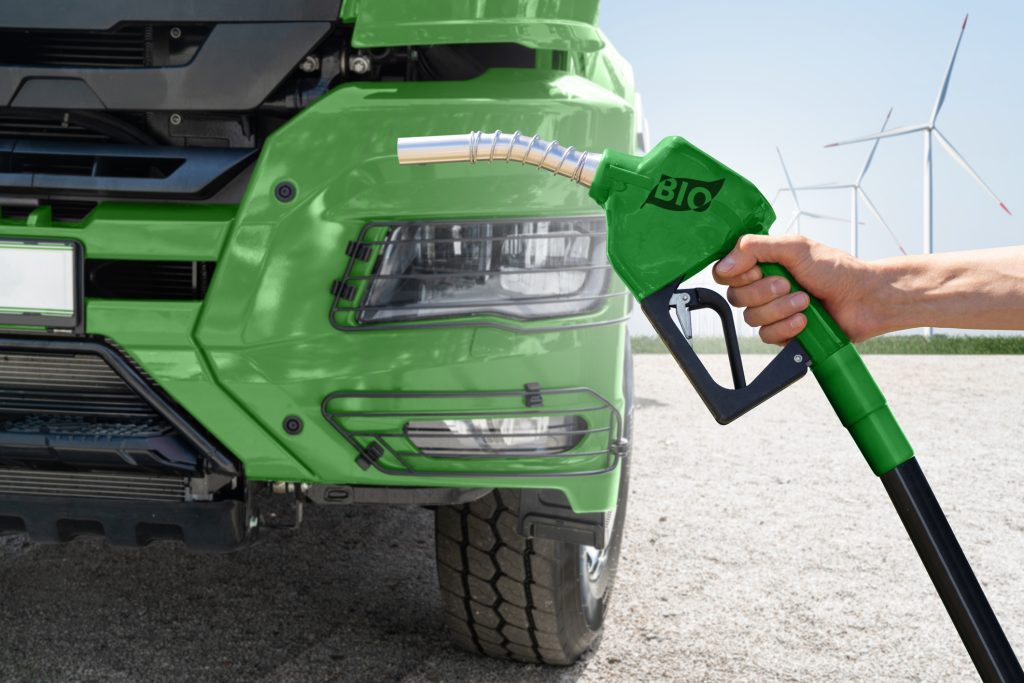
Managing fuel expenses is one of the biggest challenges facing transport companies, logistics operators, and businesses with multiple vehicles. With fluctuating petrol and diesel prices, keeping accurate records of fuel consumption has become essential.
Fuel usage reporting in Nigeria helps businesses understand how much fuel their vehicles consume, identify unnecessary spending, and make better transport decisions.
For companies operating across Lagos, Abuja, Port Harcourt, and other Nigerian cities, proper fuel monitoring can significantly improve daily fleet operations.
How Nigerian Businesses Lose Money Through Poor Fuel Tracking
Many businesses still depend on handwritten fuel records, driver receipts, and occasional expense summaries.
Unfortunately, these methods often create gaps in financial reporting.
A delivery company operating ten vehicles across Lagos may struggle to determine whether increased fuel expenses result from traffic congestion, longer delivery routes, or unauthorized fuel purchases.
Without reliable records, management cannot easily identify the problem.
Common issues include:
- Drivers submitting incomplete fuel receipts.
- Unrecorded fuel purchases during interstate journeys.
- Excessive engine idling during deliveries.
- Poor vehicle maintenance increasing consumption.
- Differences between reported mileage and actual fuel usage.
Regular reporting makes these problems easier to investigate.
What Fuel Usage Reporting in Nigeria Should Include
An effective fuel report should provide more than the total amount spent at filling stations.
Businesses should track essential operational information, including:
- Vehicle registration number and assigned driver.
- Fuel purchased in litres.
- Amount spent on each purchase.
- Vehicle mileage before and after refuelling.
- Distance travelled during each reporting period.
- Fuel consumption per kilometre.
- Unusual changes in consumption.
For example, a truck travelling from Lagos to Abuja may consume more fuel when carrying heavy cargo than when returning empty.
Comparing both journeys without considering cargo weight could produce misleading results.
Accurate reporting should account for vehicle type, road conditions, load capacity, and travel distance.
How to Reduce Fuel Expenses Across Lagos Delivery Routes
Lagos traffic creates additional challenges for businesses managing delivery vehicles.
A van travelling between Ikeja, Victoria Island, and Lekki may spend several hours in congestion, particularly during morning and evening rush periods.
Businesses can improve fuel efficiency by planning deliveries around traffic patterns and reducing unnecessary trips.
Combining deliveries within nearby locations also helps minimize repeated journeys.
For example, scheduling multiple deliveries around Lekki Phase 1 before proceeding to Ajah can reduce unnecessary movement.
Routine vehicle servicing is equally important because poorly maintained engines, underinflated tyres, and mechanical problems can increase fuel consumption.
Using Fuel Reports to Manage Interstate Transport
Fuel monitoring becomes particularly important when vehicles operate between Nigerian states.
A logistics company transporting goods from Lagos to Ibadan, Abuja, or Benin City needs accurate information about journey expenses.
Managers should compare fuel consumption across similar routes while considering traffic delays, cargo weight, and vehicle condition.
Monthly reports can reveal vehicles consistently consuming more fuel than expected.
However, unusual figures should trigger investigation rather than automatic accusations against drivers.
Mechanical faults, road diversions, and prolonged congestion may explain increased consumption.
How Travo.ng Supports Better Transport Cost Management
Reliable transport planning can complement fuel reporting by reducing unnecessary vehicle movement.
Travo.ng provides transport coordination, cargo logistics, courier services, and business logistics support for customers managing deliveries across Nigeria.
Businesses can use these services to organize vehicle requirements, coordinate shipments, and plan more efficient delivery arrangements.
For companies reviewing transportation expenses, combining accurate fuel records with organized logistics operations provides better visibility into overall costs.
Travo.ng can support the transport coordination side of this process, while businesses maintain their own fuel consumption records and reporting systems.
Start Managing Fuel Expenses With Accurate Records
Effective fuel management begins with consistent documentation and realistic performance comparisons.
Businesses should review fuel purchases weekly, investigate unusual consumption patterns, and use monthly reports to guide transport decisions.
With proper fuel usage reporting in Nigeria, companies can reduce avoidable expenses, improve accountability, and maintain better control over fleet operations.
For businesses seeking practical transport and logistics coordination, Travo.ng offers services that can help simplify daily operations and support more cost-conscious delivery planning.
