


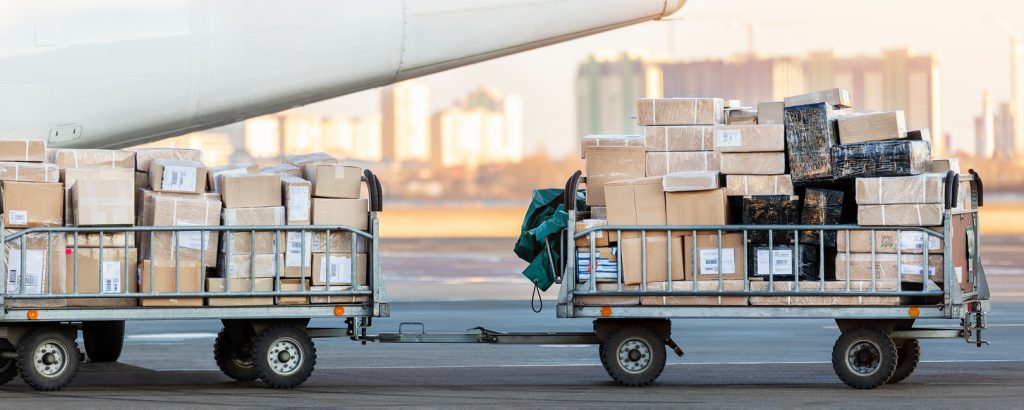
Sending goods by air is often the fastest way to move important cargo between Nigerian cities or from Nigeria to international destinations. But speed does not remove the need for proper documentation, packaging, cargo declarations, and airport procedures.
A practical air freight compliance checklist in Nigeria helps businesses and individuals prepare shipments before they reach the cargo terminal. This is especially important when moving commercial goods through airports such as Murtala Muhammed International Airport in Lagos or Nnamdi Azikiwe International Airport in Abuja.
Missing one document or packing an item incorrectly can lead to inspection delays, rejected cargo, storage charges, or a missed flight.
Confirm Exactly What You Are Shipping
Before arranging pickup or requesting an air freight quote, identify the cargo properly.
The description should be more specific than terms such as “goods,” “samples,” or “equipment.” A shipment described as 20 cartons of clothing is easier to process than one declared simply as merchandise.
Confirm:
- Type and quantity of goods
- Total shipment weight
- Number and dimensions of packages
- Cargo value
- Origin and destination
- Whether the goods are fragile, perishable, restricted, or hazardous
Accurate information also helps the logistics provider determine the correct freight arrangement and avoid unexpected airport handling issues.
Prepare the Documents Before Cargo Reaches the Airport
Documentation is one of the most common causes of air cargo delays.
Requirements depend on whether the shipment is domestic or international, but businesses should usually prepare commercial documents before dispatching the cargo.
These may include invoices, packing lists, airway bill information, identification details, permits, certificates, and other documents required for the particular commodity.
International cargo may require additional customs documentation depending on the destination country and type of goods.
Do not wait until the cargo is already at the terminal before checking documentation. Correcting paperwork after airport processing has started can disrupt the planned shipment.
Check Whether the Goods Have Special Restrictions
Not everything can be placed on an aircraft as ordinary cargo.
Items containing batteries, chemicals, liquids, aerosols, medical materials, flammable products, or certain electronic components may require additional checks or special handling.
For example, a Lagos business shipping electronic equipment to Abuja should disclose if the equipment contains lithium batteries instead of packing everything inside cartons without informing the freight handler.
Failure to declare restricted materials can result in rejected shipments and serious compliance problems.
Package Cargo for Air Freight Handling
Air cargo normally passes through several handling points before reaching the receiver. Packaging therefore needs to survive loading, screening, movement within terminals, and final delivery.
Use strong cartons, crates, protective wrapping, or pallets depending on the cargo.
Labels should be readable and should match the shipment documentation.
Fragile items need internal cushioning rather than relying only on “Fragile” stickers. Heavy equipment may require wooden crating, while temperature-sensitive cargo can require specialised packaging and coordinated handling.
Travo.ng can support businesses with cargo logistics and transport coordination when shipments need to move from offices, warehouses, or suppliers to the airport.
Leave Enough Time for Screening and Cargo Acceptance
Air freight does not usually mean dropping a parcel at the airport minutes before departure.
Cargo may need weighing, documentation checks, security screening, customs processing, and airline acceptance before loading.
Businesses sending time-sensitive goods should build these processes into their delivery schedule.
For example, if products must reach Abuja for an event the following morning, arranging cargo movement early is safer than assuming an evening airport drop-off guarantees overnight delivery.
Peak travel periods can also increase pressure on airport cargo operations.
Air Freight Compliance Checklist in Nigeria Before Dispatch
Before releasing a shipment, confirm that:
- Cargo description is accurate
- Weight and dimensions have been checked
- Packaging is suitable for air transport
- Shipping labels match the documents
- Commercial documents are complete
- Restricted or hazardous items have been declared
- Required permits or certificates are available
- Pickup and airport delivery have been coordinated
- Receiver details are correct
- Someone is available to handle destination clearance or collection
A five-minute check before dispatch can prevent several hours or even days of avoidable delay.
Make Air Cargo Coordination Easier With Travo.ng
Air freight involves more than booking space on an aircraft. The shipment still has to move from the sender to the airport, pass the required checks, travel to its destination, and reach the final receiver.
Travo.ng helps individuals and businesses coordinate cargo logistics, courier deliveries, transport, and related movement across Nigeria.
Whether you are sending business stock from Lagos, arranging urgent cargo to Abuja, or coordinating a shipment that requires airport handling and final-mile delivery, proper preparation makes the process considerably smoother.
Use this air freight compliance checklist in Nigeria before every shipment, then schedule the required logistics support with Travo.ng so your cargo starts its journey correctly prepared.
