


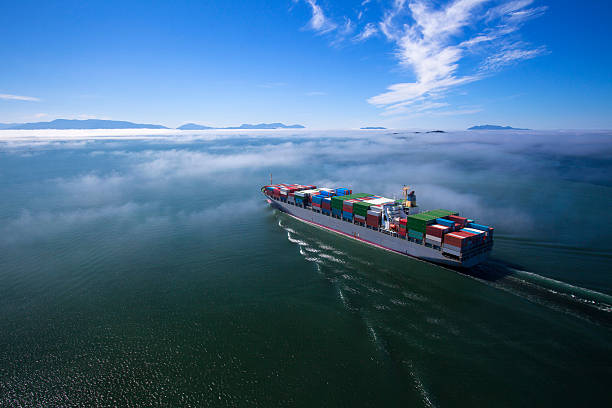
For businesses and individuals shipping vehicles, heavy machinery, or wheeled cargo internationally, RORO shipping is often one of the most practical freight options available. Instead of loading cargo into containers, vehicles are simply driven onto the vessel and secured for transport.
In Nigeria, RORO shipping is commonly used for:
- Cars and SUVs
- Trucks and buses
- Construction equipment
- Agricultural machinery
- Commercial vehicles
The challenge for many customers has always been payment, especially when shipping companies issue invoices in dollars. Today, however, many freight providers now support RORO shipping in Nigeria with payment in Naira, making vehicle shipping more accessible without direct FX stress.
What RORO Shipping Actually Means
RORO stands for Roll-On Roll-Off shipping.
This means:
- Vehicles are driven onto the ship at the departure port
- Cargo remains mobile during loading and unloading
- Vehicles are driven off at the destination port
Unlike container shipping, RORO does not require the vehicle to be loaded into a container, which often reduces handling complexity for wheeled cargo.
Why Nigerians Use RORO Shipping
RORO shipping is widely used because it is practical for:
- International vehicle imports
- Exporting commercial vehicles
- Relocation vehicle shipping
- Heavy equipment transport
- Bulk automobile movement
It is especially common for routes involving:
- Lagos to Europe
- Lagos to North America
- Vehicle imports through Nigerian ports
Why RORO Shipping Is Usually Priced in Dollars
RORO freight is part of international maritime shipping systems, so charges are usually tied to:
- USD-based ocean freight rates
- Port handling fees
- Vessel operating costs
- Terminal charges
- Customs and documentation fees
Even when vehicles are shipped from Nigerian ports like Apapa or Tin Can, pricing is still connected to global shipping markets.
The Biggest Problem Customers Face
For many Nigerians, the difficult part is not arranging the shipment — it is making payment.
Common issues include:
- Difficulty sourcing foreign currency
- Exchange rate fluctuations increasing shipping cost
- Delays funding domiciliary accounts
- Failed international card transactions
- Vehicle shipment delays after invoice issuance
For dealerships and importers moving multiple vehicles, these delays can seriously affect operations.
How RORO Shipping With Naira Payment Works
Many logistics providers now simplify this process by converting shipping costs into Naira.
The process usually works like this:
- Vehicle details are submitted (type, dimensions, destination)
- Freight and port handling charges are calculated
- Total amount is converted into Naira
- Customer receives local invoice
- Payment is made through Nigerian banking channels
- Vehicle is booked for vessel loading and shipment
This removes the need for direct FX transactions.
Example: Vehicle Shipment From Lagos to Canada
A car dealer in Lagos wants to ship SUVs to Canada.
Traditional process:
- Receive freight invoice in USD
- Search for FX payment solution
- Delay booking while arranging dollars
Modern Naira-payment process:
- Receive RORO quote in Naira
- Pay locally via bank transfer
- Vehicles are booked immediately
- Shipment proceeds without FX delay
This improves logistics planning and delivery schedules.
What Can Be Shipped Through RORO?
RORO vessels commonly handle:
- Cars and SUVs
- Trucks and buses
- Vans and commercial vehicles
- Forklifts and industrial equipment
- Agricultural machinery
- Construction equipment
- Mobile wheeled cargo
It is ideal for anything that can roll onto the vessel.
Why Businesses Prefer Paying in Naira
Naira-based payment helps businesses with:
- Easier financial planning
- Faster shipment approval
- Reduced FX uncertainty
- Better cash flow management
- Simpler accounting and invoicing
For vehicle dealers and equipment importers, predictable freight costs are extremely important.
Common Mistakes That Delay RORO Shipments
Many customers experience avoidable delays due to:
- Incomplete vehicle documentation
- Delayed payment causing missed vessel schedules
- Using unverified freight agents
- Ignoring customs requirements
- Not confirming total shipping costs upfront
These mistakes can increase both cost and delivery time.
How Travo.ng Supports RORO Shipping in Naira
With Travo.ng, businesses and individuals in Nigeria can arrange RORO shipping services and pay locally in Naira.
This supports:
- Vehicle export and import logistics
- RORO vessel booking
- Commercial vehicle shipping
- Heavy equipment transport coordination
- International freight planning
The process is straightforward:
- Request RORO shipping quotation
- Receive pricing in Naira
- Pay locally through Nigerian banks
- Vehicle shipment is booked and processed
This is especially useful for dealerships, exporters, relocation customers, and businesses shipping wheeled cargo internationally.
Important Things to Understand
Even when paying in Naira:
- RORO freight rates still depend on global shipping markets
- Port and customs charges may apply separately
- Vehicle inspection requirements still apply
- Vessel schedules can affect shipment timing
Local payment simplifies access but does not change international shipping procedures.
Final Insight
RORO shipping in Nigeria with Naira payment is making international vehicle logistics more practical for businesses and individuals.
Instead of struggling with dollar payments and FX delays, customers can now pay locally while accessing global vehicle shipping services more efficiently.
For dealerships, importers, exporters, and vehicle owners, this has become one of the most convenient ways to manage international automobile shipping from Nigeria today.
