


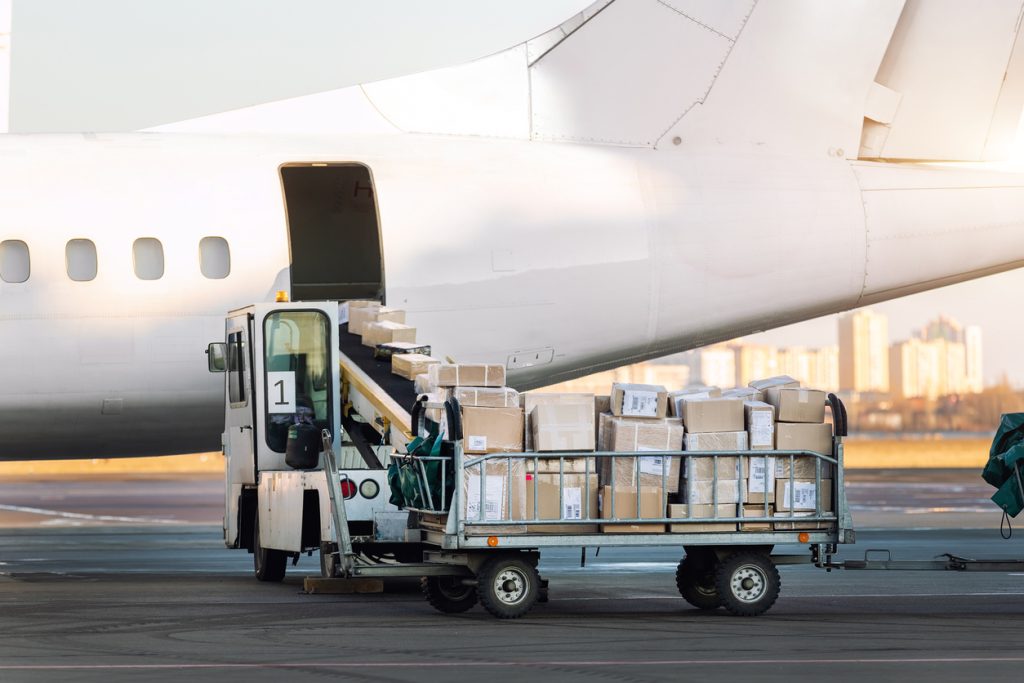
Air cargo can arrive in Nigeria within hours, but getting it out of the airport is often where the real work begins. Documentation, customs assessment, terminal handling, duty payments, inspections, and final delivery all have to be coordinated properly.
This is why businesses and individuals often work with an experienced air freight clearing agent in Nigeria instead of trying to manage the process themselves.
Whether your shipment contains machinery parts, electronics, commercial samples, fashion items, medical equipment, or urgent business supplies, the quality of your clearing arrangement can determine whether the goods leave the airport quickly or spend unnecessary days accumulating charges.
What Happens After Your Air Cargo Lands in Nigeria?
For cargo arriving through airports such as Murtala Muhammed International Airport in Lagos or Nnamdi Azikiwe International Airport in Abuja, landing is only one stage of the shipment.
The clearing process may involve:
- Confirming the airway bill and cargo arrival details
- Collecting and reviewing shipping documents
- Processing customs declarations
- Handling applicable duties and statutory charges
- Coordinating cargo examination where required
- Settling airline or terminal handling charges
- Obtaining cargo release
- Arranging pickup and onward delivery
Problems usually start when documentation does not match the shipment. An incorrect description, missing invoice, wrong consignee information, or classification issue can slow down clearance considerably.
A competent clearing agent should therefore review the paperwork before or immediately after arrival rather than waiting until the cargo is already attracting additional storage costs.
How Long Does Air Freight Clearance Usually Take?
There is no single clearance time that applies to every shipment.
Straightforward cargo with complete documentation can move considerably faster than shipments requiring additional examination, permits, valuation checks, or clarification from the importer.
For example, a Lagos business importing urgent replacement components will usually want documentation prepared before the flight arrives. Waiting until the cargo is sitting at the terminal before starting the process can defeat the purpose of paying for air freight in the first place.
Public holidays, weekends, peak import periods, documentation problems, and regulatory requirements can also affect timelines.
When requesting air freight clearance in Nigeria, provide your agent with the airway bill, commercial invoice, packing list, cargo description, consignee information, and any relevant permits as early as possible.
Your Clearing Cost Is More Than the Customs Duty
One common mistake is asking, “How much is clearing?” without providing details about the shipment.
Air cargo clearing costs can depend on several factors, including the nature and value of the goods, weight, applicable tariff classification, airport terminal charges, storage period, documentation requirements, and delivery destination.
Two shipments weighing 100kg can have very different clearance costs if one contains low-value spare parts and the other contains expensive commercial electronics.
Before accepting a quotation from an air freight clearing agent in Nigeria, ask what the price covers. A useful estimate should separate statutory charges from handling, transport, storage, and other operational expenses where applicable.
This makes it easier to understand the real landed cost of the shipment.
Avoid Leaving Cargo at the Airport Longer Than Necessary
Air freight is normally chosen because speed matters. Yet importers sometimes lose that advantage by leaving cargo unclaimed while documentation problems are resolved.
Storage and related terminal charges can increase the longer goods remain uncleared.
Businesses importing stock should also consider the commercial cost of the delay. If a restaurant is waiting for equipment, a construction company needs a replacement component, or a retailer is expecting inventory for a sales period, every extra day can affect operations.
Preparing clearance before arrival is usually more efficient than reacting after the shipment has landed.
Clearing the Cargo Is Only Half the Job
Cargo release from the airport does not automatically solve the final delivery problem.
Once cleared, goods may still need to move from the cargo terminal to Ikeja, Lekki, Victoria Island, Apapa, Ibadan, Abuja, Port Harcourt, or another destination.
This is where coordinated logistics becomes important.
Travo.ng can support businesses and individuals that need air cargo clearance alongside cargo logistics, delivery services, transport coordination, courier support, and business logistics services.
Instead of arranging one provider for clearance and another at the last minute for transportation, the movement can be planned from airport arrival through final delivery.
What to Send Before Requesting a Clearing Quote
If you want a realistic quotation, avoid sending only the shipment weight.
Provide as much of the following as possible:
- Airway bill
- Commercial invoice
- Packing list
- Description of the goods
- Quantity and weight
- Country of origin
- Airport of arrival
- Expected arrival date
- Final delivery location
For regulated or specialised goods, additional documentation may be required.
The earlier these details are available, the easier it is to identify potential problems before they cause delays.
When you need an air freight clearing agent in Nigeria, the best option is not simply the person offering the lowest clearing figure. Look for someone who understands documentation, airport procedures, customs requirements, cargo handling, and the practical challenge of getting the shipment from the terminal to its final destination.
Travo.ng provides coordinated logistics support for customers who want a simpler way to clear, transport, and deliver air freight across Nigeria.
