


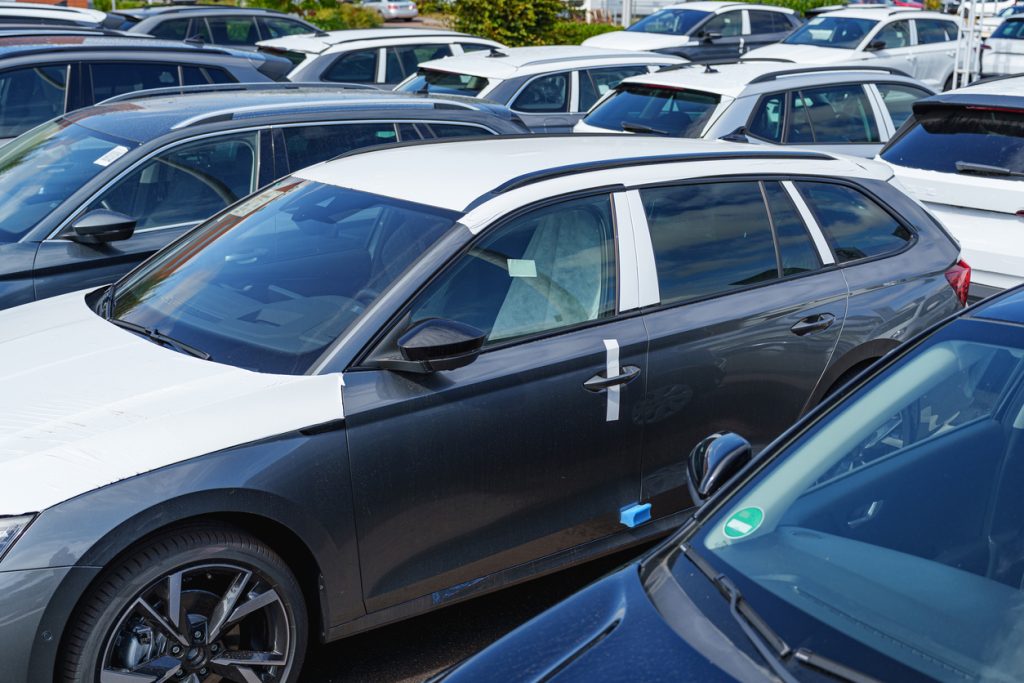
Clearing an imported vehicle at the port is not the last step before putting it on the road. Car registration after customs clearance Nigeria requires you to move from Customs documentation to the vehicle registration process, where the car is properly recorded and issued the documents and number plate required for legal use.
This stage is where some buyers run into problems. A vehicle may have left Tin Can, Apapa or another clearance point successfully, but an error in the chassis number, incomplete Customs documents or mismatched ownership details can delay registration.
Here is what you should expect after your vehicle has been cleared.
Check Your Customs Documents Before Leaving the Clearance Stage
Do not wait until you reach a registration centre before checking the paperwork.
For an imported vehicle, Nigeria’s National Road Traffic Regulations require evidence of payment or exemption from import duty when applying for registration.
Pay particular attention to:
- Vehicle Identification Number or chassis number
- Make and model
- Year of manufacture
- Import and duty documentation
- Name or ownership information
- Receipts supplied during the transaction
The chassis number on the vehicle should correspond with the number appearing on the documents.
Nigeria Customs also operates systems for verifying vehicle clearance status. Its Customs Verification Management System allows vehicle duty status to be checked using the VIN or chassis number, helping buyers confirm that duty has actually been paid.
This check is especially important when buying an already-cleared vehicle from a dealer rather than clearing it yourself.
What Happens During Vehicle Registration
Vehicle registration is handled through Nigeria’s vehicle registration system and approved registration centres. The FRSC NVIS system collects details including the vehicle make, model, engine number, chassis number, year of manufacture and owner’s identification information.
Depending on the state and type of vehicle, the process generally involves presenting the required documents, vehicle inspection and completing the registration application.
Approved registration locations include state Boards of Internal Revenue and Motor Licensing offices across Nigeria.
Once the registration is successfully processed, a first-time vehicle registered in Nigeria can be assigned a number plate and vehicle licence.
NIN has also been required for vehicle registration since 2021, so applicants should ensure their identification details are correct before starting the process.
Documents You Should Keep Together
Before heading for registration, organise your paperwork in one folder. Depending on your vehicle and state, you may need documents relating to:
- Customs duty and clearance
- Vehicle purchase or dealer invoice
- Payment receipt
- Proof of ownership
- Personal identification and NIN
- Vehicle inspection
- Insurance
Requirements and charges can differ by vehicle category and state, so confirm the current fees at an approved registration centre instead of relying on an old price quoted by a dealer or agent.
Problems That Commonly Delay Registration
One surprisingly common problem is a VIN entered incorrectly during clearance. Even a single wrong character can create complications when vehicle information is being verified.
Other problems include buying a vehicle without checking the Customs documents, inconsistent names across documents and attempting to register with incomplete purchase records.
If you are buying a cleared car in Lagos and plan to take it to Abuja, Port Harcourt, Benin City or another state, check these details before arranging interstate movement. Fixing a documentation problem while the vehicle is still close to the seller or clearing agent is usually easier than discovering it hundreds of kilometres away.
Moving Your Vehicle After Customs Clearance
A newly cleared vehicle may still need to be moved from the port, terminal, dealer location or holding facility before registration arrangements are completed.
This is where proper transport coordination matters.
Travo.ng can assist with vehicle movement, transport coordination and related logistics, particularly when a car needs to move between Lagos and another Nigerian city. Businesses importing several vehicles can also coordinate their wider cargo and transport requirements instead of managing separate drivers and movements individually.
For owners travelling to collect or process their vehicles, Travo.ng can also assist with relevant travel bookings, hotel reservations, airport pickups and vehicle hire where needed.
Register the Vehicle Before Treating It as Road-Ready
Customs clearance proves that the import process has been handled; it does not replace vehicle registration.
Complete your car registration after customs clearance Nigeria process, verify the Customs documentation and make sure the vehicle details match before relying on the car for everyday travel.
Taking care of the paperwork immediately after clearance can save you from registration delays, document disputes and avoidable problems during future vehicle verification or resale.
