


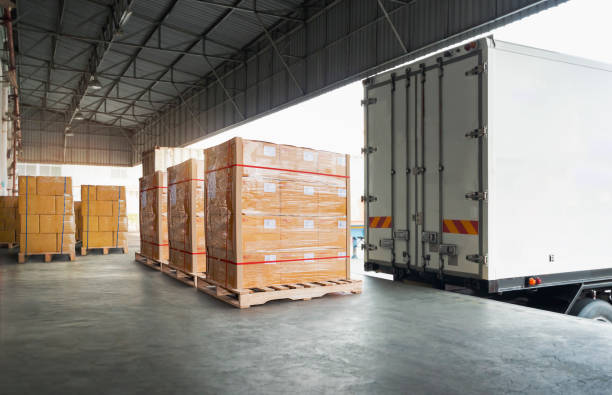
Finding a reliable logistics company in Nigeria is not simply about finding someone who can move a package from one address to another. The real challenge is getting your item picked up on time, handled properly, transported along the right route, and delivered without unnecessary delays.
That matters even more in Nigeria, where traffic, road conditions, interstate distances, weather, security considerations, and last-minute changes can all affect a delivery.
A parcel moving from Lekki to Ikeja is a very different operation from cargo travelling from Lagos to Abuja. A business sending products to customers every day also has different requirements from someone relocating household belongings to another state.
The right logistics partner should understand these differences and help you choose a practical way to move what you need, where you need it.
What a Logistics Company Actually Handles in Nigeria
Logistics covers much more than simply transporting parcels.
Depending on the provider and your requirements, logistics services can involve:
- Parcel and package delivery
- Interstate cargo transportation
- Business and commercial deliveries
- Pickup and drop-off coordination
- Relocation and household item movement
- Airport and travel-related logistics
- Transport coordination
- Vehicle hire
- Scheduled deliveries
- Last-mile delivery
- Cargo handling and movement
For example, a Lagos-based business may receive an order from a customer in Abuja. The job is not finished when the parcel leaves Lagos. Someone has to coordinate collection, choose the appropriate transport option, track the movement, and make sure the item reaches the recipient.
This is where an experienced logistics provider becomes useful.
How Logistics Works Differently Across Nigerian Cities
One mistake people make is assuming that every Nigerian delivery follows the same process.
It doesn’t.
A delivery within Lagos can be heavily affected by traffic around places such as Lekki, Victoria Island, Ajah, Ikeja, Oshodi and the mainland. A trip between Lagos and Ibadan involves a different route and timing consideration, while interstate cargo travelling from Lagos to Abuja, Benin, Port Harcourt or Enugu requires more planning.
Even within the same city, the pickup location can change the delivery experience significantly.
For instance, collecting a package from a business in Victoria Island during a busy weekday afternoon may require a different schedule from collecting goods from a warehouse around Ikeja.
A good logistics company considers these practical details before promising a delivery timeline.
Lagos to Abuja: Why Interstate Deliveries Need More Planning
Lagos-Abuja is one of the major travel and logistics corridors in Nigeria. Businesses, students, families and individuals regularly move parcels and goods between both cities.
But sending something on this route is not simply a matter of putting it on the next available vehicle.
You need to consider:
- What is being transported?
Documents, clothing, electronics, food products and bulky household items may require different handling. - How urgent is the delivery?
A business supplying customers may need a faster option than someone sending non-urgent personal belongings. - How much space does the cargo require?
A small parcel can be handled differently from several cartons or large household items. - Where is the final destination?
Delivery within central Abuja is different from moving goods onward to another part of the FCT or a neighbouring state. - What happens after arrival?
Interstate transport and final-mile delivery are not always the same thing, so this should be clarified before booking.
These details help prevent the common situation where someone assumes that an interstate transport fee automatically covers every stage of delivery.
How Much Does Logistics Cost in Nigeria?
There is no single price for logistics across Nigeria.
The cost normally depends on factors such as:
- Pickup and delivery locations
- Distance
- Package size and weight
- Type of goods
- Number of items
- Delivery urgency
- Vehicle requirements
- Interstate versus local movement
- Whether additional handling is required
For example, moving one small parcel across Lagos will generally cost far less than transporting several cartons from Lagos to Abuja.
Similarly, moving household belongings during a relocation may require a vehicle rather than a standard courier arrangement.
The best approach is to provide accurate pickup and delivery information when requesting a quote. Giving vague information such as “I want to send something to Abuja” makes it difficult for a logistics provider to estimate the actual requirements.
Same-Day Delivery Is Not Always About Distance
A common assumption is that a short-distance delivery should automatically be fast.
In Lagos, that can be misleading.
A parcel travelling a relatively short distance during peak traffic can take longer than expected. The pickup time, road congestion, weather and exact destination can all affect the delivery window.
For urgent deliveries, it helps to schedule the pickup early and provide the recipient’s correct phone number and address.
If the item is going to a large office, estate, hotel or commercial building, also provide useful directions or landmarks where necessary. This can save time when the driver reaches the area.
What Businesses Should Look for in a Logistics Partner
For businesses, choosing a logistics provider is about more than finding the cheapest delivery price.
A dependable logistics company should make it easier to manage recurring deliveries without creating additional administrative work.
Businesses should look at:
- Reliability of pickup and delivery
- Communication during the delivery process
- Coverage across relevant locations
- Ability to handle different package sizes
- Response to delivery issues
- Flexibility for recurring orders
- Clear pricing
- Proper coordination of drivers and transport
- Ability to support interstate movement
A fashion business in Lagos, for example, may need to send several customer orders outside the state every week. A restaurant or food business may need shorter-distance deliveries within Lagos. A distributor may need regular movement of cartons between cities.
The logistics solution should match the business rather than forcing every delivery into the same model.
Common Mistakes People Make When Sending Goods
Even when a logistics provider is reliable, customers can create avoidable delays by providing incomplete information.
1. Giving an incomplete address
“Send it to Ikeja” is not enough information for most deliveries.
Provide the street, building name or number, estate where applicable, recipient’s name and phone number.
2. Underestimating the size of the shipment
A customer may describe a shipment as “just a few things” only for the driver to discover several large cartons.
Be specific about the number and approximate size of your items.
3. Waiting until the last minute
If something must arrive before a particular date, don’t wait until the final possible day to arrange transportation.
Allow room for traffic, operational delays and unexpected changes.
4. Using the wrong delivery option
A small document does not require the same logistics arrangement as furniture or several cartons of merchandise.
The transport method should reflect what is being moved.
5. Not confirming the recipient’s availability
A successful delivery requires someone to receive the item.
If the recipient is unavailable, the driver may have to wait, reschedule or make another trip.
When You Need More Than a Courier Service
Courier delivery works well for smaller packages, but some situations require a broader logistics arrangement.
You may need a more coordinated service if you are:
- Moving household belongings between states
- Transporting several cartons of products
- Supplying multiple business locations
- Coordinating goods with a travel schedule
- Moving items to or from an airport
- Arranging transport for a group
- Combining delivery with vehicle hire
- Managing recurring business transportation
For example, someone relocating from Lagos to Abuja may need to move clothing, appliances, documents and other household belongings. Treating that as an ordinary parcel delivery may not be practical.
A logistics provider can help determine the appropriate transport arrangement based on the quantity and nature of the items.
Why Local Knowledge Matters When Choosing a Logistics Company in Nigeria
Logistics looks straightforward on paper: collect, transport and deliver.
The reality is more complicated.
A provider operating in Nigeria needs to understand local routes, traffic patterns, major transport corridors, delivery addresses, customer expectations and the practical difficulties that can arise during movement.
That local knowledge becomes particularly valuable when a delivery crosses state boundaries or involves several stages.
It also helps when customers need more than a one-off parcel delivery and require coordinated transport, cargo movement or relocation support.
How Travo.ng Can Help With Your Logistics Needs
Travo.ng provides logistics and mobility solutions designed around the practical requirements of moving people and goods in Nigeria.
Depending on what you need to move, you can use Travo.ng for services such as delivery and courier arrangements, cargo logistics, transport coordination, relocation support, airport pickups and vehicle hire.
The advantage of using a service that understands both transportation and logistics is that you can plan the movement around the actual situation instead of trying to fit every requirement into a basic courier service.
For businesses, this can also make recurring deliveries easier to coordinate. For individuals, it can reduce the stress involved in moving belongings, sending important items or arranging transportation between locations.
What to Provide When Booking a Logistics Service
Before requesting a logistics service, have the following information ready:
- Pickup location
- Delivery location
- Recipient’s name and phone number
- Description of the goods
- Number of packages or items
- Approximate size and weight
- Preferred delivery date
- How urgent the delivery is
- Any special handling requirements
Providing this information upfront makes it easier to determine the appropriate transport option and avoid surprises later.
Choosing a Logistics Company Should Come Down to More Than Price
The cheapest quote is not necessarily the cheapest option if a delayed or poorly handled delivery creates additional costs.
For personal deliveries, that could mean replacing a damaged item or making another trip. For businesses, a late shipment could mean an unhappy customer, missed sales or disruption to operations.
When comparing a logistics company in Nigeria, look at the complete service: communication, route knowledge, delivery coordination, transport options and how well the provider understands your particular requirement.
For customers who need to move parcels, cargo, household belongings or other goods within Nigeria, Travo.ng offers a practical starting point for arranging the transportation and logistics support required.
The goal is simple: get the right item from the right place to the right destination, with fewer avoidable complications along the way.
