


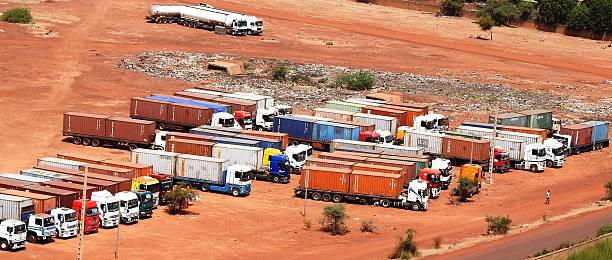
Managing the movement of goods between African countries can be challenging when the person arranging the logistics is outside the continent. Cross-border logistics Africa from abroad involves coordinating transportation, deliveries, documentation, and other logistics requirements remotely.
This can be useful for international businesses, importers, exporters, wholesalers, manufacturers, e-commerce companies, and Africans in the diaspora who manage businesses or supply chains across African markets.
What Is Cross-Border Logistics in Africa?
Cross-border logistics involves moving goods from one African country to another across an international border.
For example, a business may need to move goods from Nigeria to Ghana or from Kenya to Uganda.
When the person arranging the service is abroad, the entire process may need to be coordinated remotely, including the transport booking and payment.
Who Needs Cross-Border Logistics?
Cross-border logistics can be useful for:
- Importers.
- Exporters.
- Manufacturers.
- Wholesalers.
- Distributors.
- E-commerce businesses.
- International companies.
- Agricultural businesses.
- Retailers.
- Africans living abroad with businesses in Africa.
Businesses operating across multiple African markets often need reliable transportation between suppliers, warehouses, and customers.
Common Cross-Border Logistics Routes
Depending on the goods, regulations, and available transport services, businesses may move products between markets such as:
- Nigeria and Ghana.
- Ghana and Côte d’Ivoire.
- Kenya and Uganda.
- Kenya and Tanzania.
- South Africa and neighbouring countries.
- Zambia and Zimbabwe.
- Rwanda and Uganda.
The requirements differ depending on the countries involved and the type of cargo.
What Can Be Transported Across African Borders?
Depending on applicable regulations and the logistics provider, cross-border transportation may involve:
- Commercial products.
- Agricultural goods.
- Manufactured goods.
- Building materials.
- Machinery.
- Industrial equipment.
- Packaged products.
- Retail inventory.
Some goods may require permits, certificates, special handling, or additional documentation.
Always confirm that the goods are permitted for the intended route before booking.
How to Arrange Cross-Border Logistics From Abroad
Step 1: Identify the Cargo
Provide accurate information about the goods.
This may include:
- Product description.
- Quantity.
- Weight.
- Dimensions.
- Packaging.
- Value where required.
- Special handling requirements.
Step 2: Provide Pickup and Delivery Details
Give the logistics provider the full:
- Pickup address.
- Delivery address.
- Country.
- City.
- Border crossing where applicable.
- Supplier details.
- Recipient details.
Accurate information helps the provider plan the route.
Step 3: Confirm Border Requirements
Cross-border transportation may require documents depending on the goods and countries involved.
These could include:
- Commercial invoices.
- Packing lists.
- Customs documents.
- Certificates.
- Permits.
- Identification or business documentation.
The exact requirements vary by country, cargo type, and transaction.
Step 4: Request a Logistics Quote
The cost may depend on:
- Distance.
- Cargo weight.
- Cargo volume.
- Vehicle type.
- Route.
- Border procedures.
- Loading and unloading.
- Waiting time.
- Additional logistics requirements.
Ask what is included in the quote before confirming the booking.
Step 5: Confirm International Payment
Customers abroad should confirm how the logistics service can be paid for.
Depending on the provider, payment options may include:
- International debit cards.
- Credit cards.
- Payment links.
- International bank transfers.
- Other supported payment methods.
If the customer wants to pay in GBP, USD, EUR, CAD, AED, RMB, or another currency, confirm whether it is supported.
Step 6: Complete Payment
If the logistics quote is provided in a local African currency, check the foreign-currency equivalent before paying.
Review:
- Exchange rate.
- Final amount.
- Currency conversion fees.
- Payment processing charges.
- International transaction fees.
Step 7: Confirm the Booking
Keep the booking reference, receipt, cargo details, and logistics contact information.
Step 8: Monitor the Shipment
If tracking or regular updates are available, the customer can monitor the shipment remotely.
Updates may include:
- Pickup confirmation.
- Departure.
- Border arrival.
- Customs processing.
- In-transit status.
- Delivery confirmation.
Cross-Border Logistics From the UK
A UK-based business may need to coordinate the movement of goods between African countries while managing the operation remotely.
For example:
Nigeria Supplier → Cross-Border Transport → Ghana Warehouse → Customer
The business owner can coordinate the logistics from the UK where remote booking and international payment are supported.
Cross-Border Logistics From the USA
Businesses in the United States may work with suppliers or customers in multiple African markets.
Remote logistics booking can allow them to coordinate transportation between African countries without having an employee present at every location.
Cross-Border Logistics From Canada
Canadian businesses and diaspora entrepreneurs may also need to coordinate African supply chains remotely.
The customer can arrange transportation, confirm documentation, and make payment where the provider supports international transactions.
Cross-Border Logistics From Europe
Businesses across Europe may coordinate African trade and logistics while managing transportation from abroad.
Payment may be possible in EUR, GBP, or another supported currency, depending on the provider.
Cross-Border Logistics From China
Chinese businesses supplying or purchasing goods from African companies may need transportation between African markets after goods arrive in the region.
For example:
African Supplier → Border Transport → Warehouse → Distributor
The logistics arrangement can be managed remotely where suitable services are available.
Cross-Border Logistics From Dubai
Businesses based in Dubai may also manage African supply chains remotely.
They may need to coordinate the movement of goods between suppliers, warehouses, distributors, and customers across different African countries.
Nigeria Cross-Border Logistics From Abroad
Nigeria is an important starting or destination market for regional trade.
A customer abroad may need to arrange:
- Supplier pickup.
- Intercity transportation.
- Border transportation.
- Warehouse transfers.
- Delivery to another African country.
For example:
Lagos → Nigeria Border → Ghana → Accra
The exact route and requirements depend on the cargo and border procedures.
Ghana Cross-Border Logistics From Abroad
Ghana is also an important regional logistics market.
A business may need to move goods between Ghana and neighbouring countries such as Côte d’Ivoire, Togo, or Burkina Faso.
Customers abroad should confirm the required documents and route before booking.
Kenya Cross-Border Logistics From Abroad
Kenya can serve as a logistics hub for East African trade.
Businesses may arrange transportation between Kenya and neighbouring markets such as Uganda or Tanzania.
South Africa Cross-Border Logistics From Abroad
Businesses operating in Southern Africa may need to move commercial goods between South Africa and neighbouring countries.
The vehicle, route, border requirements, and documentation depend on the specific shipment.
Cross-Border Logistics With Travo.ng
Travo.ng can help customers arrange transportation and logistics services within Nigeria.
For cross-border movements involving Nigeria, customers should provide complete shipment and route information and confirm whether the required cross-border service is available before booking.
Information may include:
- Pickup location.
- Delivery location.
- Destination country.
- Cargo description.
- Quantity.
- Estimated weight or volume.
- Vehicle requirements.
- Preferred service date.
- Supplier or recipient contact details.
Where international payment is available for a particular booking, customers abroad should confirm the supported currency, payment method, exchange rate, applicable fees, and final amount before completing payment.
For cross-border services outside Nigeria, customers should confirm whether the required countries and route are covered.
How to Track Cross-Border Cargo From Abroad
Remote tracking can be particularly useful for international customers.
Depending on the logistics provider, updates may be available through:
- Online tracking.
- WhatsApp.
- Email.
- SMS.
- Customer support.
Cross-border shipments may take longer to update while undergoing border or customs procedures.
What to Check Before Booking
Confirm the Route
Make sure the provider covers both the origin and destination countries.
Check Border Requirements
Find out which documents are needed for the specific cargo.
Confirm the Vehicle
The vehicle should be suitable for the cargo and route.
Check the Total Cost
Understand what the quotation includes and whether border-related charges are included.
Confirm International Payment
Check whether your preferred payment method and currency are accepted.
Keep Documentation
Save invoices, packing lists, receipts, booking references, and other relevant documents.
Common Challenges
Customs and Border Procedures
Cross-border shipments may require additional documentation and processing.
Currency Differences
Different countries use different currencies, while the customer may be paying from abroad.
Payment Restrictions
Not every logistics provider accepts international cards or transfers.
Route Delays
Border procedures, traffic, weather, or road conditions can affect delivery times.
Different Regulations
Import and export requirements vary between African countries.
Planning ahead and confirming the requirements before booking can help reduce delays.
Final Thoughts
Cross-border logistics Africa from abroad allows international customers and businesses to coordinate the movement of goods between African countries without being physically present on the continent.
Whether you are moving goods between Nigeria and Ghana, Kenya and Uganda, or other African markets, confirm the route, cargo requirements, documentation, vehicle, quotation, payment method, and tracking arrangements before booking.
For businesses managing African supply chains remotely, having a reliable logistics partner can make cross-border transportation easier to coordinate.
