


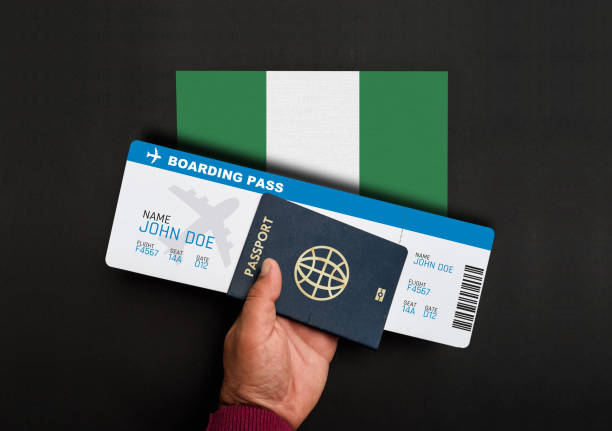
NGO international travel paid in Naira is how non-governmental organizations in Nigeria organize staff travel abroad for humanitarian missions, training, conferences, donor meetings, and field programs—without directly paying in dollars or foreign currencies.
In reality, airline tickets and hotels are priced in USD, GBP, or EUR. But NGOs in Nigeria usually don’t pay foreign providers directly. Instead, they use IATA-accredited travel agencies or NGO travel management partners who convert everything into Naira invoices.
So even though the travel is global, the financial settlement is handled locally in ₦.
What NGO International Travel in Naira Means
It refers to NGO-funded travel for purposes such as:
- Humanitarian missions and relief programs
- International donor meetings
- Training and capacity building workshops
- Conferences and global summits
- Research and field collaborations abroad
All travel costs are centralized and paid in Naira through a Nigerian-based travel system.
How NGOs Pay for International Travel in Naira
The process is structured and compliance-driven:
- NGO requests international travel approval
- Travel agency checks global airline fares (IATA/GDS systems)
- Best routes and compliant options are selected
- Total cost is converted into Naira
- Formal invoice is issued to NGO finance team
- Payment is made via bank transfer or organizational account
- Ticket is issued instantly or within a short processing window
Even though pricing originates globally, NGOs only process Naira payments locally.
Why NGOs Prefer Paying for International Travel in Naira
From real NGO travel operations, Naira billing is preferred because:
- Easier donor fund tracking and accountability
- Simplified financial reporting in local currency
- Reduced exposure to FX volatility
- Faster internal approval and procurement cycles
- Clear audit trail for compliance requirements
Most NGOs operate under strict funding and audit structures, making local currency control essential.
How NGO International Travel Is Managed in Practice
1. NGO Travel Management Agencies (Primary Method)
This is the most widely used system in Nigeria.
How it works:
- NGO submits travel request (e.g., Lagos → Geneva for donor meeting)
- Agency sources flights and compares options
- Compliant fare is selected (budget, policy, donor rules)
- Total cost is converted into Naira
- Invoice is issued to NGO finance department
- Payment is made via bank transfer
- Ticket is issued on airline system
Best for:
- International NGOs
- Humanitarian organizations
- Development agencies
- Health and education NGOs
2. Airline Corporate or Institutional Agreements
Some airlines provide structured agreements for NGOs.
Examples:
- Ethiopian Airlines
- Qatar Airways
- British Airways
- Lufthansa
- Air France / KLM
How it works:
- NGO or partner agency negotiates travel terms
- Discounted or flexible fares may be provided
- Billing is handled in Naira via local agents
- Tickets are issued under approved travel codes
Best for:
- Large NGOs
- Multinational aid organizations
- Long-term development programs
3. Donor-Funded Travel Through Agencies
Some NGO travel is funded directly by donors or international partners.
How it works:
- Donor approves travel budget
- Travel agency manages booking
- Costs are billed in Naira for local NGO processing
- Donor reconciliation is done in reports
Best for:
- Project-based NGOs
- Grant-funded programs
- Research partnerships
Real Example: NGO International Travel Paid in Naira
A typical case:
- Route: Lagos → Brussels
- Purpose: EU donor conference
- Airline: Lufthansa / Air France
- Fare: €750
- Exchange rate: ₦1,500/€
- Final cost: ₦1.1M – ₦1.3M
- Payment: NGO bank transfer in Naira
- Ticket issued: same day
Even though funding is international, payment is fully processed in Naira locally.
Common Challenges in NGO Travel Management
Even with structured systems, NGOs often face:
- Exchange rate fluctuations affecting budgets
- Strict donor compliance restrictions on travel class
- Delays in internal approval processes
- Limited availability of discounted fares
- Documentation requirements for audits
These factors make planning very important.
How NGOs Reduce International Travel Costs in Naira
To manage budgets effectively, NGOs:
- Book early (2–6 weeks ahead)
- Use economy or approved fare classes
- Work with experienced NGO travel agencies
- Avoid peak travel seasons
- Consolidate multiple trips under one travel cycle
Good planning helps protect donor funds and project budgets.
Final Reality of NGO International Travel in Naira
NGO international travel in Nigeria is not locally priced—it is a global airline fare system managed through structured travel agencies and converted into Naira for financial accountability and donor compliance.
Most NGOs prefer this system because it ensures transparency, simplifies reporting, and removes FX uncertainty from project budgets.
The real value is control: accountable spending, smooth logistics, and reliable international mobility for mission-critical work.
