


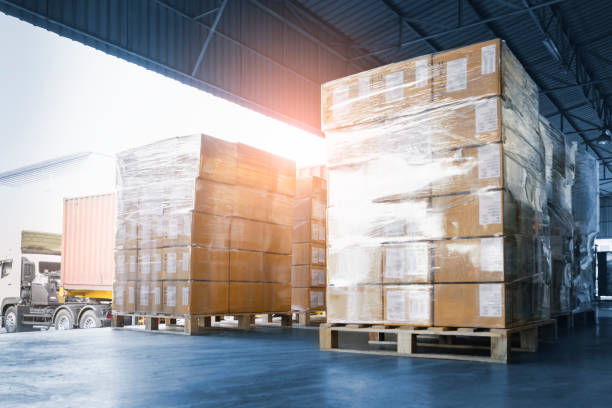
Haulage logistics involves the transportation of goods, materials, and commercial cargo from one location to another, usually using trucks and other heavy-duty vehicles. It plays an important role in Nigeria’s supply chain, helping manufacturers, wholesalers, retailers, distributors, and other businesses move large quantities of goods across cities and states.
For businesses dealing with bulk or heavy cargo, a reliable haulage arrangement can make transportation more organised and efficient.
What Is Haulage Logistics?
Haulage logistics focuses on moving goods by road over short or long distances.
Services may include:
- Commercial cargo transportation.
- Interstate haulage.
- Long-distance transportation.
- Warehouse-to-warehouse movement.
- Factory-to-distributor transportation.
- Port-to-warehouse transportation.
- Heavy equipment transportation.
- Construction material transportation.
- Bulk goods movement.
The type of truck required depends on the size, weight, volume, and nature of the cargo.
Haulage Services in Nigeria
Haulage is used across Nigeria to connect businesses and commercial centres.
Major locations served by haulage transportation include:
- Lagos.
- Abuja.
- Ibadan.
- Ilorin.
- Benin City.
- Port Harcourt.
- Enugu.
- Onitsha.
- Kano.
- Kaduna.
Lagos has particularly high demand for haulage because of its commercial activity, warehouses, industrial areas, distribution centres, and ports.
Common Haulage Routes
Businesses frequently move goods along routes such as:
- Lagos to Abuja.
- Abuja to Lagos.
- Lagos to Ilorin.
- Lagos to Ibadan.
- Lagos to Benin City.
- Lagos to Port Harcourt.
- Lagos to Onitsha.
- Lagos to Kano.
- Abuja to Kaduna.
Delivery times can vary depending on distance, traffic, road conditions, weather, cargo requirements, and the specific transportation arrangement.
What Goods Can Be Transported?
Haulage logistics can be used for many types of commercial goods, including:
- Manufactured products.
- Raw materials.
- Agricultural products.
- Construction materials.
- Machinery.
- Industrial equipment.
- Retail inventory.
- Packaged goods.
- Large commercial shipments.
Some cargo may require specialised vehicles or additional handling arrangements.
Types of Trucks Used for Haulage
Different shipments require different vehicle types.
Common options include:
- Flatbed trucks.
- Cargo trucks.
- Heavy-duty trucks.
- Open-body trucks.
- Refrigerated trucks.
- Tipper trucks.
- Container trucks.
Choosing the appropriate vehicle is important because the truck needs to safely accommodate the cargo.
How Much Does Haulage Cost?
Haulage prices vary from one shipment to another.
The cost may depend on:
- Distance.
- Cargo weight.
- Cargo volume.
- Truck capacity.
- Pickup location.
- Delivery destination.
- Loading and unloading.
- Fuel costs.
- Road conditions.
- Special handling requirements.
A small local haulage job will have different costs from transporting a large commercial shipment across several states.
Haulage for Businesses
Manufacturers and distributors often rely on haulage to move goods between production facilities, warehouses, distribution centres, and customers.
A haulage service can help businesses:
- Move bulk inventory.
- Transport raw materials.
- Replenish warehouses.
- Deliver products to distributors.
- Move equipment between locations.
- Support interstate distribution.
Reliable transportation can help businesses maintain a smoother supply chain.
Factors to Consider When Choosing a Haulage Service
Before arranging haulage transportation, consider:
- Cargo weight.
- Cargo dimensions.
- Truck capacity.
- Route.
- Delivery schedule.
- Loading requirements.
- Unloading arrangements.
- Pricing.
- Driver experience.
- Vehicle condition.
Providing accurate information about the cargo allows the appropriate transportation arrangement to be planned.
Haulage Logistics with Travo.ng
Travo.ng helps individuals and businesses coordinate transportation and logistics solutions for commercial goods and larger cargo requirements.
Arrangements can be considered around:
- Cargo size and weight.
- Pickup location.
- Delivery destination.
- Truck requirements.
- Loading and unloading.
- Interstate transportation.
- Delivery schedules.
- Business distribution needs.
This can be useful for businesses that need to move goods without maintaining their own fleet.
Why Choose Travo.ng?
Haulage requires proper coordination between the cargo, vehicle, route, and delivery schedule. Using an arrangement that matches the shipment can help reduce unnecessary delays and transportation problems.
Travo.ng helps coordinate suitable haulage and transportation solutions based on your cargo, route, schedule, and specific business requirements.
