


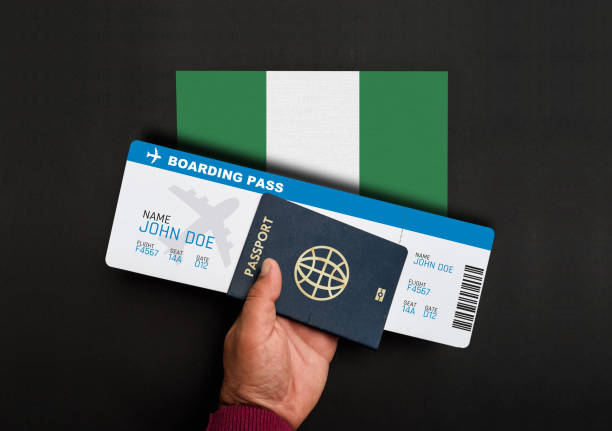
A “dollar flight ticket paid in Naira” simply means the airline fare is originally priced in USD, but you still complete payment in Nigerian Naira (₦). This is extremely common in Nigeria for international flights from Lagos, Abuja, and Port Harcourt to destinations like the UK, USA, Canada, UAE, and Europe.
In real airline systems, the ticket is still a USD-based fare, but Nigerian travelers pay in Naira through travel agencies, airline offices, or bank card conversions.
So what you see as a “₦1.3M ticket” is often just a converted version of a $800–$1,000 airfare.
How Dollar-Priced Flight Tickets Are Paid in Naira
In actual travel operations, there are three main layers:
- Airline base fare (USD)
- Exchange rate conversion (USD → NGN)
- Local payment collection in Naira
This is why prices in Nigeria change frequently—they are tied directly to the dollar exchange rate.
Ways Nigerians Pay Dollar Flight Tickets in Naira
1. Travel Agencies (Most Common Method)
This is the most widely used method in Nigeria.
How it works:
- You request a route (e.g., Lagos → London or Abuja → New York)
- The agent checks USD airline fare
- They convert it to Naira using current exchange rate
- You pay via transfer or cash
- Ticket is issued instantly
Best for:
- Students
- Families
- Business travelers
- First-time flyers
This method removes FX stress and failed card payments.
2. Airline Offices in Nigeria
Some airlines allow local Naira payment for USD-priced tickets depending on fare rules.
Examples:
- Ethiopian Airlines
- Qatar Airways
- Turkish Airlines
How it works:
- Airline fare remains in USD internally
- You pay equivalent Naira at the local office
- Ticket is issued directly from airline system
Best for:
- Direct airline booking
- Corporate travel
- Official fare purchases
3. Online Booking with Nigerian Bank Cards
This is the most independent method.
How it works:
- Ticket price is shown in USD
- You pay using your Nigerian debit card
- Bank converts USD to Naira at prevailing exchange rate
Best for:
- Tech-savvy travelers
- Last-minute bookings
- Direct airline deals
Challenges:
- FX conversion charges
- Card transaction failures
- Rate fluctuations during payment
Real Example: USD Flight Ticket Paid in Naira
A typical scenario:
- Route: Lagos → Toronto
- Airline: British Airways / Lufthansa / Air France
- Base fare: $900
- Exchange rate: ₦1,400 per $1
- Final price: ₦1.26M
- Payment method: Naira bank transfer via travel agent
- Ticket issuance: same day
Even though payment is in Naira, the airline still processes it as a USD fare globally.
Why Dollar Flight Ticket Prices Change in Naira
From real booking experience in Nigeria, prices change due to:
- USD/NGN exchange rate fluctuations
- Airline seat availability
- Seasonal demand (Christmas, summer, school intake)
- Fuel surcharges
- Fare class availability (promo vs standard economy)
This is why the same ticket can cost more or less within hours.
Common Problems When Paying USD Flight Tickets in Naira
Many travelers face:
- Sudden price increases after inquiry
- Limited access to cheap fare classes
- Failed international card payments
- Hidden service charges from agents
- Delays during high-demand seasons
These issues are mainly caused by FX volatility and airline pricing systems.
How to Get Cheaper Dollar Flight Tickets in Naira
Practical ways to save money:
- Book early (2–6 weeks before departure)
- Avoid peak seasons (festive periods, holidays)
- Compare multiple travel agencies
- Be flexible with dates and routes
- Use airlines with strong Nigeria routes (Ethiopian, Qatar, Turkish)
Timing often matters more than the airline itself.
Final Reality of Dollar Flight Ticket Pay in Naira
A dollar-priced flight ticket paid in Naira is not a fixed local price—it is a converted international fare tied to the USD exchange rate and airline pricing systems.
Most Nigerians prefer travel agencies because they simplify payment, avoid FX card issues, and ensure faster ticket issuance.
The key is understanding that you are not escaping the dollar—you are just paying its Naira equivalent through a local system.
