


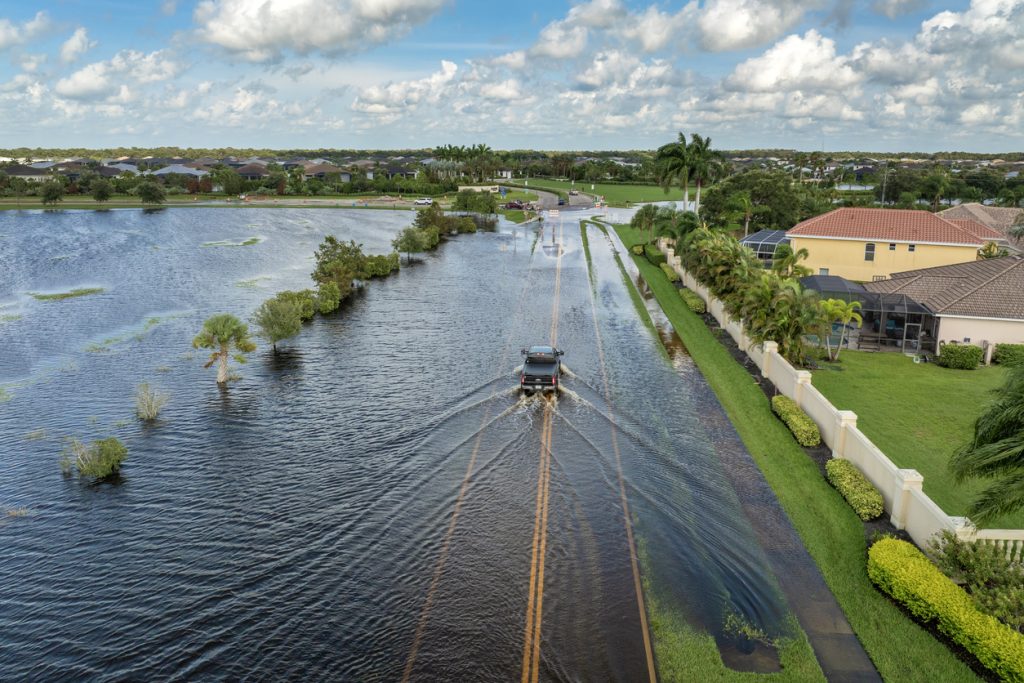
Heavy rainfall can quickly turn movement around Festac into a serious challenge. Roads that were passable in the morning may become flooded within hours, leaving families, workers, elderly residents, and business owners unable to move safely.
A dependable Festac flood evacuation service helps people leave affected areas before water levels rise further. It can also support residents who need temporary transport, emergency relocation, luggage movement, or assistance reaching a hotel, family home, hospital, airport, or safer part of Lagos.
Travo.ng helps coordinate practical transport and relocation support for people affected by flooding in Festac and nearby communities.
When You Should Arrange an Evacuation
Many people wait until floodwater has entered their compound before looking for transport. At that stage, access roads may already be blocked, vehicles may refuse to enter the area, and demand for emergency pickups may increase.
It is better to arrange evacuation early when:
- Water is rising steadily around your street
- Your compound drainage is overflowing
- Electricity has become unsafe
- Children or elderly people are in the building
- Your vehicle cannot pass through the flooded road
- Rain is expected to continue for several hours
- You need to protect important documents or essential belongings
Early planning gives the transport team more time to identify a safe pickup point and choose a suitable route.
Areas Around Festac That May Need Pickup Support
Flooding conditions can vary from one part of Festac to another. Some streets may remain accessible while nearby roads become difficult to cross.
Evacuation support may be arranged around:
- Festac First Gate and Second Gate
- 21 Road, 22 Road, and 23 Road
- Apple Junction
- Amuwo-Odofin
- Satellite Town
- Ago Palace Way
- Mile 2
- Abule Ado
- Trade Fair axis
The exact pickup location matters. Residents should provide clear directions, nearby landmarks, street conditions, the number of passengers, and whether children, elderly people, or bulky items are involved.
How Flood Evacuation Transport Is Coordinated
A flood evacuation is different from booking a normal taxi. The vehicle must be selected based on road conditions, passenger numbers, luggage, and the distance to the safe destination.
Before dispatch, the transport coordinator may confirm:
- The current water level around the pickup point
- Whether the street is accessible by car, SUV, van, or truck
- The safest nearby meeting point
- The number of people being moved
- The destination and alternative routes
- Whether household items or emergency supplies are included
In some cases, passengers may need to walk a short distance to a safer road where the vehicle can wait. This should only be done when the route is safe and the water is not moving rapidly.
What to Take When Leaving a Flooded Home
Evacuation should focus on people first. Carry only items that are necessary and easy to move.
Important items may include:
- Identification documents
- Medication
- Phones and power banks
- Cash and bank cards
- A change of clothing
- Baby supplies
- Drinking water
- Small valuables
- Property documents
- Work equipment that can be carried safely
Place documents and electronics inside waterproof bags or sealed plastic containers. Avoid carrying large furniture during an urgent evacuation unless a separate relocation vehicle has been arranged.
Where Residents Can Relocate Temporarily
Not every evacuation requires a long-distance journey. Some residents may only need transport to a dry location while they assess the situation.
Possible destinations include:
- A relative’s home in another part of Lagos
- A nearby hotel or serviced apartment
- An office or business location
- A hospital or medical facility
- A transport terminal
- Lagos airport
- Temporary accommodation outside the affected area
Travo.ng can also assist with hotel reservations, vehicle hire, airport pickups, courier services, and the movement of essential belongings where necessary.
Avoid Driving Through Deep Floodwater
One of the most common mistakes during flooding is assuming a familiar road is still safe. Floodwater can hide potholes, open drainage channels, damaged road sections, and stalled vehicles.
Drivers should not force a vehicle through water when the depth is uncertain. A cheaper or shorter route is not worth the risk of engine damage, getting stranded, or putting passengers in danger.
It is safer to use alternative roads, move to a recognised pickup point, or delay the journey until a suitable vehicle and route are available.
Arrange Festac Flood Evacuation Support Early
Flood emergencies become harder to manage when transport is requested at the last minute. Providing accurate information early helps the team plan the vehicle, route, pickup point, and destination properly.
To arrange a Festac flood evacuation service, contact Travo.ng with your location, number of passengers, road condition, destination, and any special transport needs. The team can help coordinate emergency pickups, temporary relocation, luggage movement, hotel arrangements, and other practical support required to leave the affected area safely.
