


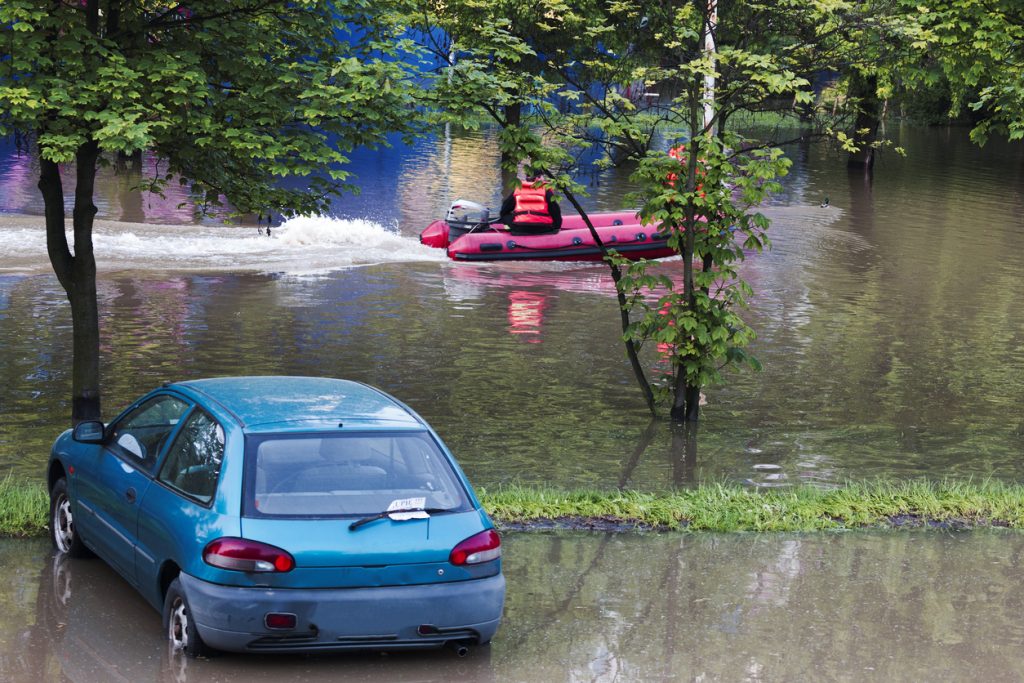
Heavy rainfall can turn routine cargo movement around Apapa into an urgent logistics problem. Roads leading to the port may become flooded, trucks can remain stuck for hours, and businesses may struggle to move containers, supplies, or equipment before conditions worsen.
For companies with time-sensitive goods, arranging reliable Apapa flood emergency logistics is often the difference between a manageable delay and a serious operational loss. The response must go beyond simply sending another vehicle. It requires route assessment, suitable trucks, driver coordination, cargo protection, and continuous communication.
Travo.ng helps businesses coordinate practical transport and emergency logistics support around Apapa, Tin Can Island, Ijora, Mile 2, and other nearby commercial areas.
What Usually Happens When Flooding Disrupts Apapa Operations
Flooding in Apapa can affect both port access and the roads used to move goods into other parts of Lagos. Areas around Creek Road, Wharf Road, Liverpool Road, Ijora, and sections of the Apapa–Oshodi corridor may become difficult to navigate after prolonged rainfall.
Common problems include:
- Trucks breaking down after entering deep water
- Containers missing scheduled delivery windows
- Drivers becoming stranded in traffic for several hours
- Goods being exposed to water during loading or unloading
- Warehouses being unable to receive delayed cargo
- Businesses paying extra demurrage or waiting charges
The first response should be to confirm the vehicle’s location, road condition, cargo type, and urgency. Sending another truck without checking access conditions may create an additional problem.
The Right Response Depends on the Cargo
Not every emergency requires the same vehicle or recovery plan. A truck carrying packaged consumer goods needs a different response from one moving industrial machinery or temperature-sensitive products.
For palletised goods, the priority may be transferring the items to a dry vehicle before water reaches the cargo area. For containerised shipments, the focus may be rerouting the truck, arranging towing support, or securing temporary holding space until the road becomes accessible.
Businesses moving food, pharmaceuticals, electrical equipment, paper products, or household goods should act quickly because water exposure can damage the shipment even when the packaging looks intact.
Travo.ng can coordinate trucks, vans, cargo transfer support, towing assistance, temporary storage, and onward delivery based on the situation.
How Emergency Cargo Rerouting Works
When the normal route is blocked, the logistics team must identify a safer alternative rather than relying only on online maps. A road may appear open digitally while heavy vehicles are unable to pass through safely.
Depending on the destination and traffic conditions, cargo moving from Apapa may be redirected through Ijora, Costain, Orile, Mile 2, or alternative mainland corridors. The best route depends on the vehicle size, cargo weight, flooding level, and delivery location.
A proper rerouting plan should include:
- Confirmation from the driver or local contact
- Assessment of the cargo and vehicle condition
- Selection of a suitable alternative route
- Communication with the receiving warehouse or customer
- Updated delivery timing and cost expectations
For emergency movements, drivers should also avoid parking in low-lying areas where water levels can rise quickly.
What Businesses Should Provide When Requesting Help
Clear information helps the logistics provider respond faster. Before requesting Apapa flood emergency logistics, prepare the following details:
- Exact vehicle location
- Driver’s phone number
- Cargo type and estimated weight
- Vehicle or container size
- Pickup and delivery addresses
- Photographs or videos of the affected area
- Required delivery deadline
- Whether towing or cargo transfer is needed
For container movements, include the container number, terminal, shipping line, and release status where applicable. This prevents avoidable delays when a replacement truck or driver is being arranged.
Reducing Losses During the Rainy Season
Businesses that regularly move goods through Apapa should prepare before major rainfall. Confirm vehicle condition, use waterproof packaging where necessary, and avoid scheduling critical cargo movement during periods of severe weather when possible.
It is also useful to keep alternative drivers, trucks, warehouses, and delivery routes available. Businesses waiting until a truck is already stranded often have fewer options and may pay more for urgent support.
Travo.ng provides transport coordination, cargo logistics, truck arrangements, emergency delivery support, towing assistance, warehousing coordination, and business logistics services. These services can be combined to help companies respond quickly when flooding disrupts movement around Apapa.
With accurate information and early coordination, businesses can protect their goods, reduce delays, and keep essential deliveries moving even during difficult weather conditions.
