


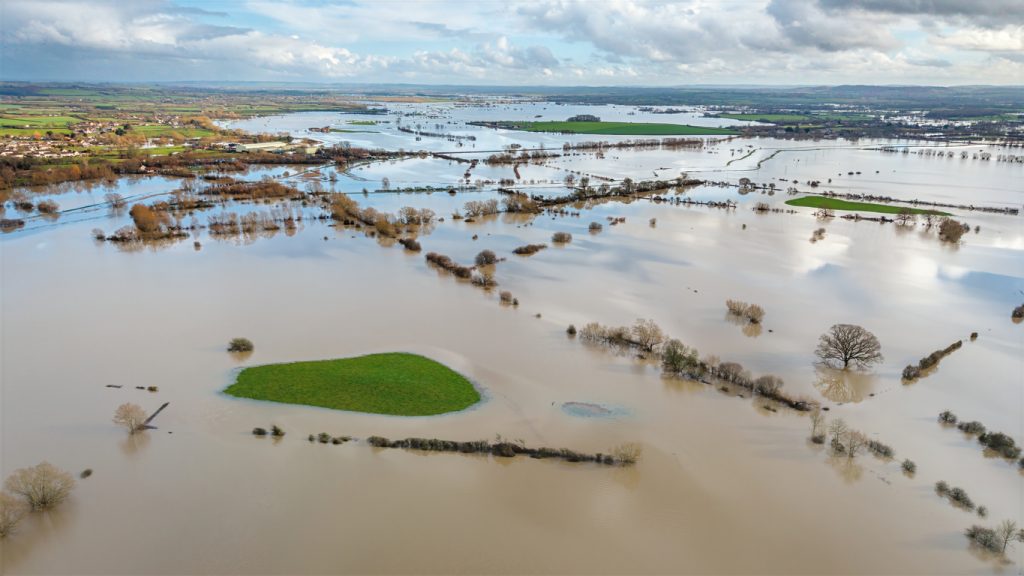
Heavy rainfall in Lagos can turn a normal 30-minute journey into several hours of traffic, vehicle breakdowns and unexpected detours. Roads that look passable in the morning may become flooded before the evening rush, especially when rain continues for several hours or drainage channels overflow.
Knowing the right alternative routes during Lagos flood can help commuters, delivery riders, businesses and private drivers avoid dangerous roads. However, choosing another route is not simply about following the shortest direction on a navigation app. You must consider road depth, traffic buildup, vehicle type and whether the connecting streets are also flooded.
Lagos Roads That Commonly Become Difficult After Heavy Rain
Flood conditions vary depending on the intensity of the rain, drainage problems and ongoing road construction. Some areas that often experience serious water buildup include parts of:
- Lekki and Ajah
- Victoria Island
- Ikoyi
- Surulere
- Mushin
- Oshodi
- Apapa
- Marina
- Ijora
- Agege
- Maryland
- Ketu and Mile 12
A road may still be open but unsuitable for low vehicles. Drivers using saloon cars should be more cautious than those travelling in SUVs or commercial buses with higher ground clearance.
Before entering any flooded stretch, watch how other vehicles are moving. If water reaches the centre of their tyres or vehicles are turning back, it is safer to find another road.
Alternative Routes Between Lekki and Victoria Island
During heavy flooding around the Lekki–Epe Expressway, Admiralty Way and some inner Lekki streets can also become congested. Drivers travelling towards Victoria Island may consider connecting through alternative estate roads where access is permitted.
However, private estate gates may restrict non-residents, especially during peak periods. It is better to confirm access before leaving the main expressway.
For journeys from Ajah towards the Island, an early departure is often more effective than searching for a shortcut after traffic has already built up. When flooding is severe, postponing a non-essential trip may be safer than entering unfamiliar streets.
Moving Between the Mainland and Lagos Island
Third Mainland Bridge is usually an important option for commuters travelling between the Mainland, Ikoyi and Victoria Island. Depending on the destination and traffic situation, Carter Bridge or Eko Bridge may provide alternatives.
For example, a driver coming from Yaba towards Marina may compare access through Herbert Macaulay Way and Carter Bridge with the Third Mainland Bridge route. Someone travelling from Surulere towards Victoria Island may consider Eko Bridge, depending on conditions around Costain and Iponri.
The best choice depends on where flooding has developed. Switching bridges without checking connecting roads can move you from one traffic problem into another.
Safer Detours Around Apapa and Oshodi
Apapa routes can become particularly difficult when flooding combines with truck traffic. Drivers transporting goods should avoid entering unfamiliar industrial roads simply because a navigation app shows less traffic.
For movement around Apapa, Ijora, Mile 2 and Tin Can, businesses should confirm road conditions with drivers already operating in the area. Cargo vehicles may also need to adjust loading or delivery times to avoid rainfall and peak truck movement.
Around Oshodi, alternative roads through Ilupeju, Isolo or Airport Road may help, depending on the destination. Drivers heading to Murtala Muhammed Airport should leave earlier because flooding around connecting roads can delay airport pickups and departures.
Do Not Depend on Navigation Apps Alone
Navigation apps are useful for identifying congestion, but they may not show the actual depth of floodwater. A road can appear clear on the map simply because vehicles are no longer entering it.
Before changing routes:
- Check recent traffic updates from drivers in the area.
- Confirm that the alternative road connects properly to your destination.
- Avoid narrow streets with poor drainage.
- Do not follow buses or trucks into deep water.
- Keep enough fuel for unexpected detours.
- Inform someone if your route changes significantly.
Businesses handling urgent deliveries should maintain communication with their drivers instead of expecting them to follow a fixed route during severe rainfall.
What to Do When Your Vehicle Enters Floodwater
If water rises unexpectedly, do not continue accelerating aggressively. This can push water into the engine. Move slowly and maintain a steady speed where the water is shallow.
If the engine stops, avoid restarting it repeatedly. Restarting a flooded engine may cause more damage. Move to a safe location if possible and arrange professional vehicle recovery.
Travo.ng can support customers with transport coordination, emergency vehicle assistance, delivery rescheduling and alternative travel arrangements when flooding disrupts normal movement.
Plan Lagos Movement Before the Rain Becomes Heavy
Finding alternative routes during Lagos flood requires more than choosing the road with the least traffic. Drivers must consider flood depth, road access, vehicle clearance and conditions around connecting streets.
Check the weather before travelling, leave earlier during the rainy season and avoid forcing a vehicle through water when the road condition is uncertain. For airport pickups, deliveries, vehicle hire or transport coordination during difficult weather, Travo.ng can help organise a more practical route and suitable mobility support across Lagos.
