


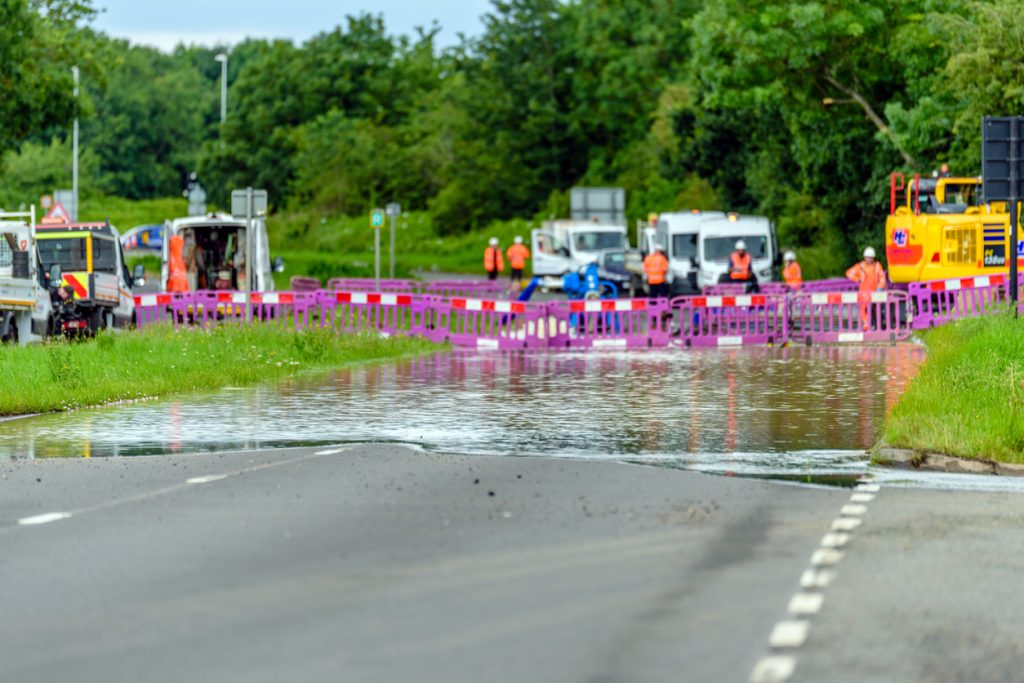
Heavy rainfall can turn a normal Lagos journey into a serious travel problem within minutes. Roads that were passable in the morning may become flooded by afternoon, while traffic diversions can leave motorists trapped for hours.
Knowing how to find an emergency route during flooding Lagos can help you avoid vehicle damage, dangerous water levels, and unnecessary delays. The safest option is not always the shortest road. During severe rainfall, route planning should consider drainage conditions, vehicle type, traffic movement, and access to emergency assistance.
Check the Road Before Leaving Your Location
Do not begin a journey simply because the rain has reduced. Floodwater may still be rising in low-lying areas, especially when drains are blocked or nearby canals have overflowed.
Before travelling, confirm conditions along your intended route by checking:
- Recent traffic updates from motorists in the area
- Reports from colleagues, drivers, or residents nearby
- Alternative roads with higher elevation
- Known flood-prone junctions along the journey
- Whether your destination remains accessible
For example, a driver travelling from Lekki towards Victoria Island may need to confirm conditions around major junctions, inner streets, and connecting routes before setting out. Some diversions may appear clear initially but lead directly into another flooded section.
Travo.ng can help coordinate urgent transport and route planning when travellers are unsure which roads remain accessible.
Avoid Driving Through Water You Cannot Assess
One of the most common mistakes during Lagos flooding is following another vehicle into deep water. A sport utility vehicle may cross successfully while a smaller saloon car stalls halfway.
Floodwater can hide open drains, potholes, damaged road surfaces, and abandoned vehicles. Water entering the engine through the air intake can also cause serious mechanical damage.
Turn back when:
- You cannot see the road surface
- Water has reached the centre of another vehicle’s tyres
- Vehicles ahead are reversing
- The current appears strong
- Commercial drivers are refusing to proceed
A longer diversion is safer than risking engine damage that may cost hundreds of thousands of naira to repair.
Use Higher Roads and Major Corridors Where Possible
When searching for an emergency route during flooding Lagos, prioritise major roads that are more likely to receive traffic control, drainage attention, and emergency response.
Inner streets may look like useful shortcuts, but many have poor drainage and limited turning space. Once several vehicles enter, reversing can become difficult.
Road selection should also depend on the journey. A route suitable for a motorcycle may not be safe for a delivery van. Similarly, a loaded truck requires more space to turn around and may struggle on narrow residential roads.
For business deliveries, dispatch riders and drivers should be given permission to delay or reroute rather than being pressured to enter unsafe areas.
What to Do When Your Vehicle Becomes Trapped
When water begins rising around a vehicle, personal safety comes first. Do not continue restarting a stalled engine, as this may worsen internal damage.
Switch off the engine, assess the water level, and contact a vehicle recovery provider. Share your live location, nearby landmarks, vehicle type, and the direction from which you entered the flooded road.
Travo.ng can assist with breakdown response, towing coordination, emergency driver support, and alternative transport where available.
If the vehicle is in fast-moving water or passengers are at immediate risk, leave the vehicle only when there is a clearly safer path. Children, elderly passengers, and anyone with limited mobility should receive priority assistance.
Plan Deliveries and Airport Trips Around the Rain
Flooding affects more than private motorists. Airport pickups, courier jobs, staff movement, and interstate departures may all be disrupted.
A trip from the mainland to the airport that normally takes one hour may take considerably longer during intense rainfall. Travellers should leave early, monitor access roads, and keep their driver informed of any flight changes.
Businesses should also allow wider delivery windows during the rainy season. Same-day delivery may still be possible, but riders may need to pause, change vehicles, or use a different pickup point.
Get Practical Travel Support During Lagos Flooding
Finding a safe emergency route requires local updates, good judgement, and a willingness to change plans quickly. Do not rely only on navigation apps, because they may direct you through roads that are technically open but physically unsafe.
Travo.ng helps individuals and businesses coordinate emergency transport, vehicle recovery, courier movement, airport pickups, and alternative travel arrangements during difficult road conditions.
When Lagos flooding disrupts your journey, confirm the road ahead, avoid deep water, and book professional assistance before the situation becomes more dangerous.
