


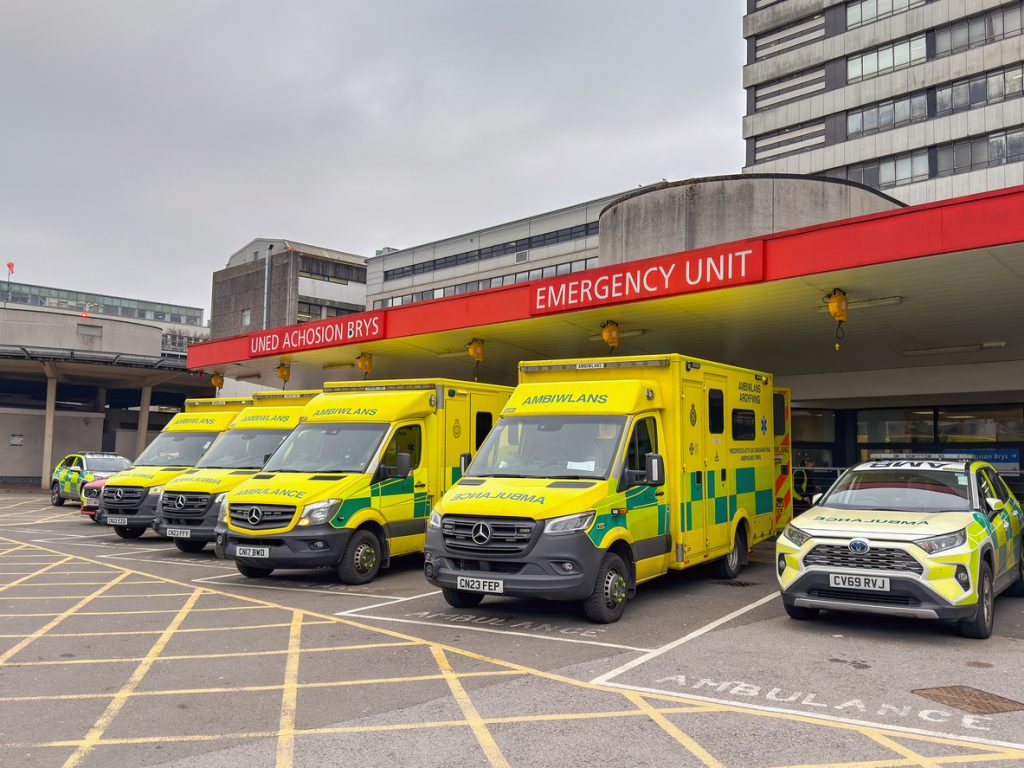
Flooding can turn a normal hospital trip into a serious emergency. Roads may become blocked, vehicles can stall in deep water, and an ambulance may be unable to reach a patient on time. Knowing how to transport patients during flooding helps families, caregivers, clinics, and community responders make safer decisions when every minute matters.
In flood-prone areas of Lagos, Bayelsa, Rivers, Anambra, Kogi, and parts of Abuja, the safest transport option often depends on the patient’s condition, water level, road access, and distance to the nearest functioning health facility.
Check the Patient’s Condition Before Moving
Do not rush to move a patient without first checking whether movement could worsen their condition. Someone with a suspected spinal injury, severe bleeding, breathing difficulty, stroke symptoms, pregnancy complications, or loss of consciousness requires professional medical support.
Call the nearest hospital, emergency response service, or medical professional and explain:
- The patient’s symptoms
- Your exact location
- The depth and speed of the floodwater
- Whether the road is passable
- The type of vehicle available
- The nearest accessible hospital
Clear information helps responders decide whether to send an ambulance, boat, high-clearance vehicle, or medical team.
Do Not Drive Through Water You Cannot Assess
One of the biggest mistakes people make during flooding is assuming a familiar road is still safe. Floodwater can hide damaged bridges, open drains, fallen power lines, potholes, and strong currents.
Small cars, motorcycles, and tricycles should not be used on deeply flooded roads. Even larger SUVs can lose control or suffer engine failure if water enters the air intake.
Before setting out, confirm alternative routes through local residents, traffic updates, emergency agencies, or drivers already operating in the area. A longer dry route is usually safer than a shorter flooded one.
Choose Transport Based on the Flood Conditions
For shallow water and stable roads, a high-clearance vehicle may be suitable. The patient should be secured properly, kept dry, and accompanied by someone who can monitor their condition.
In communities where roads are completely submerged, a stable motorised boat may be required. Boats used for patient transport should have life jackets, adequate space, experienced operators, and protection from rain.
A stretcher, wheelchair, or strong evacuation chair may be needed to move the patient from the building to the vehicle or boat. Avoid carrying seriously injured patients by their arms and legs, as this may worsen fractures or spinal injuries.
Prepare Basic Medical and Travel Essentials
Before leaving, pack only what is necessary so the patient can be moved quickly.
Useful items include:
- Prescribed medicines
- Medical records or hospital cards
- Identification documents
- Drinking water
- Clean towels and blankets
- Waterproof bags for phones and documents
- A torch or rechargeable light
- A charged phone and power bank
- Basic first-aid supplies
For patients using oxygen, insulin, dialysis equipment, or other specialised medical support, inform the receiving hospital before departure.
Coordinate With the Hospital Before Arrival
Flooding can affect hospitals too. A nearby facility may have limited electricity, reduced staff, unavailable beds, or blocked access roads.
Call ahead to confirm that the hospital is open, accessible, and equipped to handle the patient. Also ask which entrance is currently in use, especially where the main gate is flooded.
For interstate evacuation, such as moving a patient from Lokoja to Abuja or from Yenagoa to Port Harcourt, arrange fuel stops, medical supervision, rest points, and backup routes before starting the journey.
Keep the Patient Stable During the Journey
The patient should be placed in a safe position based on their condition. Someone struggling to breathe may need to sit upright, while an unconscious but breathing patient may need to be placed on their side.
Monitor breathing, responsiveness, bleeding, temperature, and pain throughout the trip. Keep the patient warm because prolonged exposure to rain and floodwater can cause dangerous body-temperature loss.
Floodwater may also contain sewage, chemicals, sharp objects, and disease-causing organisms. Any open wounds should be covered with clean, waterproof dressings.
Arrange Transport Before the Situation Gets Worse
Families caring for elderly people, pregnant women, children, or patients with chronic illnesses should plan before heavy rainfall begins. Identify two accessible hospitals, save emergency contacts, keep medicines ready, and know which vehicles or boats operate in the area.
Travo.ng can support emergency transport coordination, vehicle hire, driver arrangements, interstate movement, and other logistics needed to move people safely during difficult conditions. Early planning gives transport teams more time to identify accessible routes and suitable vehicles.
Understanding how to transport patients during flooding is not just about finding a vehicle. It requires medical guidance, route assessment, proper equipment, communication, and careful coordination from pickup to hospital arrival.
