


Reaching a flooded neighbourhood in Lagos is rarely as simple as entering the address into a navigation app and driving there. Heavy rainfall can make familiar roads impassable within minutes, especially in low-lying areas where drainage channels overflow and water covers potholes, gutters, and road dividers.
Anyone searching for how to reach flooded communities in Lagos may be trying to deliver food, rescue a stranded relative, move essential supplies, inspect a property, or support residents who have been cut off by rising water. The safest option depends on the water level, the type of vehicle available, road accessibility, and whether the journey is urgent.
Confirm the Situation Before Leaving
The first step is to speak directly with someone inside the affected community. A road that was accessible two hours earlier may already be blocked.
Ask practical questions such as:
- Where exactly does the floodwater begin?
- Can cars still enter the street?
- Are commercial motorcycles or tricycles operating nearby?
- Is there a safer alternative entrance?
- Has the electricity supply been switched off?
- Are residents moving by canoe or other local boats?
Avoid relying only on social media videos because footage may be old or recorded in a different part of the area.
Communities around Ajegunle, Ikorodu, Lekki, Ibeju-Lekki, Kosofe, Badia, Makoko, Agege, and parts of the Lagos mainland can experience different levels of flooding. Even within the same neighbourhood, one street may remain accessible while the next is completely covered.
Do Not Drive Into Water You Cannot Assess
A major mistake people make is assuming that a large SUV can pass through any flooded road. Floodwater can hide open drains, collapsed sections of road, submerged barriers, and abandoned vehicles.
Regular saloon cars should not be used where water is already close to the bumper or engine air intake. Even high-clearance vehicles can become stranded if water is moving quickly or the driver cannot see the road surface.
Where road access is uncertain, stop at a safe meeting point and arrange a more suitable final connection. This may involve:
- A high-clearance vehicle
- A locally operated canoe
- A small powered boat
- A tricycle where the water is shallow
- Manual movement of supplies using waterproof containers
The safest route is not always the shortest route shown on Google Maps. Local residents, security personnel, estate managers, and transport operators often have more accurate information about streets that are still passable.
Choose the Right Transport for the Last Stage
In many Lagos flood situations, a vehicle can complete most of the journey but cannot enter the final street. This is why the last stage must be planned carefully.
For example, supplies going from Ikeja to a flooded area in Ikorodu may be transported by van to a dry roadside location, transferred into waterproof bags, and moved onward by a smaller vehicle or boat.
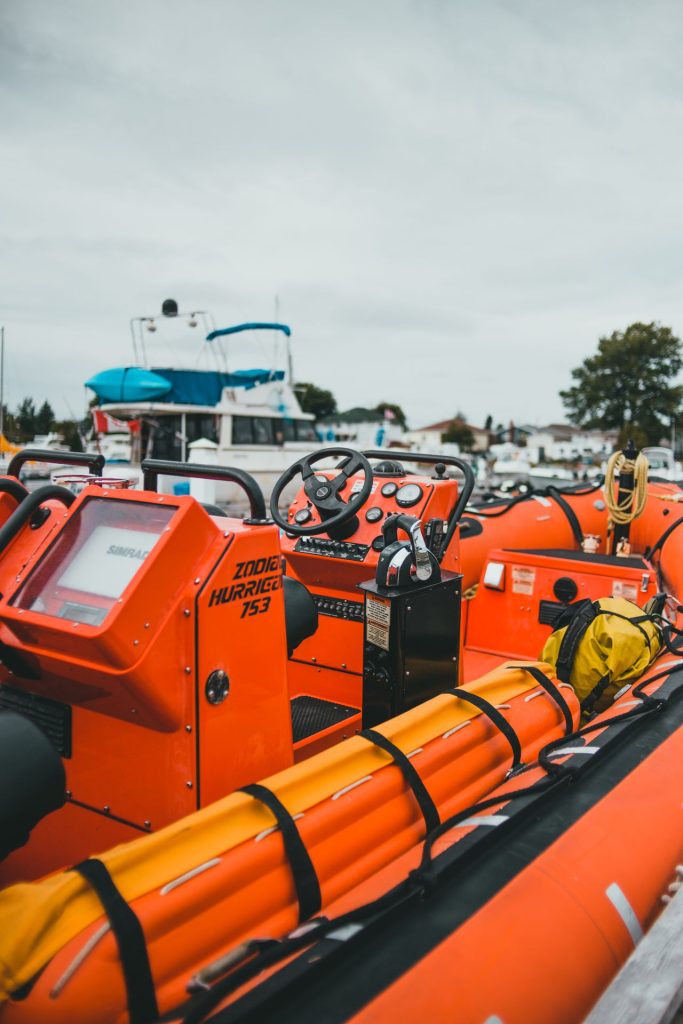
For communities located close to lagoons, creeks, or canals, marine transport may be more practical than forcing a vehicle through flooded roads. However, boats should be operated by experienced local handlers who understand water currents, hidden structures, and safe landing points.
Passengers should wear life jackets, avoid overcrowding, and keep phones, medication, documents, and food in sealed waterproof bags.
Package Emergency Supplies Properly
Food, clothes, medicines, and electronics can be damaged before they reach the recipient if they are packed in ordinary cartons.
For deliveries into flooded communities, use:
- Thick waterproof sacks
- Plastic storage containers with secure lids
- Sealed medication bags
- Clearly labelled packages
- Smaller loads that can be carried by hand
Rice, garri, bottled water, bread, baby supplies, hygiene products, power banks, torches, and basic medical items are commonly requested during serious flooding.
Avoid making packages unnecessarily heavy. A large carton may be easy to move inside a van but difficult to transfer into a canoe or carry through water.
Plan the Return Journey Before Entering
Flood conditions often worsen after another rainfall or when water continues flowing from nearby streets. Before entering an affected community, confirm how you will leave.
Tell someone outside the area where you are going, who you are meeting, and the expected route. Charge your phone fully and carry a power bank. Travel during daylight where possible, because submerged drains and damaged roads are harder to identify at night.
Children, elderly residents, pregnant women, and people with medical conditions should receive priority where evacuation is necessary.
Arrange Coordinated Transport Through Travo.ng
Knowing how to reach flooded communities in Lagos requires more than finding a driver. It may involve vehicle selection, route confirmation, local handover arrangements, emergency delivery planning, and alternative transport for the final stage.
Travo.ng can help coordinate suitable vehicles, urgent delivery support, cargo movement, driver services, and transport arrangements based on the conditions surrounding the affected location.
When requesting assistance, provide the exact pickup point, destination, type of items being moved, number of passengers, estimated water level, and a contact person inside the community. Clear information makes it easier to recommend a practical and safer movement plan.
Flooded roads should never be treated like normal roads. Proper preparation, local information, suitable transport, and careful coordination can make the difference between completing the journey safely and becoming stranded while trying to help.
