


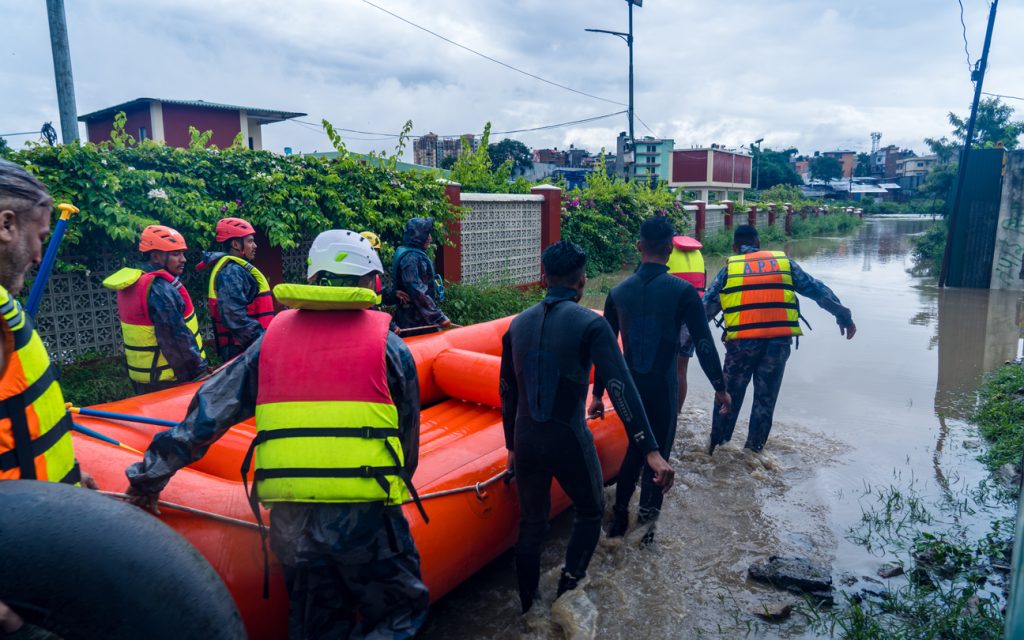
Flooding can turn a normal journey or quiet night at home into an emergency within minutes. Roads disappear under water, vehicles stop moving, power may go out, and familiar routes can suddenly become dangerous.
Knowing what to do when trapped by flood can help you avoid panic and make safer decisions while waiting for help. The most important thing is not to take unnecessary risks. Trying to drive, swim or walk through moving water can make the situation worse.
Whether you are trapped inside a vehicle, at home, in an office or on a flooded road, stay calm, assess your surroundings and communicate your location clearly.
Move Away From Rising Water Immediately
If water is entering a building, move to a higher floor or another raised area as soon as it is safe to do so. Take your phone, power bank, identification, essential medication and a small amount of drinking water.
Do not remain in a ground-floor room simply because your belongings are there. Furniture, electronics and documents can be replaced. Personal safety should come first.
Avoid touching electrical appliances, exposed wires or wet sockets. Where it can be done without entering water, switch off the electricity supply. If the area around the control panel is already wet, do not approach it.
What to Do if Your Vehicle Is Surrounded
Drivers sometimes enter flooded roads because other vehicles appear to be crossing successfully. This can be misleading. One section may be deeper than another, and hidden potholes or open drainage channels can cause a vehicle to lose control.
If your vehicle becomes surrounded by rising water:
- Switch on the hazard lights
- Unlock the doors and windows
- Call for help and share your live location
- Remove your seat belt
- Leave the vehicle early if water is rising quickly
- Move toward stable, higher ground
Do not remain inside a stalled vehicle while water continues to rise. However, avoid stepping into fast-moving water without a clear escape route.
When contacting emergency transport support, provide the road name, nearest landmark, vehicle type, number of passengers and visible water level.
Do Not Attempt to Swim Through Floodwater
Floodwater is often dirty, difficult to judge and filled with hidden hazards. It may contain broken glass, metal, sewage, open drains, electrical cables or strong currents.
Even water that appears calm can become dangerous when it is moving across a road or through a drainage channel. Children, elderly people and anyone with limited mobility should be kept away from the water’s edge.
Wait on higher ground for trained help where possible. If boat evacuation is required, use a suitable vessel with an experienced operator and enough life jackets for every passenger.
Share Precise Details When Requesting Rescue
Saying “I am trapped in Lagos” is not enough for a rescue team or transport coordinator to locate you quickly.
Send:
- Your live location or map pin
- The nearest major landmark
- Photos or videos of the surrounding area
- The number of people with you
- Whether anyone is injured or unwell
- Whether you are inside a building or vehicle
- A phone number that remains reachable
Conserve your phone battery by reducing screen brightness and avoiding unnecessary calls. Send short updates when the water level or your location changes.
Travo.ng can help coordinate emergency transport, boat movement and onward vehicle support when flooded roads prevent normal access.
Protect Essential Items While Waiting
Place phones, medication, documents and small electronics inside waterproof bags or sealed plastic containers. Keep footwear on, as floodwater may contain sharp objects.
If children are present, keep them close and explain what is happening calmly. Do not allow anyone to wander around the property or roadside looking for an exit alone.
Avoid eating food that has come into contact with floodwater. Drinking water should remain sealed and stored above the water level.
When Boat Transport May Be Necessary
Boat evacuation may be required when roads are completely covered, water is still rising or the location is connected to an accessible water route.
The boat should not be overloaded, and passengers should wear life jackets throughout the trip. Heavy luggage should be left behind if it affects the safety or balance of the vessel.
In places such as Lekki, Ajah, Ikorodu, Makoko, Port Harcourt and riverine communities in Bayelsa or Delta, evacuation may involve both boat and road transport. A boat may move passengers to a dry pickup point where a vehicle completes the journey.
Arrange Emergency Flood Transport With Travo.ng
Understanding what to do when trapped by flood helps you avoid decisions that could place you in greater danger. Move to higher ground, stay away from electrical hazards, share your precise location and wait for suitable assistance.
Travo.ng helps individuals, families, businesses and organisations coordinate emergency boat transport, vehicle recovery, urgent deliveries and onward movement from flooded areas.
Early communication makes rescue planning easier. Once flooding begins to block access routes, request support before water levels rise further or conditions become more difficult to manage.
