


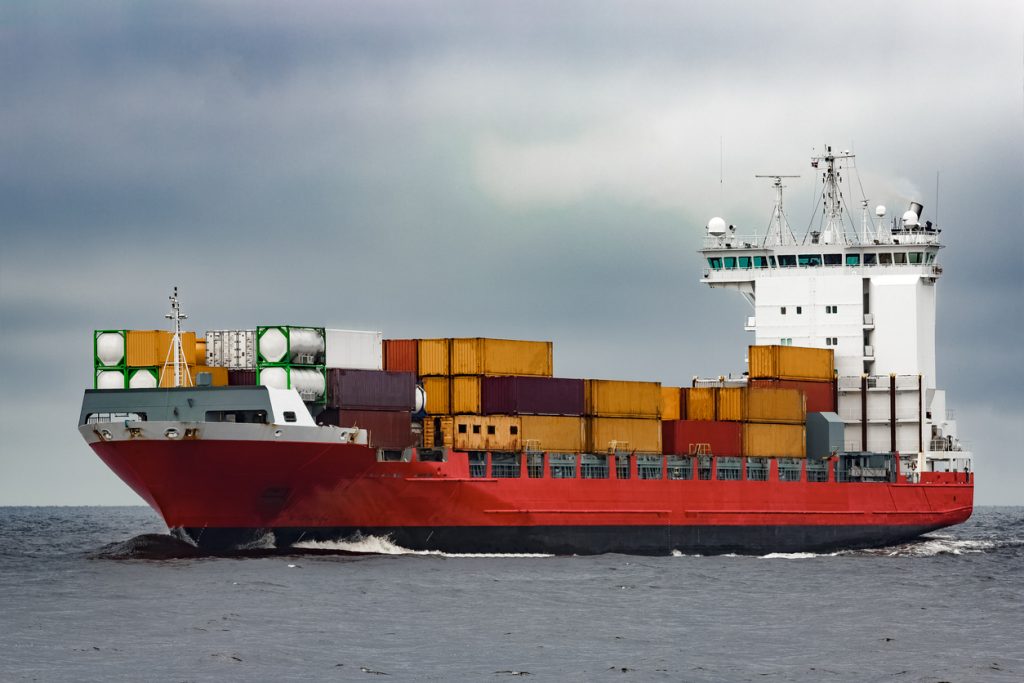
Sending a parcel from Nigeria to Germany is one of the most common international shipping routes for students, businesses, and families. Whether it’s Lagos to Berlin, Abuja to Frankfurt, or Port Harcourt to Hamburg, the process follows a structured logistics chain that goes far beyond just “drop and send.”
Most parcels do not fly directly into Germany from Nigeria. Instead, they pass through major European transit hubs like Amsterdam, Paris, or Istanbul before entering Germany for final delivery.
This is why many shippers prefer coordinated logistics handling through platforms like Travo.ng, which helps manage pickup, documentation, international routing, and delivery tracking in one system instead of dealing with multiple agents separately.
How a Parcel Moves from Nigeria to Germany
A typical Nigeria to Germany parcel shipment follows this route:
Lagos or Abuja → European hub → Germany distribution center → final delivery
Most parcels leave Nigeria through:
- Murtala Muhammed International Airport (Lagos)
- Nnamdi Azikiwe International Airport (Abuja)
Common transit hubs include:
- Frankfurt (major entry point into Germany)
- Amsterdam
- Paris
- Istanbul
From there, parcels are sorted into German cities like Berlin, Hamburg, Munich, Cologne, or Düsseldorf.
Frankfurt often acts as the main gateway because of Germany’s strong air cargo infrastructure.
Cost of Sending a Parcel from Nigeria to Germany
Shipping cost depends on weight, size, and urgency—not just distance.
Typical real-world pricing:
- Small parcels (1–2kg): ₦25,000 – ₦60,000
- Medium parcels (5–10kg): ₦70,000 – ₦150,000
- Larger shipments (10–30kg): ₦150,000 – ₦300,000+
Main cost drivers:
- Volumetric weight (space occupied vs actual weight)
- Type of goods (fashion, electronics, documents, etc.)
- Delivery speed (express vs consolidated cargo)
- Customs classification in Germany
A large but lightweight package can sometimes cost more than a smaller heavy one.
Air Courier vs Cargo Shipping to Germany
Air courier (fast delivery option)
Best for urgent and small shipments.
- Delivery time: 4–8 days
- Ideal for documents, personal items, fashion goods, and small business orders
- Faster tracking and priority handling
Consolidated air cargo (budget option)
Used for bulk or non-urgent shipments.
- Delivery time: 7–14 days (sometimes longer during peak seasons)
- Ideal for business goods, multiple parcels, or heavier cargo
- More cost-effective but slightly slower
Why German Customs Matters So Much
Germany has one of the most organized customs systems in Europe, but it is also very strict.
They typically inspect:
- Accurate item descriptions
- Declared value and invoices
- VAT and import duty requirements
- Restricted or controlled goods
Commonly flagged items include:
- Electronics above declared thresholds
- Branded fashion items
- Food and supplements
- High-value personal goods
When documentation is correct, clearance is fast. When it is not, delays happen immediately.
Real Delivery Timeline for Nigeria to Germany
Here is what you should realistically expect:
- Express courier: 4–6 days
- Standard air shipping: 6–10 days
- Consolidated cargo: 7–14 days
Most delays come from customs checks or documentation issues—not flight duration.
Mistakes People Make When Shipping to Germany
These are the most common errors:
- Using vague descriptions like “personal items”
- Undervaluing goods on customs forms
- Weak packaging for long-distance transport
- Ignoring EU import restrictions
- Using untracked or unreliable courier services
Even small mistakes can delay clearance in Germany.
Example: Lagos to Berlin Parcel Shipment
A typical real case:
A Lagos business sends 12kg of fashion items to Berlin:
- Pickup: Victoria Island, Lagos
- Route: Lagos → Frankfurt → Berlin
- Delivery time: 5–8 days
- Customs clearance: 1–2 days
With proper documentation, the shipment flows smoothly. Without it, it may be held for inspection.
Why Some Parcels Arrive Faster Than Others
Even when shipped on the same day, delivery speed varies due to:
- Quality of documentation at dispatch
- Airline routing efficiency
- Packaging compliance with EU standards
- Customs inspection triggers
- Coordination between logistics handlers
International shipping success is mostly about preparation, not speed.
How Nigerians Are Sending Parcels to Germany Today
Common users include:
- Students sending personal belongings
- Businesses exporting fashion and retail goods
- Families relocating gradually
- E-commerce sellers fulfilling European orders
Many now prefer structured logistics coordination like Travo.ng to manage pickup, shipping, and tracking in one system instead of dealing with multiple fragmented agents.
Practical Tips Before You Ship to Germany
Before sending any parcel:
- Label items clearly and accurately
- Confirm EU restricted goods list
- Use strong packaging for air transport
- Always request tracking details
- Choose express or cargo based on urgency
These steps help avoid most international shipping issues.
Final Reality of Sending Parcels to Germany
Shipping from Nigeria to Germany is reliable and efficient when properly handled. The key is not just sending the parcel, but ensuring documentation, packaging, and logistics coordination are done correctly from the start.
With the right setup, parcels move from Nigeria to Germany smoothly, clear customs quickly, and arrive within predictable timelines.
