


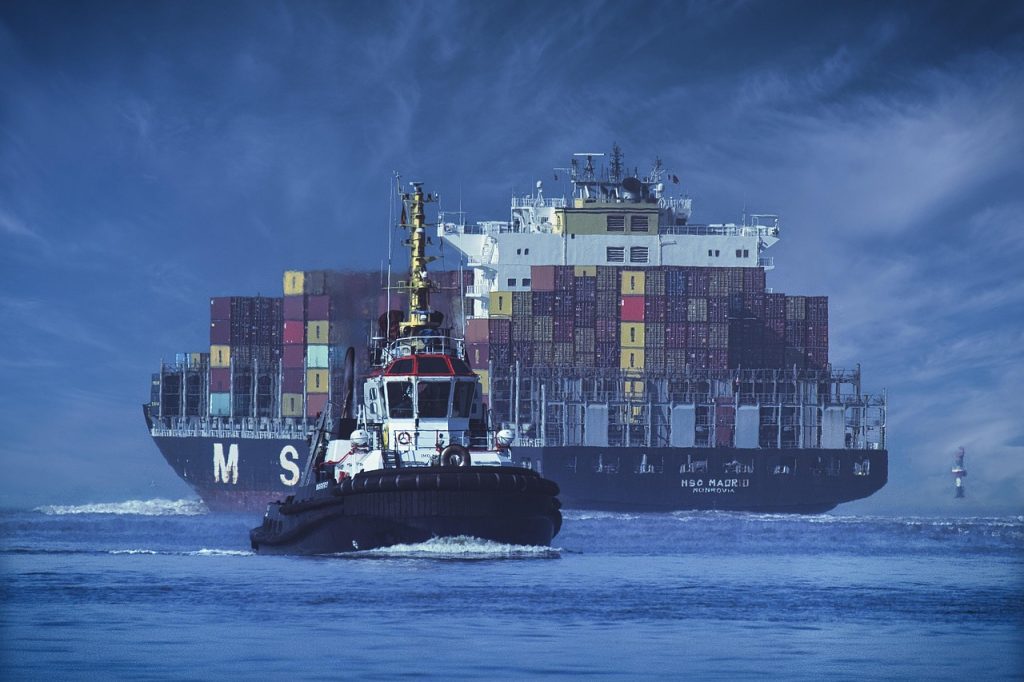
Maritime investment has always attracted investors looking for long-term returns, but it is also one of the most operationally complex asset classes in the world. A vessel is not a passive investment—it is a moving industrial asset exposed to fuel costs, freight market fluctuations, maintenance demands, and strict international regulations.
Maritime investment management services exist to simplify this complexity. They help investors plan, acquire, operate, and optimise shipping assets so they generate consistent returns without requiring the investor to handle day-to-day maritime operations.
For ship owners and investors in Nigeria and global trade markets, these services are what turn shipping from a risky purchase into a structured investment strategy.
What maritime investment management services actually mean
These services provide end-to-end oversight of maritime assets, focusing on both financial performance and operational efficiency.
They typically include:
- Investment planning and vessel acquisition support
- Technical and operational vessel management
- Chartering and revenue optimisation
- Crew and operational staffing coordination
- Compliance and regulatory oversight
- Financial reporting and ROI tracking
- Asset lifecycle and resale planning
In simple terms, they manage ships the way an investment firm manages a portfolio.
Why maritime investments require professional management
Unlike real estate or stocks, maritime assets operate in real time and incur constant costs.
Without structured management, investors often face:
- High operational and fuel expenses
- Poor vessel utilisation rates
- Unpredictable cash flow
- Charter delays or missed contracts
- Maintenance breakdowns
- Regulatory compliance risks
A vessel that is not actively and efficiently managed can quickly become a financial burden.
Core components of maritime investment management
1. Investment planning and vessel selection
Before purchasing a vessel, proper analysis is required.
This includes:
- Market demand analysis for vessel types
- Freight rate trend forecasting
- Vessel age and condition assessment
- Expected return on investment (ROI) modelling
- Risk evaluation across shipping segments
This ensures capital is invested in the right type of asset.
2. Vessel acquisition and due diligence
Buying the wrong vessel is one of the most expensive mistakes in shipping.
Services include:
- Technical inspections and surveys
- Maintenance history verification
- Price benchmarking and negotiation
- Legal documentation and ownership transfer
- Flag registration support
Proper due diligence reduces long-term operational risks.
3. Technical and operational management
Once acquired, vessels must be kept in top condition.
This involves:
- Engine and machinery maintenance
- Hull inspections and repairs
- Dry-docking scheduling
- Spare parts procurement
- Preventive maintenance systems
Operational reliability directly affects profitability.
4. Chartering and revenue generation
Revenue in maritime investment comes from active deployment.
Management includes:
- Securing cargo contracts and charters
- Negotiating freight rates
- Vessel scheduling and optimisation
- Minimising idle time between voyages
- Market timing for deployment decisions
Consistent chartering ensures stable cash flow.
5. Crew and human resource management
The crew is central to vessel performance.
Services include:
- Recruitment of qualified seafarers
- Certification and compliance verification
- Crew rotation scheduling
- Payroll and welfare management
- Onboard performance monitoring
Well-managed crews improve efficiency and safety.
6. Financial reporting and investment tracking
Investors need full visibility into performance.
Reports typically include:
- Voyage-level profit and loss analysis
- Fuel and operational cost breakdown
- Charter revenue tracking
- Net ROI performance
- Asset valuation updates
This enables informed investment decisions.
7. Regulatory compliance and risk management
Shipping is one of the most regulated industries globally.
Management ensures compliance with:
- IMO international regulations
- Flag state requirements
- Port state inspection standards
- Environmental protection rules (MARPOL)
- Safety management systems (SMS)
Compliance reduces legal and operational risks.
Why maritime investment management is essential
Without structured oversight, maritime investors often experience:
- Unpredictable returns
- High operational losses
- Vessel downtime and inefficiency
- Poor contract utilisation
- Regulatory penalties
- Reduced asset lifespan
Professional management reduces uncertainty and stabilises returns.
Maritime investment challenges in West African trade environments
Investors operating in Nigeria and surrounding regions often face:
- Port congestion and delays in Lagos and Port Harcourt
- Currency fluctuations affecting operational costs
- Customs clearance inefficiencies
- Limited shipyard and repair infrastructure
- Seasonal cargo demand volatility
These conditions make structured management even more critical.
How maritime investment management improves returns
When properly executed, these services provide:
- More consistent revenue streams
- Higher vessel utilisation rates
- Reduced operational costs
- Better charter contract quality
- Improved fuel efficiency
- Stronger long-term asset value
The investment becomes predictable and scalable.
Digital tools supporting maritime investment management
Modern systems rely on:
- Real-time vessel tracking platforms
- Predictive maintenance analytics
- Charter market intelligence systems
- Fuel optimisation dashboards
- Investment performance reporting tools
These tools improve transparency and decision-making speed.
Where logistics coordination fits into maritime investment performance
Even well-managed vessels depend on smooth cargo and supply chain movement.
This includes:
- Cargo scheduling and consolidation
- Port coordination and handling efficiency
- Freight forwarding alignment
- Customs clearance processes
- Inland delivery and distribution
Delays in logistics can directly reduce vessel profitability.
How Travo.ng supports maritime logistics coordination
While maritime investment management focuses on vessels and financial performance, logistics coordination ensures smooth movement of cargo and operational support across the supply chain.
Travo.ng supports maritime-related operations through:
- Cargo consolidation and freight coordination
- Import and export logistics planning
- Port-to-destination delivery services
- Supply chain coordination across Nigeria
- End-to-end logistics execution for cargo movement
This helps reduce delays that affect vessel turnaround time and investment returns.
Final thoughts
Maritime investment management services are essential for transforming shipping from a high-risk ownership model into a structured, predictable investment strategy.
With proper planning, technical oversight, and commercial optimisation, investors can reduce risk, improve efficiency, and generate consistent returns across global shipping markets.
In modern maritime trade, success is no longer about owning vessels—it is about how intelligently those vessels are managed as financial assets.
