


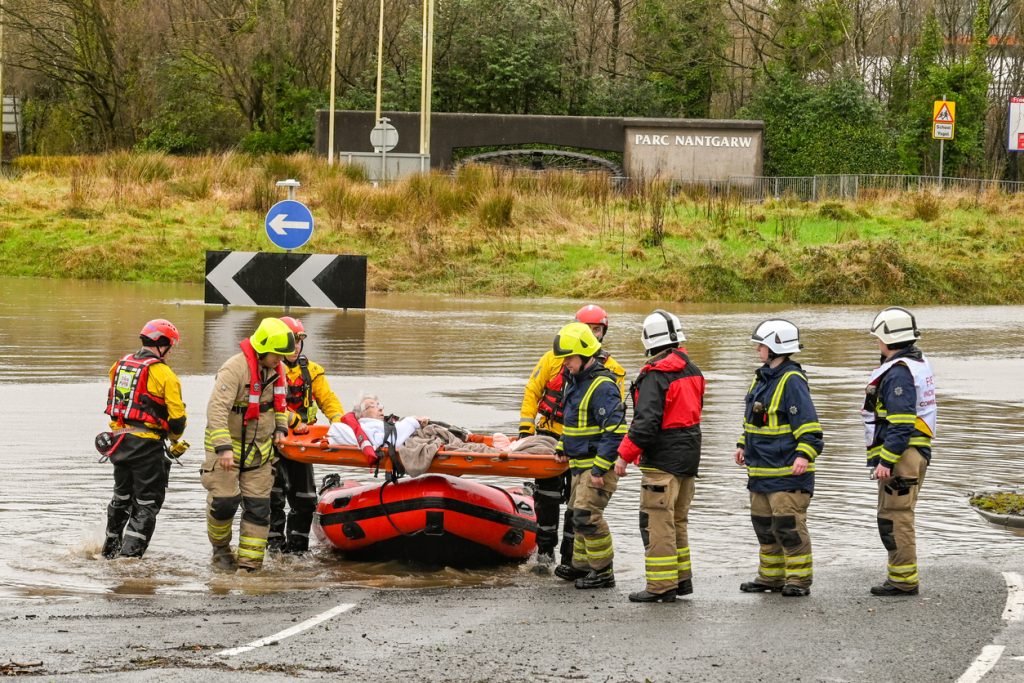
When floodwater begins to rise around a home, estate, office or work site, waiting too long can make evacuation more difficult. Roads may become blocked, vehicles may stall, and familiar routes can quickly become unsafe.
Searching for a flood evacuation service near me usually means the situation is already urgent. At that point, the priority is to move people safely, choose a workable route and arrange the right type of transport for the conditions.
Travo.ng helps coordinate emergency movement by road or water, depending on the flood level, access route and number of people involved.
Do Not Wait Until Every Road Is Blocked
Many evacuation problems happen because people assume the water will reduce quickly. During heavy rainfall, however, flood levels can rise faster than expected, especially in low-lying parts of Lagos, Port Harcourt, Bayelsa and Delta State.
A road that is passable in the morning may become unsafe by afternoon. Once water covers gutters, drainage channels or damaged sections of the road, driving becomes risky even when the vehicle appears strong enough.
Evacuation should be considered early when:
- Water is entering the compound or ground floor
- Access roads are becoming difficult to use
- Electricity has been disconnected or become unsafe
- Children, elderly people or patients are present
- Rainfall is continuing without signs of improvement
- Nearby residents are already leaving the area
- Emergency supplies are running low
Leaving early gives the transport team more route options and reduces the risk of moving people in darkness.
The Right Vehicle Depends on the Flood Level
A standard car may work when the water is shallow and the road surface is still visible. For deeper water, a higher-clearance vehicle may be required. In locations where roads are completely submerged, a boat may be the safer option.
Transport should never be selected based on appearance alone. An SUV can still be damaged or swept off course if the current is strong or the road has collapsed underneath the water.
A proper evacuation plan may involve:
- A vehicle collecting passengers from the nearest safe road
- A boat moving them through the flooded section
- Another vehicle handling onward transport
- Temporary hotel or accommodation arrangements
Travo.ng can coordinate these different stages so passengers are not left stranded between the flooded area and their final destination.
Information That Helps the Team Respond Faster
Emergency transport providers need accurate information before dispatching a vehicle or boat. Sending incomplete details can waste valuable time.
When requesting a flood evacuation service, provide:
- The exact pickup address
- A nearby landmark
- Recent photos or videos of the area
- The number of adults and children
- Details of elderly passengers or medical needs
- The amount of luggage involved
- The estimated floodwater depth
- The safest known access point
- The intended destination
Also mention whether pets are travelling. An evacuation involving several family members, large bags and pets may require more space than a simple passenger pickup.
Keep phones charged and ensure at least two people have the driver’s or coordinator’s contact information.
What to Pack Before Leaving
During an urgent evacuation, people often carry too many items and delay movement. Focus on essentials that can be handled safely.
Important items may include:
- Identification documents
- Medication and basic first-aid supplies
- Phones, chargers and power banks
- Bottled water and light food
- A change of clothing
- Baby supplies
- Important keys and bank cards
- Small valuable items
Place documents, electronics and medication inside waterproof bags. Avoid carrying heavy furniture, appliances or large boxes during passenger evacuation. Those items can be moved later through a separate relocation or cargo service when conditions improve.
Safety Checks Before Entering the Vehicle or Boat
Every passenger should confirm where they are being taken and how the journey will be completed. For boat evacuation, life jackets should be provided and worn throughout the water section.
The operator should understand the route and avoid overloaded vessels. Night travel should be limited where possible because floating debris, submerged structures and strong currents are harder to see.
For road evacuation, passengers should not pressure drivers to enter visibly unsafe water. A longer route or a short walk to a safer pickup point may be more sensible than forcing a vehicle through a flooded street.
Costs May Change as Conditions Worsen
Flood evacuation costs depend on the distance, number of passengers, transport type, route condition and time of day.
A simple vehicle pickup from an accessible estate will generally cost less than an evacuation requiring a boat, multiple vehicles and several loading points. Late-night requests and routes with difficult access may also cost more.
Give complete details when requesting a quote so the service provider can recommend an option that is both safe and realistic.
Book Flood Evacuation Support With Travo.ng
Finding a dependable flood evacuation service near me becomes easier when road transport, boat movement and onward accommodation are coordinated together.
Travo.ng helps individuals, families, businesses and organisations arrange emergency vehicles, boat transport, hotel reservations and the movement of essential supplies during flooding.
Early action, accurate location details and a suitable transport plan can reduce confusion and help everyone leave the affected area more safely.
