


A flooded warehouse can turn a normal business day into a major operational crisis. Stock may be sitting in dirty water, cartons can collapse, electrical systems may become unsafe, and access roads may be difficult for trucks to use.
Quick flooded warehouse recovery Lagos support helps businesses remove salvageable goods, arrange temporary storage and restore movement before losses become worse. The first few hours matter, especially for food products, electronics, pharmaceuticals, clothing and packaged consumer goods.
Recovery should be organised carefully. Rushing workers into an unsafe building or moving damaged stock without proper records can create further problems.
Make the Warehouse Safe Before Moving Stock
The first priority is not loading goods. It is confirming that the building is safe to enter.
Electricity should be switched off if water has reached sockets, machines or distribution boards. Workers should avoid standing water near exposed wires, generators or powered equipment. The building should also be checked for unstable shelving, damaged walls and slippery floors.
Warehouse managers should confirm:
- The depth of the water
- Whether electricity has been isolated
- Which entrances are accessible
- Whether racking has shifted
- The condition of loading bays
- Whether chemicals or fuel have leaked
- Which stock is most urgent to remove
Professional safety or facility personnel may be needed before the recovery team enters heavily affected areas.
Separate Salvageable Goods From Total Losses
Not every wet item should automatically be discarded, but damaged and unaffected goods must be separated quickly.
Sealed plastic containers may survive brief exposure, while paper cartons can absorb water and weaken almost immediately. Food, medicines and personal-care products require careful assessment because contaminated water can make them unsafe even when the outer packaging appears intact.
Create separate areas for:
- Dry and unaffected stock
- Wet but potentially recoverable goods
- Contaminated or unsafe products
- Items awaiting inspection
- Confirmed waste for disposal
Take photographs and record product quantities before moving anything. These records can support insurance claims, stock reconciliation and supplier discussions.
How to Move Goods When Roads Are Flooded
Flooding outside the warehouse can make recovery more complicated. A standard delivery van may not be able to reach the loading area, and heavy trucks should not be sent through water when the road condition is unknown.
In flood-prone parts of Lagos such as Apapa, Oshodi, Amuwo Odofin, Lekki and areas around industrial estates, access can change quickly after prolonged rain.
The recovery plan may require:
- Higher-clearance vehicles
- Smaller vans for shuttle movements
- Manual transfer to a dry loading point
- Pallet trucks or forklifts
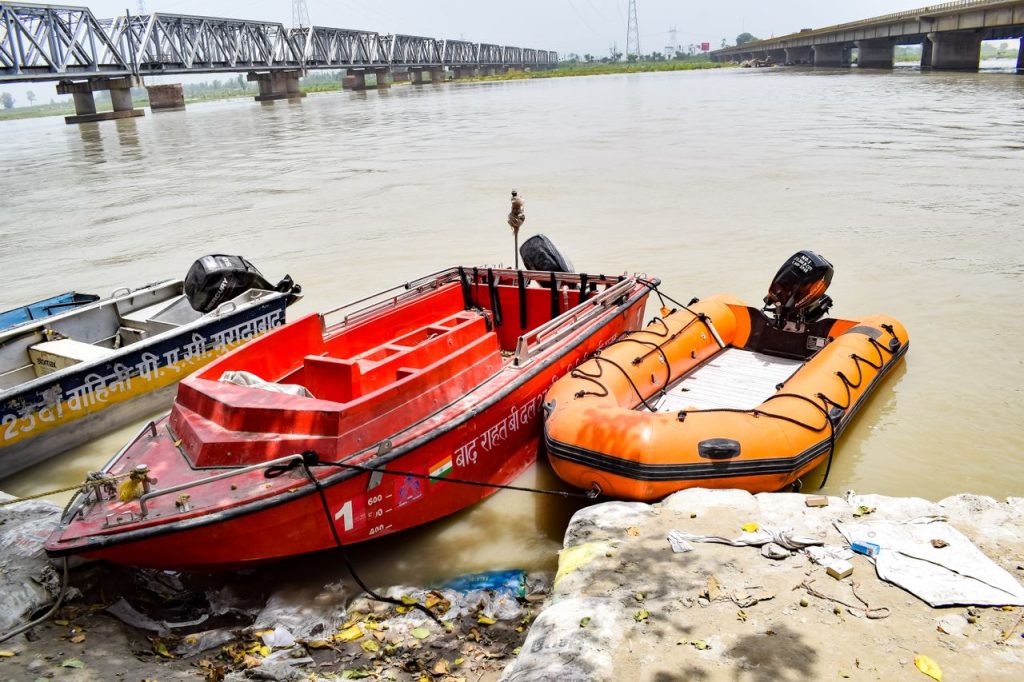
- Boats for waterside locations
- Temporary holding space nearby
Travo.ng can help coordinate vehicle hire, cargo movement and temporary storage when the usual warehouse access route is unavailable.
Temporary Storage Prevents a Second Loss
Recovered stock should not be moved into another damp or poorly prepared location. Before transporting goods, confirm that the temporary facility is dry, secure and suitable for the products.
Electronics and documents may need a controlled environment. Clothing and packaged goods require ventilation and clean shelving. Food items may need cold storage or urgent inspection before they can be redistributed.
The temporary warehouse should also have enough space to keep affected stock separate from undamaged inventory. Mixing both groups can create confusion during counting and quality checks.
What Flooded Warehouse Recovery May Cost
Recovery costs depend on the volume of goods, flood depth, vehicle requirements, labour, equipment and distance to the temporary facility.
A small warehouse with accessible stock may only require labour and a few van trips. A large facility with collapsed cartons, damaged pallets and blocked access may need trucks, forklifts, pumps, additional handlers and several days of coordinated movement.
Costs may increase when work is required at night, during continued rainfall or on roads that need specialised vehicles.
Businesses should request an itemised quotation covering transport, handling, equipment, storage and waste removal rather than accepting one unclear total.
Mistakes That Increase Warehouse Losses
Waiting for the water to disappear before starting recovery can allow mould, rust and contamination to spread.
Another mistake is moving goods without documenting their original condition. This makes it difficult to identify what was damaged by the flood and what was damaged during handling.
Businesses should also avoid overloading vehicles in an attempt to reduce trips. Wet cartons and pallets can be heavier than expected, creating safety risks and damaging the delivery vehicle.
Arrange Flooded Warehouse Recovery With Travo.ng
Reliable flooded warehouse recovery Lagos services require more than removing wet cartons. Businesses may need emergency transport, cargo handling, temporary storage, equipment movement and waste collection working together.
Travo.ng helps companies coordinate vehicles, warehouse transfers, delivery support and emergency logistics across Lagos. The team can help plan movement from the flooded site to a safer storage location while considering access conditions and the type of goods involved.
A structured recovery plan helps reduce downtime, protect salvageable stock and get business operations moving again as quickly as conditions allow.
