


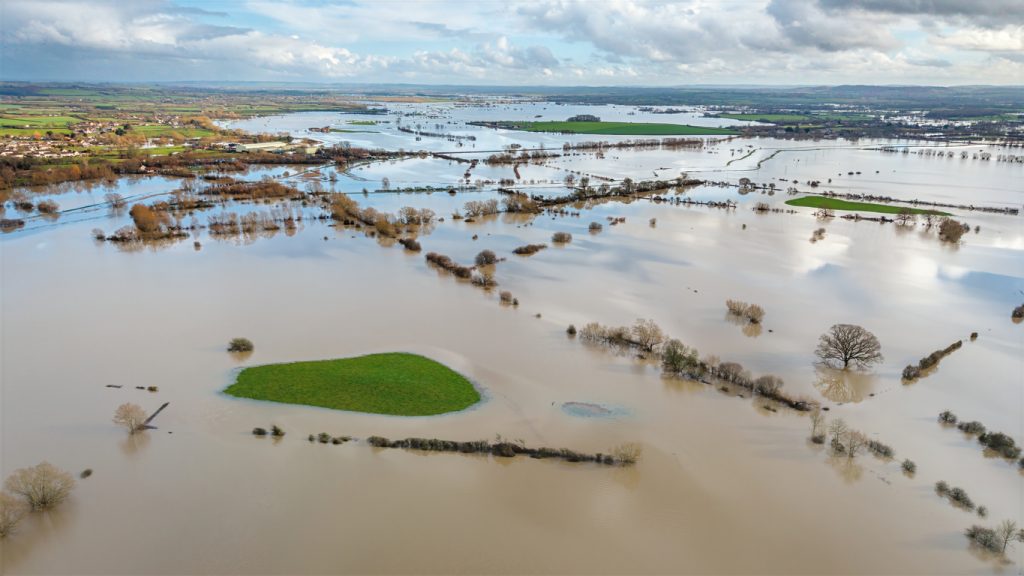
When floodwater enters a home, the first few hours can affect how much property is saved and how difficult the cleanup becomes. Furniture, appliances, documents, clothing and building materials can deteriorate quickly, especially when dirty water remains indoors.
Professional flooded home recovery Lagos support helps residents organise urgent removal, cleanup logistics and temporary relocation without relying on rushed decisions. The process may involve moving valuables, arranging suitable vehicles, transporting damaged items and delivering cleanup equipment to the property.
In flood-prone parts of Lagos such as Lekki, Ajah, Ikorodu, Agege, Surulere and some mainland communities, recovery plans should also account for blocked roads and changing water levels.
Make Sure Everyone Is Safe Before Moving Property
Do not enter a flooded building until it is reasonably safe. Floodwater may hide sharp objects, open drains, unstable flooring or exposed electrical wiring.
Where possible, switch off the electricity from a dry and secure location. Do not touch sockets, appliances or extension cables while standing in water. Children and elderly residents should be moved away from the affected area before recovery work begins.
Take photographs and videos of each room before removing items. These records may be useful for insurance claims, landlord discussions or documenting the condition of rented property.
Remove Items That Can Still Be Saved
The first items to move should be those most likely to suffer permanent damage. Important documents, medications, electronics and valuable clothing should be taken to a dry location as soon as possible.
Recovery teams may prioritise:
- Passports and certificates
- Laptops, phones and small electronics
- Mattresses and upholstered furniture
- Clothing and personal belongings
- Food and household supplies
- Business records and inventory
- Small generators and electrical equipment
Wet items should not be packed together with dry ones. Use waterproof bags, plastic containers or clearly labelled cartons to separate salvageable property from damaged materials.
Travo.ng can help arrange vehicles, emergency pickups and temporary storage when residents need to move items out quickly.
The Right Vehicle Depends on the Street Condition
A standard car may not be suitable for accessing a flooded neighbourhood. Before booking transport, send recent photos or videos of the street and compound entrance.
If the water is shallow and the road surface is still visible, a suitable van or pickup may be able to reach the property. When the road is deeply flooded, items may need to be moved by boat to a dry collection point before being loaded onto a vehicle.
This type of combined movement is often necessary where the main road is accessible but inner streets are submerged. The boat, truck and receiving location must be coordinated carefully so recovered property is not left exposed while waiting for the next stage.
What to Do With Water-Damaged Furniture
Not every wet item needs to be discarded immediately. Plastic, metal and solid wood furniture may be cleaned and dried if the damage is limited. Sofas, mattresses and padded chairs are harder to recover because they absorb contaminated water.
Keep damaged items away from clean belongings. If they must be transported for disposal, tell the driver what is being carried so the correct vehicle can be provided.
Large appliances such as refrigerators, washing machines and freezers should be handled carefully. Do not reconnect them to electricity until they have been checked and dried properly.
For bulky items, confirm whether the pickup requires extra labour, a trolley or lifting equipment.
Arrange Temporary Storage Before Cleanup Starts
Some homes cannot be cleaned properly while furniture and household goods remain inside. Temporary storage creates working space and protects saved items from further water exposure.
Choose a dry and secure facility that is accessible from the recovery location. Before storing anything, confirm that wet items have been separated and that boxes are properly labelled.
Keep frequently needed belongings, including clothing, toiletries and documents, in a separate group. This prevents unnecessary trips to the storage facility while the property is being restored.
Residents who cannot return home immediately may also need hotel reservations, short-term accommodation or transport to stay with relatives elsewhere in Lagos.
Avoid These Common Recovery Mistakes
One major mistake is waiting several days before removing standing water and wet belongings. Mould, odour and structural damage can become harder to control over time.
Other mistakes include:
- Entering the home before checking electrical risks
- Using unsuitable vehicles on flooded roads
- Throwing away items before documenting the damage
- Mixing clean property with contaminated belongings
- Booking transport without confirming the item sizes
- Leaving recovered goods outdoors or unattended
- Moving appliances without proper lifting support
Clear communication between residents, drivers, boat operators and cleanup workers reduces delays and prevents additional damage.
Book Flooded Home Recovery Support With Travo.ng
Effective flooded home recovery Lagos assistance involves more than cleaning water from the floor. Residents may need emergency transport, item removal, temporary storage, boat access, hotel booking and delivery of recovery supplies.
Travo.ng helps coordinate these practical services across Lagos. Whether the property is accessible by road or requires combined boat and vehicle transport, the recovery movement can be planned around current conditions.
Acting early, protecting important belongings and using the right transport support can make the recovery process safer and more manageable.
