


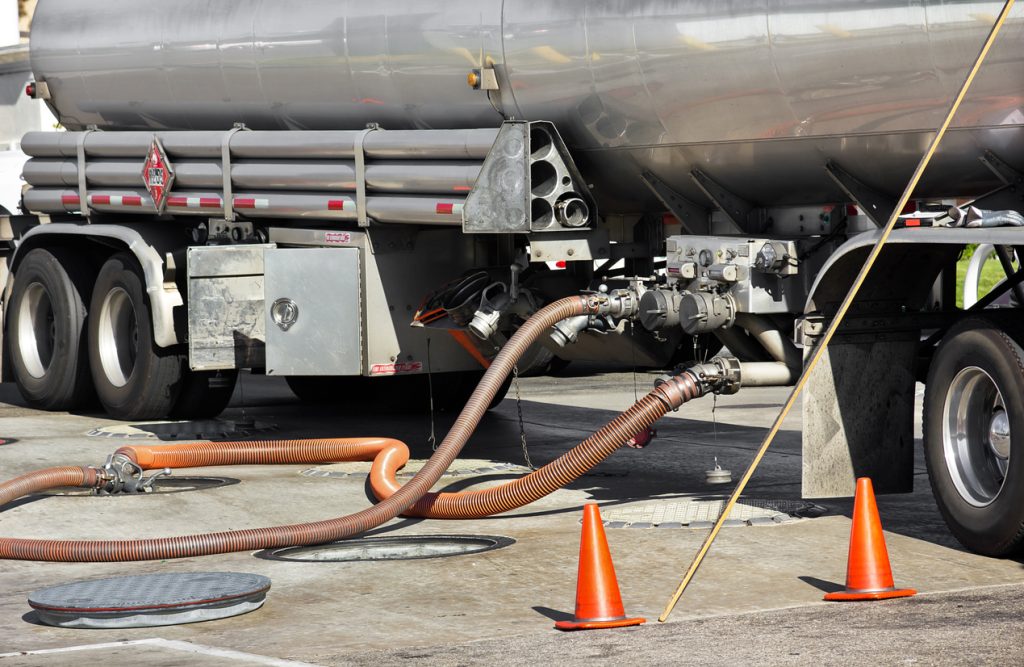
Getting fuel to waterfront properties, vessels and worksites in Lagos is not always possible by road. Some locations around Tarkwa Bay, Ilashe, Makoko and parts of the Lagos Lagoon can only be reached efficiently by water. Even where road access exists, traffic, flooding or poor loading access may make marine delivery the more practical option.
A properly coordinated fuel delivery by boat Lagos service helps businesses move diesel and other approved petroleum products to suitable waterside destinations. The process requires more than loading containers onto any available boat. The quantity, packaging, vessel capacity, landing point and safety procedures must all be considered before departure.
Travo.ng can help customers coordinate marine transport, pickup vehicles and delivery logistics for legitimate fuel supply requirements.
Which Lagos Locations May Need Marine Fuel Delivery
Boat-based delivery is commonly needed where operations take place on or close to the water.
Typical customers may include:
- Waterfront hotels and private properties
- Construction projects near the lagoon
- Dredging and marine engineering sites
- Fishing and passenger boat operators
- Island resorts and event venues
- Barges and approved commercial vessels
- Communities with limited road access
For example, a waterfront facility near Tarkwa Bay may require diesel for generators, water pumps or maintenance equipment. Carrying the supply entirely by road would not complete the journey, so the final stage must be handled by a suitable boat.
Some deliveries may involve road transport from a supplier to a jetty in Apapa, Victoria Island, Ikoyi or another accessible loading point before the fuel is transferred for the water journey.
What Determines the Right Boat and Delivery Plan
The quantity being transported has a major effect on the type of vessel required. A small operational supply cannot be handled in the same way as a large commercial delivery.
Before arranging the trip, the coordinator should know:
- The type of fuel being transported
- The exact quantity required
- The approved container or tank arrangement
- The pickup and destination locations
- The condition of the loading and unloading points
- The requested delivery date and time
- Whether the receiving party has suitable handling equipment
The boat must have enough capacity for the load without being overcrowded or unbalanced. Fuel should never be placed beside passengers, food items or unrelated cargo that could be damaged by leakage or fumes.
Jetty Access Can Cause Unexpected Delays
Customers often focus on the water journey but overlook the loading point. A delivery can be delayed if the road vehicle cannot reach the jetty, the fuel arrives late or the boat has nowhere safe to berth.
Busy loading areas may also require prior access approval. Some private jetties and waterfront facilities restrict entry, especially for commercial deliveries.
The receiving party should confirm:
- The exact jetty or landing point
- Available loading hours
- Security and access instructions
- Whether the boat can berth safely
- Who will receive and verify the quantity
- Whether pumps or transfer equipment are available
Clear coordination between the supplier, driver, boat operator and customer helps prevent waiting time and repeated trips.
Safety Must Come Before Delivery Speed
Fuel is hazardous cargo and must be handled with care. It should only be transported in suitable, properly sealed containers or approved tanks. Improvised packaging increases the risk of leakage, fire, contamination and environmental damage.
Smoking, open flames and unsafe electrical equipment must be kept away from the loading area. The boat should carry appropriate safety equipment, and the operator must understand the route and emergency procedures.
Weather conditions also matter. Strong winds, poor visibility and rough water can make a delivery unsafe, even when the customer urgently needs fuel. Rescheduling may be necessary where conditions create an unacceptable risk.
Passengers should not travel on the same boat unless the arrangement complies with applicable safety requirements and the vessel is designed for that purpose.
How Businesses Can Avoid Running Out of Fuel
Emergency requests are usually more difficult and expensive to coordinate. Businesses that depend on generators, marine engines or construction equipment should monitor consumption and arrange supplies before stock reaches a critical level.
Keep a basic record showing:
- Average daily fuel usage
- Current stock level
- Expected delivery lead time
- Busy operational periods
- Weather or access conditions that may cause delays
A hotel or worksite that consumes a predictable quantity each week can schedule deliveries ahead of time instead of waiting until operations are about to stop.
Where possible, avoid planning delivery during heavy rain, late at night or at the busiest periods around the selected jetty.
What Can Affect the Cost of Boat Fuel Delivery
The final price depends on the quantity, pickup point, water distance, vessel size and level of coordination required.
Costs may be higher when the trip involves:
- Long distances across the lagoon
- Difficult or shallow landing areas
- Multiple delivery stops
- Late-night or emergency movement
- Specialised handling equipment
- Road transport before the marine journey
- Waiting time at the supplier or jetty
Providing complete information at the quotation stage makes pricing more accurate. A customer requesting delivery to “an island in Lagos” should give the specific location, nearest jetty and preferred receiving time.
Coordinate Fuel Delivery by Boat With Travo.ng
Reliable fuel delivery by boat Lagos requires careful planning from the supplier’s location to the final waterside destination. The road pickup, jetty transfer, boat capacity and receiving arrangements must work together.
Travo.ng helps businesses and individuals coordinate boat transport, cargo movement, vehicle hire and last-mile delivery for suitable waterfront operations. The service can be planned around the actual quantity, route and site access requirements rather than using a one-size-fits-all approach.
With early booking, approved handling procedures and clear communication, fuel can reach Lagos waterfront locations more safely and with fewer operational delays.
