


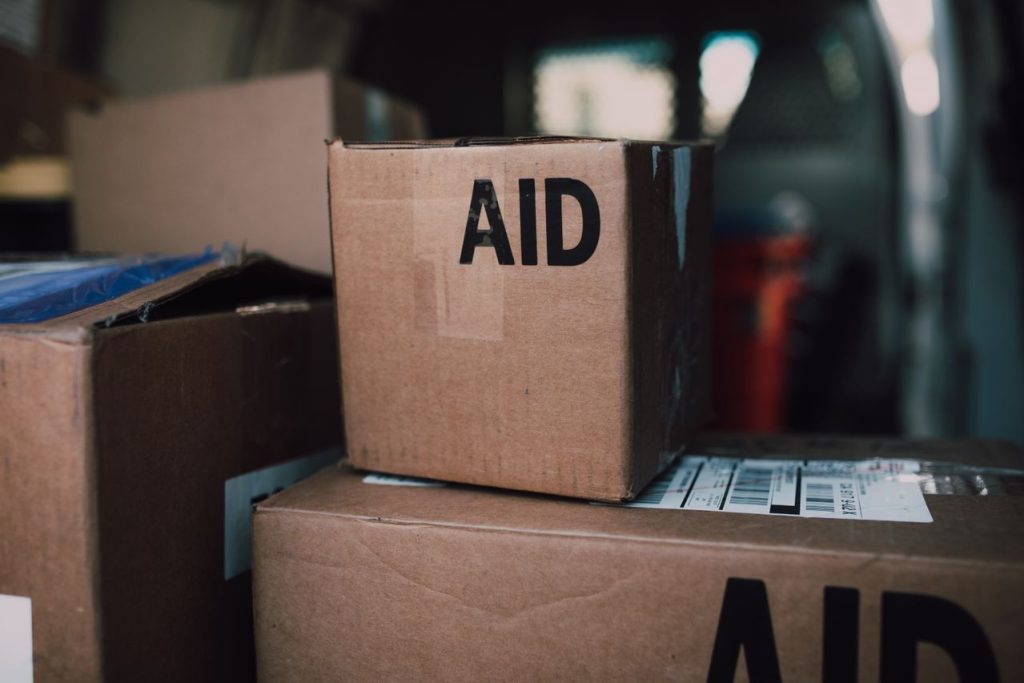
Delivering relief items during floods, displacement, disease outbreaks or community emergencies is rarely as simple as loading a truck and sending it to the affected area. Roads may be blocked, warehouses may be far from the distribution point, and local demand can change before supplies arrive.
A dependable humanitarian supply chain in Nigeria connects procurement, storage, transportation and last-mile delivery so essential items reach the right people without unnecessary delay or waste.
For NGOs, government agencies, religious organisations and community groups, the quality of logistics planning often determines whether relief efforts are timely, organised and accountable.
Relief Planning Should Start Before Goods Are Purchased
One common mistake is buying large quantities of food, water or medical supplies before confirming how they will be stored and transported.
Rice, beans, bottled water, mattresses, hygiene products and medicines all require different handling arrangements. Some goods can remain in a dry warehouse for weeks, while temperature-sensitive items may need cold storage and faster delivery.
Before procurement begins, the operations team should confirm:
- The number of expected beneficiaries
- The type and quantity of relief items required
- Available warehouse space
- Vehicle access to the affected location
- Packaging and loading requirements
- Distribution dates and local contacts
- Alternative routes if the main road becomes inaccessible
This prevents supplies from arriving at a collection centre with no suitable storage or transport available.
Moving Supplies Across Difficult Nigerian Routes
Humanitarian deliveries often travel through areas where transport conditions are unpredictable. A truck leaving Lagos for Benue, Borno or Taraba may face road damage, security checkpoints, fuel shortages or long delays around major towns.
During the rainy season, communities in parts of Bayelsa, Rivers, Kogi and Anambra may become difficult to reach by road. In such cases, the journey may require trucks for the first stage, smaller vehicles for local roads and boats for the final movement.
Travo.ng can support these operations through cargo transport, vehicle hire, boat movement and coordinated last-mile delivery.
Route planning should consider vehicle size carefully. A large truck may be economical for interstate movement but unable to enter a narrow village road or flooded settlement. Transferring goods to vans, pickups or boats may be necessary before final distribution.
Warehousing Helps Prevent Waste and Confusion
Temporary storage is often required when relief items arrive before distribution can begin. Without proper organisation, cartons may be mixed up, damaged by water or released without accurate records.
A practical humanitarian warehouse should have:
- A dry and secure loading area
- Clear sections for different categories of goods
- Stock records showing items received and dispatched
- Pallets or raised platforms to keep goods off the floor
- Controlled access for authorised staff
- Pest control and basic fire-safety equipment
Items should also be labelled by type, quantity and destination. Medical supplies, food products and hygiene kits should not be placed together without proper separation.
For larger projects, stock should be counted at arrival, during repacking and again before dispatch.
Last-Mile Distribution Is Often the Hardest Stage
Relief materials may reach a state capital successfully but still fail to reach the intended communities. The final stage can involve poor roads, incorrect addresses, overcrowded distribution points and limited communication.
Local representatives should confirm the condition of access routes before vehicles are dispatched. They should also provide clear landmarks, contact numbers and information about where unloading can take place safely.
Distribution schedules should avoid creating unnecessary crowding. Where possible, beneficiaries can be grouped by community, household number or collection time.
Smaller delivery runs may cost more than one large drop, but they can reduce congestion and make stock control easier.
Emergency Supply Costs Depend on More Than Distance
The cost of relief logistics is influenced by vehicle type, cargo volume, loading labour, storage duration and road conditions.
A delivery from Abuja to Lokoja may appear straightforward, but costs can increase if goods require overnight storage, repacking or transfer into smaller vehicles. Boat transport, security support and urgent weekend movement may also affect the final quotation.
Organisations should request a full operational breakdown rather than comparing only the basic transport charge.
The cheapest option may become more expensive if it causes delays, damaged goods or repeated trips.
Coordinate Humanitarian Logistics With Travo.ng
An effective humanitarian supply chain in Nigeria depends on planning each stage as one connected operation. Procurement decisions should match available storage, vehicle capacity, road access and the final distribution method.
Travo.ng helps organisations coordinate cargo transport, warehousing, vehicle hire, emergency deliveries, boat movement and accommodation for field teams where required.
By arranging these services around the realities of each location, relief organisations can reduce waste, improve accountability and deliver essential supplies to affected communities more efficiently.
